REVIEW · SIENA
Siena: Traditional Tuscan Cooking Class with Fresh Pasta
Book on GetYourGuide →Operated by Scuola di cucina di Lella · Bookable on GetYourGuide
Cooking gets real in Siena’s kitchen. You’ll learn traditional Tuscan dishes and make fresh pasta by hand, using local ingredients as much as possible. I love that the class is built around doing, not watching, and you finish by sitting down to eat what you cooked. One thing to plan for: it’s filling work, so go in with an empty-ish stomach.
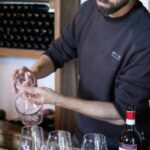
Chef Francesco teaches you the rhythms of the menu, from mixing and shaping to sauce and timing. Expect a mix of chef-led prep and hands-on guidance, plus explanations in both English and Italian. If you’re coming with kids under 7, this one isn’t set up for them.
In This Review
- Key things I’d put on your radar
- A Traditional Tuscan Cooking Class Where You Actually Cook
- What the 3.5 Hours Includes (And Why It’s Worth It)
- Fresh Pasta by Hand: The Skill You’ll Remember
- From Sauce to Serving: Making It Taste Like Tuscany
- The Menu Beyond Pasta: Starter, Soup, Meat, and Dessert
- Starter and soup
- Meat and side dish
- Dessert
- Local Ingredients and the Value of Eating What You Cook
- Language Support: English and Italian That Actually Helps
- Dietary Needs: Gluten-Free and Vegetarian Substitutions
- Group Size and the Hands-On Feeling
- Where to Meet in Siena (And How to Not Stress About It)
- Price and Value: What You’re Paying For
- Who This Cooking Class Suits Best
- Should You Book This Siena Cooking Class?
- FAQ
- What dishes will I learn and cook?
- Do I eat the food I prepare?
- Is wine included?
- How long is the experience?
- Are gluten-free and vegetarian options available?
- What languages are used during the lesson?
- Is pickup or drop-off included?
- Where do I meet for the class?
- Is it suitable for children?
Key things I’d put on your radar
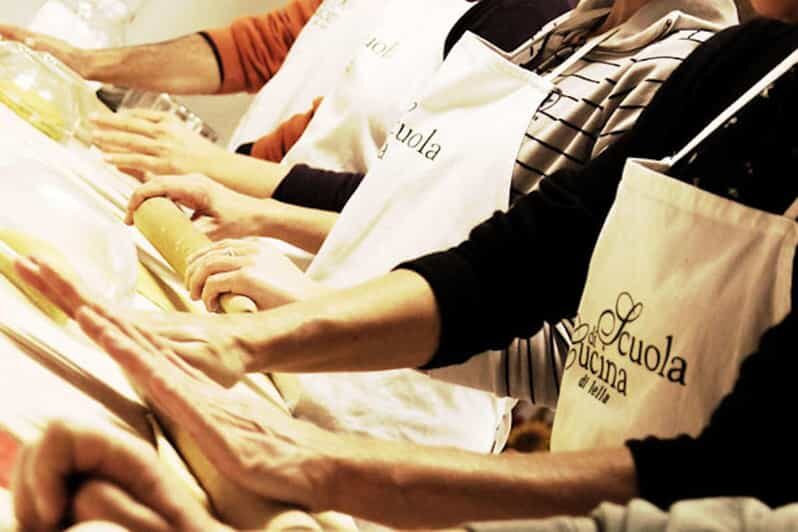
- Chef Francesco’s hands-on teaching, with lots of encouragement while you learn pasta technique
- Fresh pasta by hand, including shaping traditions like pici-style rolling
- A full meal you eat at the end, with local red wine at your table
- Local sourcing focus, so the flavors feel like they belong to Tuscany
- Dietary substitutions available, including gluten-free and vegetarian options
A Traditional Tuscan Cooking Class Where You Actually Cook
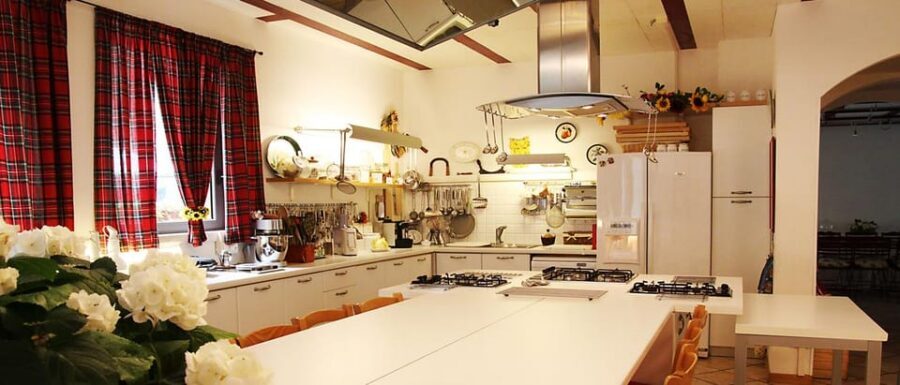
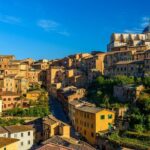
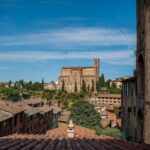
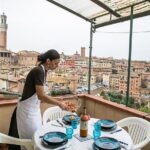
Siena is perfect for food-focused travel: markets, old stone streets, and that slow pace that makes meals feel like part of the day, not a stop on a checklist. This class at Scuola di cucina di Lella turns that vibe into something you can take home in your hands.
You’ll spend 3.5 hours learning a multi-course Tuscan menu. The core idea is simple: you’ll prep, roll, assemble, and cook, then you’ll sit down for dinner with what you made. That “learn it, then eat it” structure matters, because you’re not just collecting tips. You’re building muscle memory.
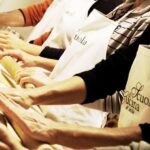
The best part for me is the balance between guidance and freedom. You get chef leadership from Francesco, but you also get your own turns—especially when it comes to fresh pasta.
Other Tuscan cooking classes we've reviewed in Siena
What the 3.5 Hours Includes (And Why It’s Worth It)
This isn’t a quick tasting class where you sample tiny bites and go home. You’ll be working through a menu that covers the big categories of an Italian meal: a starter, soup, fresh pasta with sauce, a meat course with a side, and dessert.
Here’s what that tends to feel like in practice:
- Starter and soup: These set up the meal and teach you how Tuscan cooking builds flavor. You’ll see the chef’s approach, then help with parts of the prep.
- Fresh pasta course: This is the heart of the experience. You’ll learn to make fresh pasta and then connect it to a sauce so it all tastes like a finished dish, not separate skills.
- Meat and side dish: This is where the class shifts from dough skills to savory cooking—learning timing and how ingredients come together on the plate.
- Dessert: You’ll finish with something sweet, which is a nice counterbalance to the salt-and-fat comfort of the main courses.
Important detail: a big chunk of the cooking may be chef-led. That doesn’t make it passive; it makes it realistic. In a group lesson, the chef handles steps that need precision or speed, while you jump in on the parts where you learn by doing.
Fresh Pasta by Hand: The Skill You’ll Remember
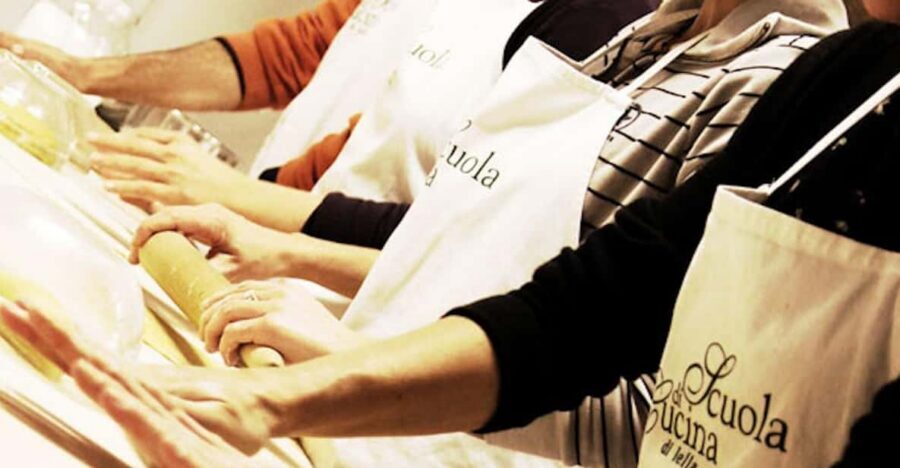
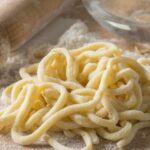
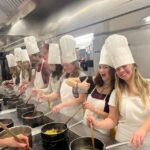
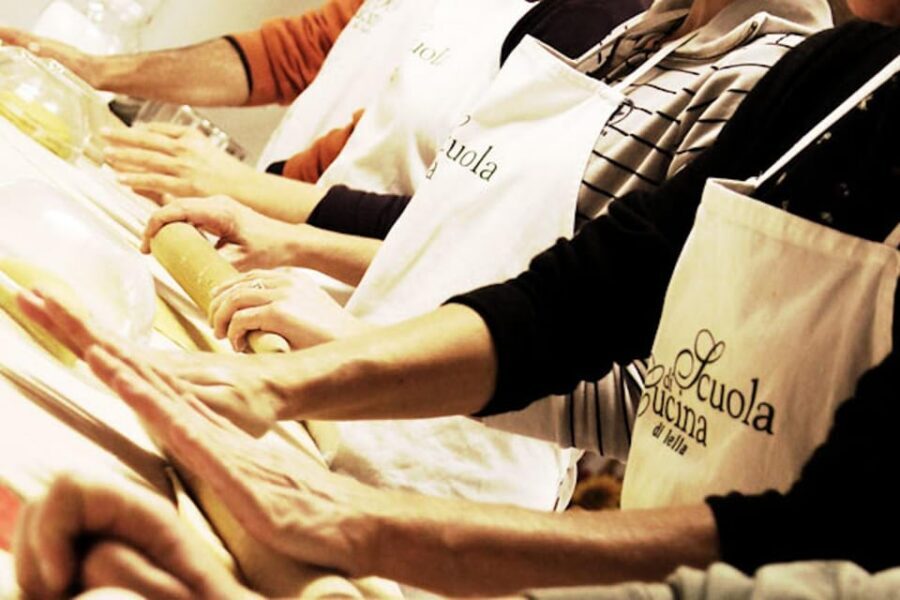
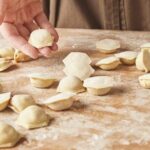
If fresh pasta is the reason you came, you picked well. This class is centered on making fresh pasta by hand, with everyone getting a chance to work at the dough.
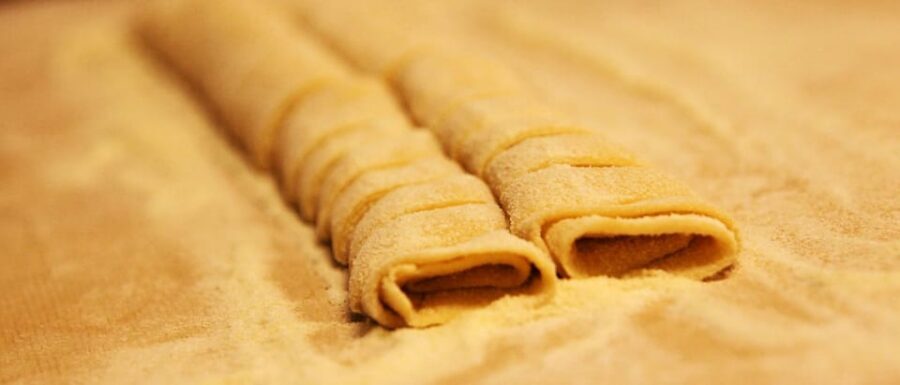
The teaching style matters here. You’ll watch chef Francesco prepare and explain. Then, you’ll have your own turn shaping pasta, with support so your technique improves as you go. In at least one recent class described by participants, the group practiced rolling pici—the hand-rolled Tuscan pasta known for its chewy texture and rustic look. That kind of detail is exactly what you want from a traditional class: you’re not just learning a generic pasta shape.
Practical tip for the day: don’t overeat beforehand. The meal is substantial, and the lesson includes cooking up a full spread. If you show up stuffed, you’ll miss the experience.
From Sauce to Serving: Making It Taste Like Tuscany
Pasta isn’t just dough. The “there’s food at the end” part is where most cooking classes win or lose, and this one is designed for a real dinner.
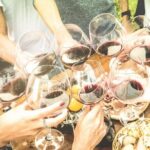
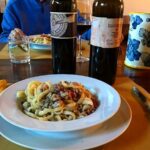
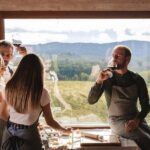
After you make the pasta, you’ll work with sauce and meal components so everything lands together at the table. You’ll set up the table and then enjoy dinner with local Tuscan red wine. That wine pairing isn’t about fancy theater—it’s about keeping the meal experience cohesive, like you’re eating in the region rather than treating food like a lesson prop.
One smart thing to know: in this type of class, timing is everything. Some steps finish faster than others. You’ll see how the kitchen manages that, which helps you understand how to plan cooking at home later.
The Menu Beyond Pasta: Starter, Soup, Meat, and Dessert
Tuscan cooking often feels simple, but it’s not careless. The dishes are built on technique and ingredient quality, and that shows up across the whole menu.
Other cooking classes in Siena
Starter and soup
These early courses help you understand how flavor is built. You’ll learn what goes together, and why Tuscan kitchens rely on fresh ingredients and balanced seasoning rather than heavy tricks.
Meat and side dish
The meat course plus a side teaches you how the meal “lands” on the plate. It’s not just cooking meat; it’s cooking it with the right companions—so the meal feels complete.
Dessert
Ending with dessert keeps the experience honest. You’ll learn a sweet finish that fits the structure of the full Tuscan meal rather than a separate, random cookie-style finale.
Local Ingredients and the Value of Eating What You Cook
The class leans hard into local sourcing. Ingredients are chosen to be as local as possible, and they’re fresh. That matters more than people expect. When you cook with ingredients that taste like they’re supposed to taste, you learn what the dish is truly aiming for.
Then there’s the payoff: you eat what you prepared. That’s the simplest way to understand whether your dough worked, whether your sauce matched, and whether your timing actually produced the texture and taste you hoped for.
This is also where value shows up. You’re paying for a full meal experience plus instruction, not just an activity. At $147.27 per person for about 3.5 hours, the math gets easier when you realize the price includes dinner and wine, plus recipe handouts in English.
Language Support: English and Italian That Actually Helps
You’ll have instruction in both English and Italian. Chef Francesco prepares and helps with the recipes, and the explanation is shared across languages so you can follow what matters while you’re working with your hands.
This dual-language setup is a practical win. You don’t need Italian to understand cooking steps, but you still get real local context. If you enjoy picking up a few food terms along the way, this kind of class is an easy place to learn without turning it into homework.
Dietary Needs: Gluten-Free and Vegetarian Substitutions
If you need dietary accommodations, this class is set up to help. There are substitutions available for gluten-free and for vegetarians. That’s important because pasta and flour-based items can get tricky in classes.
If you’re deciding whether to book, plan on telling them your needs in advance so your meal follows your diet properly. The lesson is still a shared experience, but you shouldn’t have to sit out the best parts.
Group Size and the Hands-On Feeling
You’ll likely be in a small group. Participants have described classes that felt intimate and gave everyone enough time to practice. That’s exactly what you want for pasta work. Rolling dough and learning shapes needs elbow room and attention, not a crowded kitchen where you only watch.
Even when the chef handles key steps, the class keeps everyone involved through hands-on prep and pasta shaping.
Where to Meet in Siena (And How to Not Stress About It)
This course is at Scuola di cucina di Lella in Tuscany. To get there, follow the signs for Scuola di cucina di Lella. The school is on the ground floor, and the activity is wheelchair accessible.
There’s no pickup or drop-off included, so plan on getting yourself to the meeting point and returning there afterward. That’s normal for classes, but it helps to factor it into your Siena day so you don’t run from one side of town to the other.
Price and Value: What You’re Paying For
At $147.27 per person, you’re paying for three things at once:
- Professional instruction from a local expert chef (Francesco) plus support staff
- Food you make and eat, including a full multi-course dinner
- Wine included with your meal, along with take-home recipes in English
If you’ve done cooking classes elsewhere, you know the real question isn’t whether it’s expensive or cheap. The real question is whether the class feels like a meal experience plus real teaching.
Here, it does. You leave with dinner, instructions you can use later, and pasta knowledge that’s hard to learn from a cookbook alone.
Who This Cooking Class Suits Best
This is a great fit if you:
- Want a traditional Tuscan meal experience tied to real technique
- Enjoy hands-on learning (especially fresh pasta)
- Like structured lessons that end with you eating what you cooked
- Need dietary flexibility (gluten-free or vegetarian options)
It may be less ideal if you:
- Prefer a lighter, shorter food walk rather than a hands-on cooking session
- Want zero mess and zero kitchen time (this is cooking, not just tasting)
Should You Book This Siena Cooking Class?
Yes, if you want an authentic Tuscan food experience where you actually cook and then eat your results. The combination of fresh pasta by hand, a full multi-course meal, and English recipe handouts makes it more useful than a typical demo class. Add in local sourcing and the fact that wine is included at dinner, and the value becomes clearer fast.
Before you book, do two things: plan to eat lightly beforehand, and make sure you’re comfortable doing real cooking work for 3.5 hours. If that sounds like your kind of travel day, you’ll leave Siena with skills and flavors you can recreate.
FAQ
What dishes will I learn and cook?
The class includes preparing a starter, soup, fresh pasta with sauce, a meat and side dish, and dessert.
Do I eat the food I prepare?
Yes. After the preparation, the table is set and dinner is served with what you cooked.
Is wine included?
Yes. Local red Tuscan wine is included with the meal.
How long is the experience?
It lasts about 3.5 hours.
Are gluten-free and vegetarian options available?
Yes. Substitutions are available for gluten-free guests and for vegetarians.
What languages are used during the lesson?
Instruction is available in English and Italian.
Is pickup or drop-off included?
No. Pickup and drop-off are not included.
Where do I meet for the class?
You should follow the signs for Scuola di cucina di Lella.
Is it suitable for children?
It is not suitable for children under 7 years.