REVIEW · SIENA
Cesarine: Typical Dining & Cooking Demo at Local’s Home in Siena
Book on Viator →Operated by Cesarine: Cooking Class · Bookable on Viator
Dinner in a stranger’s kitchen sounds risky.
In Siena, this turns into a warm lesson in authentic Sienese recipes and hands-on pasta, with everyone eating what you make. The only real catch is that it’s not a sightseeing stop-you-into-every-square evening; you’ll spend most of the 2.5 hours around your host’s table and kitchen.
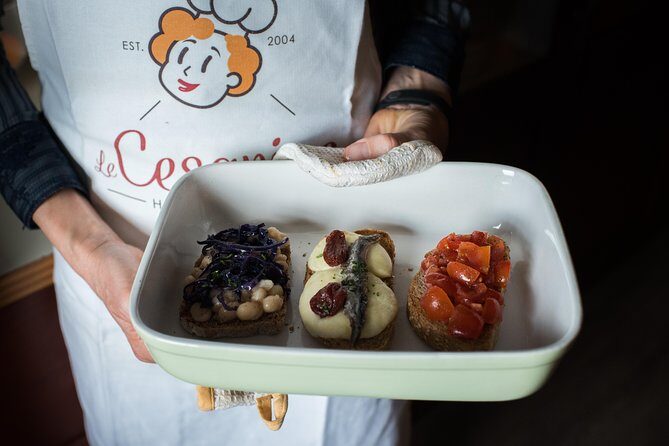
What I like most is the full-course payoff and the intimacy. You get an appetizer, fresh pasta, a second main with a side, and dessert, plus drinking water, a selection of wines, and coffee. One more consideration: since it’s a home setting with a maximum of 10 people, you’ll want to enjoy small talk and being part of the flow, not just watching from a safe distance.
In This Review
- Key highlights to know before you go
- A Siena Home Dinner Where the Group Size Matters
- What You’ll Cook and Eat: The Menu in Real Sienese Style
- The 2.5 Hours: How the Evening Tends to Flow
- Meeting Your Host: Warm Italian Teaching, Not a Script
- Price and Value: Why $155.33 Can Make Sense in Siena
- Who This Is Best For (and Who Might Prefer Something Else)
- Practical Tips to Get the Most From Your Night
- Should You Book Cesarine Cooking in Siena?
- FAQ
- How long is the Cesarine cooking and dining experience in Siena?
- What is included in the price?
- Is it a small group?
- What language is the experience offered in?
- Where does the experience start and end?
- Is free cancellation available?
Key highlights to know before you go
- A complete meal is included, not a few bites or snacks
- Fresh pasta practice using classic shapes like pappardelle, pici, or gnudi
- Real family-style Sienese dishes for the second course and dessert
- Wine, water, and coffee are part of the experience
- Maximum 10 travelers, so you get attention and technique help
- Hosts with strong teaching energy (you may be guided by Enza, Patricia, Barbara, or Patrizia)
A Siena Home Dinner Where the Group Size Matters
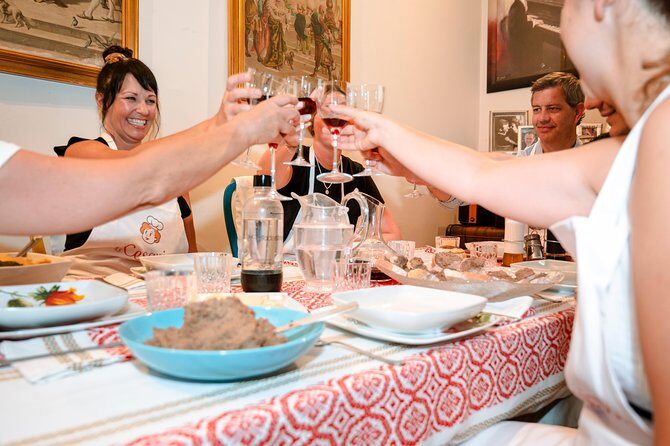
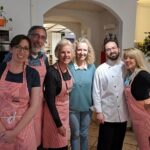
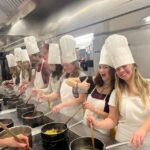
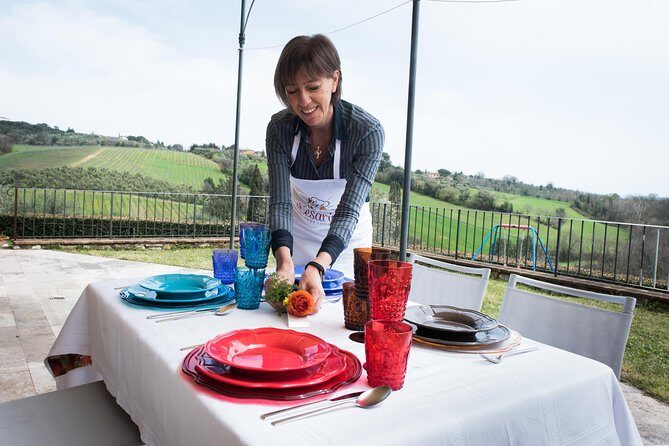
The setting is the big difference. This isn’t a big restaurant show with you parked in your seat while someone else does the work. You’re in an instructor’s home, and the group stays small—up to 10 people. That changes the whole feel.
With a smaller group, questions don’t get lost. When your pasta dough needs a different touch, you’re not waiting your turn for a brief glance. You also get more back-and-forth about how Italians actually cook at home: by feel, by timing, and with plenty of eating while the next thing is finishing.
The home environment also makes the hospitality feel more personal. In the reviews, hosts like Enza and Patricia are praised for their warmth, teaching, and the way they make people comfortable. Another review specifically mentions a family setup and even interpretation support with the host’s family members involved, which hints at how this is run like an actual household evening—not a staged performance.
Other Tuscan cooking classes we've reviewed in Siena

What You’ll Cook and Eat: The Menu in Real Sienese Style
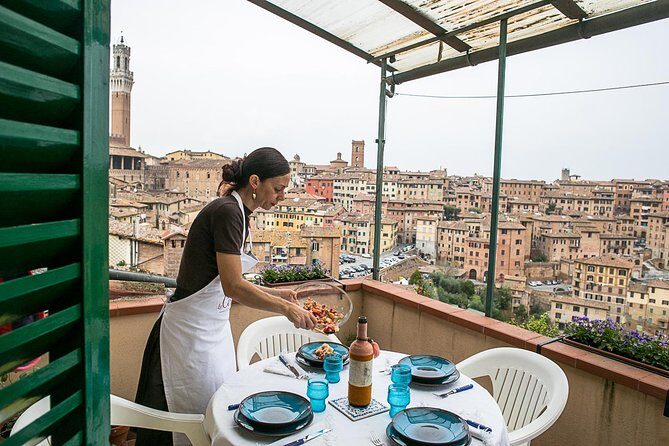
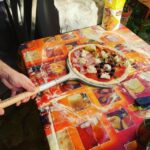
You should go in expecting a full meal with clear course progression. The experience includes:
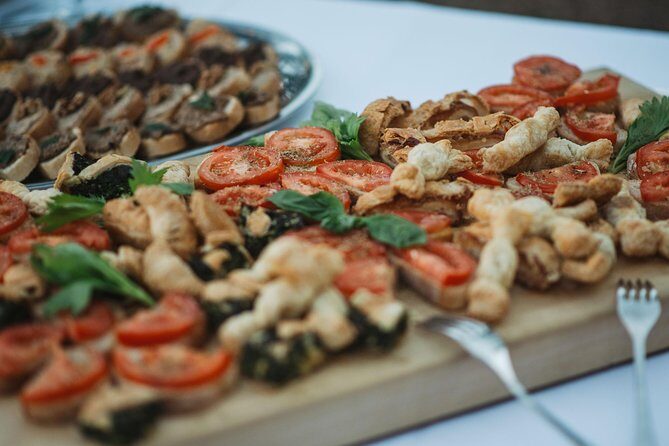
- Starter: seasonal starter
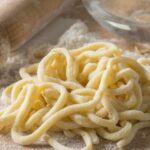
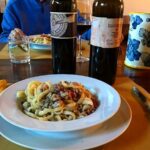
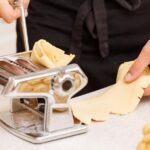
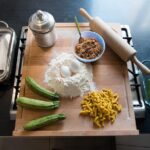
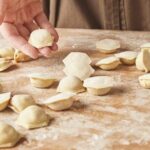
- Main (pasta): fresh pasta, with example options like pappardelle, pici, or gnudi
- Second course (second main): options like panzanella, acciughe sotto pesto, or selvaggina in dolceforte
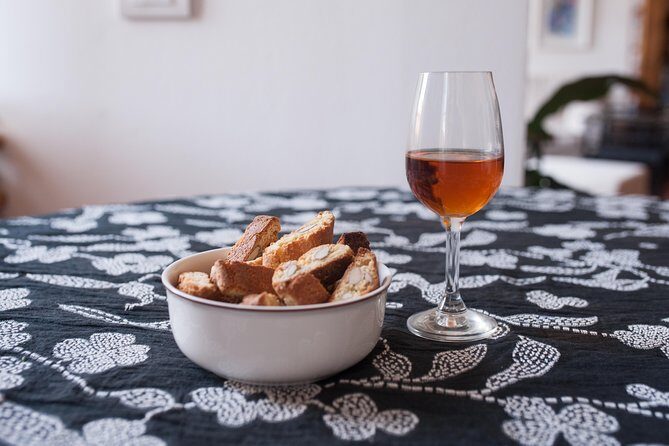
- Dessert: Sienese dessert, with examples such as rice pudding, castagnaccio, cantucci, tiramisu, or similar typical desserts
That mix is smart for your money and for your learning. Pasta gives you the hands-on core skill. Then the second course shows how Sienese cooking balances comfort and local ingredients—things like bread-based panzanella, fish with pesto, or a sweet-sour style preparation (selvaggina in dolceforte is a good example of that “Italian home complexity” that’s hard to replicate on your own on night one).
Dessert matters too. You’re not ending with a generic cake slice. Castagnaccio and cantucci are the kind of Italian classics that feel specific to the region and show up in real routines—served, shared, and eaten slowly enough to talk.
The 2.5 Hours: How the Evening Tends to Flow
You’re looking at about 2 hours 30 minutes. The pace usually works like this:
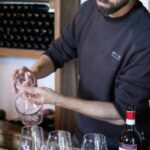
First comes your welcome and the start of the meal. You’ll have drinking water right away, and a selection of wines is included as part of the evening. In practical terms, that means you’re not stuck waiting for food while you sit through a long lecture. You’re fed and taught in parallel.
Then the cooking portion ramps up with the pasta course. If you’re aiming to learn technique—not just “I watched pasta once”—this is where the value really shows. One review called out pici pasta preparation and praises the instruction they received. Another highlights how interested someone got in the host’s pasta technique that they didn’t even think to take a camera out. That’s the right energy for a class like this: you’ll probably forget time exists.
After the pasta work, the meal moves into the second course. The exact dish can vary, but you’ll get a traditional option and a side dish as part of the included meal. This is where you taste how the pasta fits into the broader dinner rhythm.
Finally you land on dessert, with Sienese options like rice pudding, castagnaccio, cantucci, tiramisu, or something comparable. Coffee is provided, so you can close the loop like a proper Italian evening—food first, then a calmer pace for conversation.
A small practical note: since you’re cooking and eating in the same space, you’ll want to keep your attention on the flow. If you like to multitask endlessly with phone videos, it can get distracting. This works best when you treat it like a shared table moment.
Meeting Your Host: Warm Italian Teaching, Not a Script
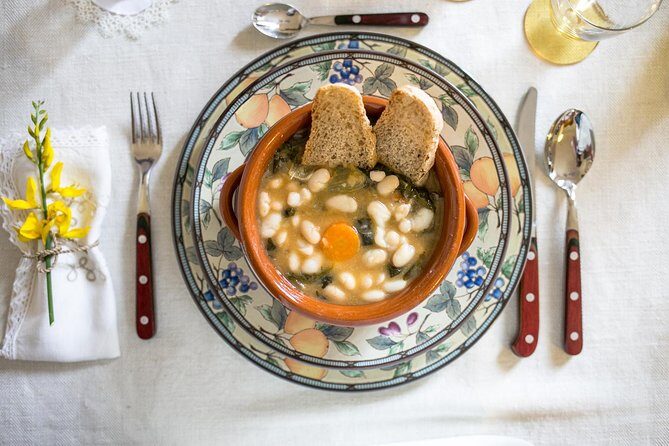
The strongest praise in the reviews is the teaching style and hospitality. People describe hosts as spectacular cooks and teachers, and they repeatedly mention how welcoming and kind the experience feels.
You might meet Enza, Patricia, Barbara, or Patrizia, depending on your session. The names matter because they point to something consistent: this is family-driven hospitality. One review thanks the host and also mentions the host’s husband and a young interpreter, which suggests the teaching may happen with family members stepping in to help explain things and keep the evening running smoothly.
What does that mean for you? It means you should expect:
- clear guidance on the basics of pasta handling and shaping
- a relaxed atmosphere where questions are welcome
- a sense that you’re eating what your host would serve at home
If you’re the type who worries about being in the way, don’t. The reviews lean toward groups being welcomed and guided—one guest mentions a mixed-age group from 10 to 60, which is a good sign that the evening can handle different energy levels.
Price and Value: Why $155.33 Can Make Sense in Siena
At $155.33 per person for about 2 hours 30 minutes, you’re paying for more than a cooking demo. You’re paying for:
- the full meal across courses (starter, pasta, second course with side, dessert)
- drinks included (water, a selection of wines)
- coffee
- instruction in English
- a small group max of 10
If you tried to recreate this with a cooking class that only includes a single dish, or a restaurant meal where you have to order everything separately, the pricing model feels different. Here, you’re essentially buying a guided dinner experience where the menu is built around what you’ll cook.
Also, the fact that it books on average 39 days in advance tells you something: people plan ahead for these home sessions. If you want one of the limited slots, reserve earlier rather than later.
Other cooking classes in Siena
Who This Is Best For (and Who Might Prefer Something Else)
This experience is a great match if you want:
- authentic home-cooked Sienese flavors you can name and repeat later
- hands-on practice with fresh pasta
- a smaller group evening where you can actually talk to the host
- a value-focused dinner where drinks and coffee are part of the price
It also fits families and mixed-age groups. One review describes a group that ranged from ages 10 to 60, and the evening worked well with provided instruction for pasta prep.
On the other hand, if your ideal Italy day is built around walking tours, major landmarks, and frequent photo stops, this may feel too “kitchen and dining” for your tastes. It’s a meal-first experience. You’ll learn by doing, then eat what you made.
Practical Tips to Get the Most From Your Night
A few simple moves can make this feel smoother from minute one:
- Arrive with an open mindset. This is a home dinner with cooking. If you treat it like a museum tour, you’ll miss the point.
- Be ready to get hands-on. The heart of the class is pasta preparation—so expect to work.
- Go light on planning distractions. You’ll want your attention on technique and timing, not on juggling too many tasks at once.
- Plan for the full meal pace. Since starter, pasta, second course, and dessert all come included, you’re committing to an evening meal rhythm rather than a quick snack.
- Use the public transport advantage. The meeting area is near public transportation, which helps if you’re staying in central Siena and want an easy arrival.
If you’re going with a group, agree on one thing beforehand: take the cooking seriously and treat the conversation like part of the course. That’s how you’ll get the most from a host-led home experience.
Should You Book Cesarine Cooking in Siena?
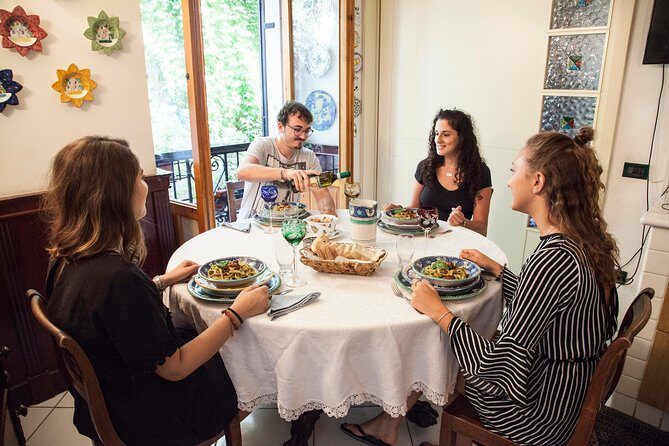
I think you should book it if your trip has room for one evening where you stop being a spectator and start cooking like a local. The best parts are hard to miss: a full included meal with wine and coffee, and the small-group teaching that makes it feel personal. The repeated praise for hosts like Enza, Patricia, Barbara, and Patrizia is a strong signal that hospitality and instruction are the center of the experience.
Skip it if you mostly want sightseeing or if you’d rather not spend your time in one location. This is a kitchen-and-dining evening, and that’s exactly why it works.
If you do book, treat it like the main event of the day. Eat what you cook. Ask questions while the pasta cooks. Then enjoy the last course slowly.
FAQ
How long is the Cesarine cooking and dining experience in Siena?
It lasts about 2 hours 30 minutes.
What is included in the price?
The experience includes an appetizer, fresh pasta main course, a second main course with a side dish, dessert, plus drinking water, a selection of wines, and coffee.
Is it a small group?
Yes. It has a maximum of 10 travelers.
What language is the experience offered in?
It is offered in English.
Where does the experience start and end?
It starts in Siena, Tuscany, and ends back at the meeting point.
Is free cancellation available?
Yes, you can cancel up to 24 hours in advance for a full refund.