REVIEW · SIENA
Siena: Private City Highlights Walking Tour
Book on GetYourGuide →Operated by BOLOGNA TOUR & BEST ITALY TOUR · Bookable on GetYourGuide
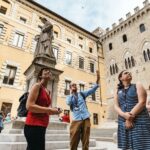
Siena is all angles and stories. This private 3-hour walk through the historic center is a fast way to get oriented, then learn why this city looks the way it does—brick, stone, and medieval design built to last. I like that the tour points you toward the major places you actually came for, while tying them to Siena’s contrade traditions and the Palio.
I also like the feel of a private group, where your certified guide can slow down when questions pop up and explain what you’re seeing in plain terms. Guides such as Idania and Alberta are credited for especially detailed, special explanations. The main drawback to plan around is that it’s not suitable for people with mobility impairments, and you’ll want comfortable shoes for uneven, old-stone streets.
In This Review
- Key things that make this Siena tour worth your time
- Why a private highlights walk works so well in Siena
- Starting at San Domenico Square: your orientation shortcut
- Piazza del Campo: the Palio square you’ll never look at the same way
- Torre Mangia: a 102-meter landmark with skyline impact
- Fonte Gaia: small details that make Siena feel human
- The narrow streets between the big sights
- How the 3-hour timing feels in real life
- What you’ll learn about contrade traditions (and why it matters)
- Price and value: what $135.94 buys you
- Who should book this tour (and who might prefer another plan)
- Should you book? My honest take
- FAQ
- How long is the Siena private highlights walking tour?
- Where does the tour start and end?
- Is hotel pickup or drop-off included?
- What’s included in the price?
- What languages are available, and is it private?
- What should I bring, and is the tour accessible?
Key things that make this Siena tour worth your time
- A real private tour: your group sets the pace, not the bus schedule
- Piazza del Campo + Palio context: you’ll understand why the square matters
- Torre Mangia at 102 meters: see the skyline landmark with meaning
- Fonte Gaia: a stop that rewards people who like details
- Certified guide in multiple languages: English, Italian, Spanish
Why a private highlights walk works so well in Siena
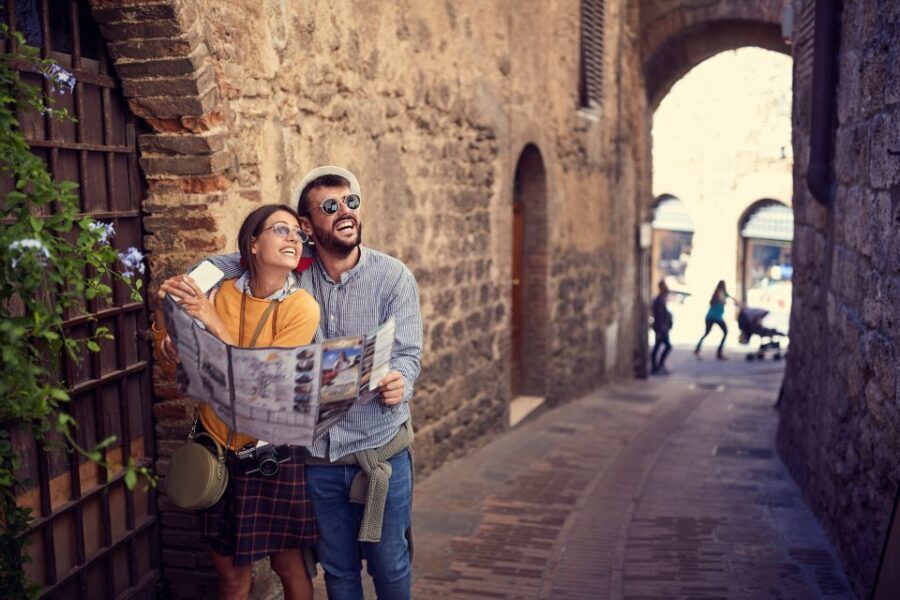
Siena is one of those places where your first hour shapes your whole trip. The streets twist. The sights repeat in surprising ways. If you’re wandering alone, you can easily walk past the exact clue that explains the city’s design.
This private format helps. You get a certified guide and a focused route, so you’re not stuck playing guess-and-check. Instead of just snapping photos, you learn what to look for—where power lived, why the city is built the way it is, and why the Palio isn’t just a festival, but a piece of Siena’s identity.
And because it’s private, the guide can adapt. If you’re the type who wants a little extra background on the contrade, you’ll get it. If you’d rather keep moving and only hear what’s useful, you’ll still come away with a clear picture of Siena.
Other walking tours we've reviewed in Siena
Starting at San Domenico Square: your orientation shortcut
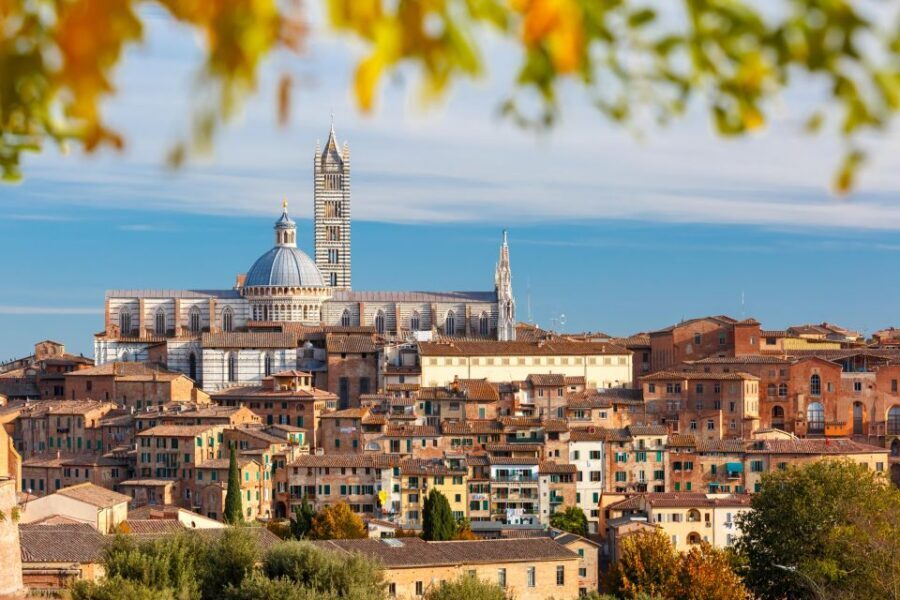
The meeting point is San Domenico Square 1 (Piazza S. Domenico, 1). This is a smart start, because it puts you close enough to the historic core that you can begin learning quickly rather than spending your tour time crossing the city.
Arrive about 10 minutes early. That small buffer matters because Siena’s streets can be confusing, and you want the tour to start promptly. Once you’re in motion, you’ll get the kind of orientation that makes the rest of the walk easier to enjoy—where you are, how the city “folds” around its main spaces, and what you’re approaching next.
Piazza del Campo: the Palio square you’ll never look at the same way
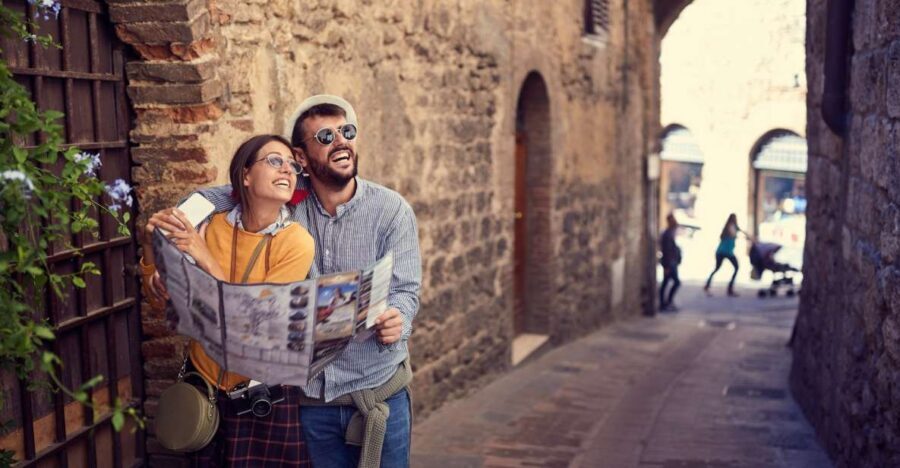
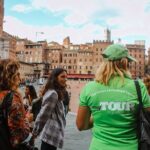
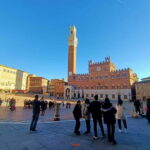
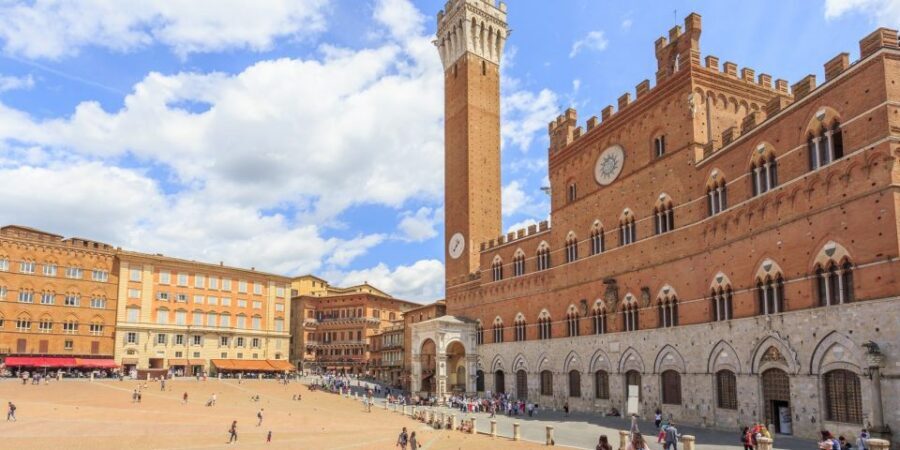
Piazza del Campo is the highlight you can’t miss. It’s also the place where the tour earns its keep: your guide connects the square to the Palio di Siena and the contrade system, so you understand what the space is for.
The shape and setting of Piazza del Campo are part of the story. When you know it’s where the Palio takes place, you start noticing how the city frames the action. Even outside race-day energy, the square feels like it’s built for gathering—people coming together, representatives from different neighborhoods, and the sense that tradition lives in the stones.
This is a great stop if you like “place-based history.” You’re not just hearing dates. You’re learning how a civic space functions as a living stage for identity. And if your photos tend to look flat, this is where a guide’s explanation helps—suddenly you know what angles and details matter.
Torre Mangia: a 102-meter landmark with skyline impact
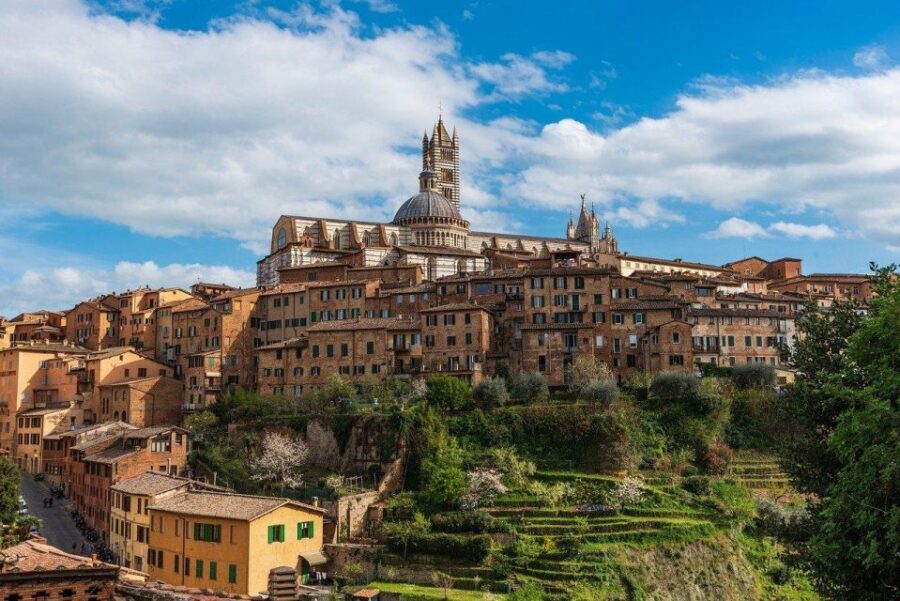
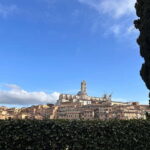
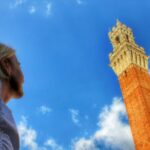
Next comes Torre Mangia, listed here as a 102-meter-high tower. Seeing a number like that is one thing. Understanding why it’s such a visible statement in Siena is another—and that’s where a guided walk helps.
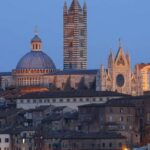
A tower like this isn’t just vertical. It’s a message. It signals civic pride and power, and it shapes the way you read the skyline. As you approach and look up, you’ll get help noticing how Siena’s architecture supports these dramatic sightlines. Without a guide, you might focus only on the tower itself. With one, you’ll understand the surrounding urban design that makes it feel like it belongs at the center of the city’s visual story.
There’s also a practical benefit: you’ll learn where to stand and what to look at during the short moments when your view opens up. That kind of guidance can make the difference between random photos and images that actually show Siena’s structure.
Fonte Gaia: small details that make Siena feel human
Fonte Gaia is one of those stops that can surprise you—in a good way. It’s not always the first name people say when they plan Siena. But it fits the tour perfectly, because it shifts attention from the biggest skyline features to the everyday symbolism of the city.
A fountain in a medieval city is never just decorative. It’s part of how a community lived. When a guide points out what Fonte Gaia represents and how it connects to Siena’s civic life, the stop starts to click. You’ll see it as part of the city’s social rhythm, not just another landmark you pass through.
This is also the kind of stop where a good guide gets personal with details: how the city’s design keeps the flow moving, what to notice about materials and craftsmanship, and why the fountain is worth the pause. If you enjoy slow, careful looking, you’ll love this moment.
Other city tours we've reviewed in Siena

The narrow streets between the big sights
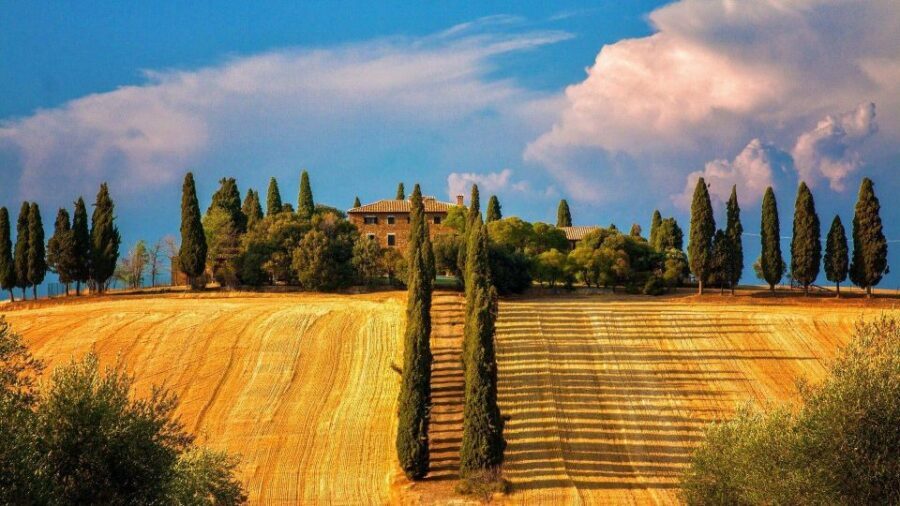
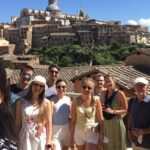
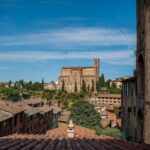
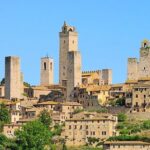
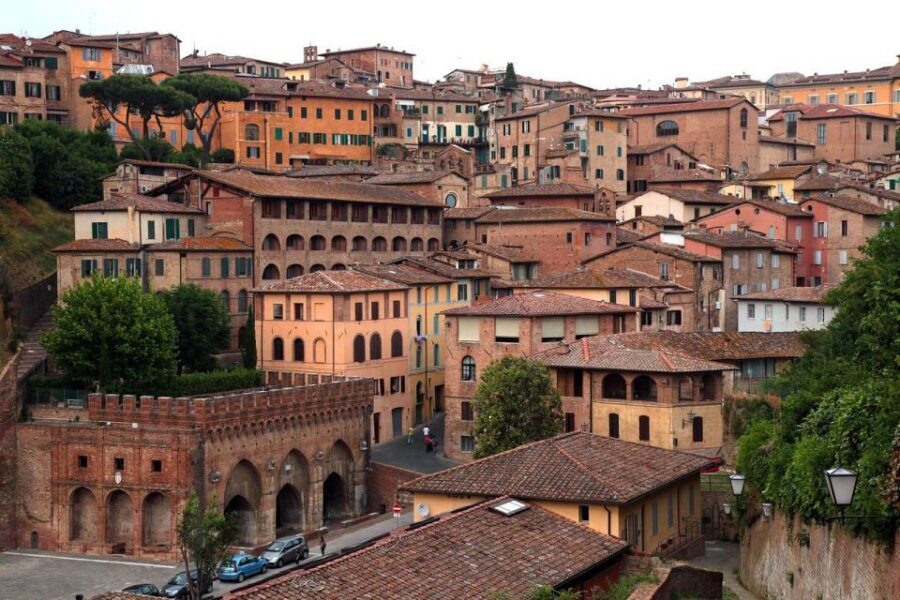
Siena’s magic is in the in-between. After major stops like Piazza del Campo and Torre Mangia, you’ll keep walking through narrow streets lined with Gothic palaces, churches, and smaller squares that look like they were designed for turning corners slowly.
This is where the private format really shows. You’re not rushing through. You’re getting explanations paced to the walk. Your guide can connect each “in-between” view to the larger idea: Siena as a medieval city built almost like a work of art—bricks and stones shaping the whole feel of the place, with walls still surrounding it.
For you, that means you’ll leave with more than a photo list. You’ll understand the city’s logic. And that makes returning on your own later easier, because you’ll know what you’re looking for.
How the 3-hour timing feels in real life
The total duration is 3 hours, with 2 hours of guided tour time. That structure is practical. It gives you enough time to cover the key highlights without turning the experience into a full-day sprint.
In a city like Siena, shorter is often better. If you try to cram too much, you spend your energy looking for the next spot. With this tour, you can actually pay attention. You’ll have time to pause, take in views, and ask questions without the guide having to cut you off every few minutes.
Also, since the tour starts and ends back at Piazza S. Domenico, 1, you don’t have to worry about complicated logistics. It’s a simple loop that works well if you’re planning the rest of your day on your own.
What you’ll learn about contrade traditions (and why it matters)
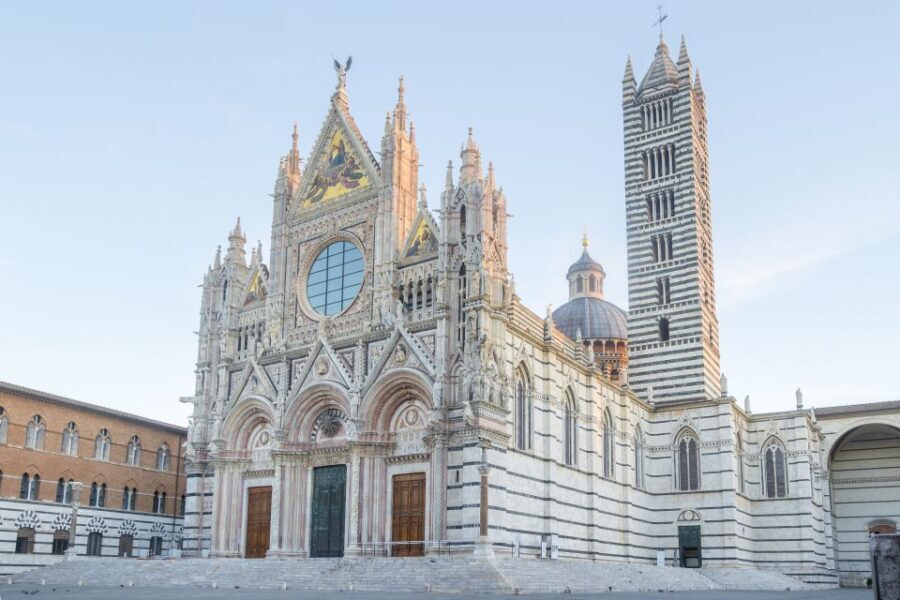
One of the tour’s themes is that Siena isn’t only medieval architecture—it’s also strong traditions that still run deep, mainly tied to the contrade and the Palio di Siena.
Even if you’re visiting outside Palio season, the guide’s explanations help you understand why the city feels different from other Tuscan stops. Siena’s squares and streets aren’t generic backdrops. They’re built around the idea of community identity, friendly rivalry, and public celebration.
If you care about culture, this is valuable. You’re not just collecting sights; you’re learning how Siena organizes meaning in public spaces. That makes the city more than a pretty place to walk through—it becomes a place with rules, stories, and ongoing identity.
Price and value: what $135.94 buys you
The price is $135.94 per person for a 3-hour private highlights walking tour. On paper, it’s not the cheapest way to see Siena. But value is about what you get for the time and attention.
Here’s what you’re paying for:
- A private guided experience, not a group shuffling pace
- A certified tour guide
- Focused time in the exact highlights most visitors want: Piazza del Campo, Torre Mangia, Fonte Gaia
- A route that’s designed to connect sights to tradition (contrade and Palio context)
One important note: hotel pickup and drop-off aren’t included. That means you’re responsible for getting to the meeting point yourself. If you’re already based nearby, that’s easy. If you’re staying farther out, factor in transit time so you don’t rush at the start.
If you want a guided experience that actually helps you understand Siena—rather than just see it—this price can feel fair. If you’re perfectly happy with self-guided walking and don’t care much about context, you might choose differently. But if you want your time to count, the private format is the part that usually makes the cost feel justified.
Who should book this tour (and who might prefer another plan)
This tour is best for you if:
- You want a clear highlights route in about half a day
- You like your sightseeing explained, not just labeled
- You value a private setting where your guide can tailor the pacing
It may not be a great fit if:
- You have mobility limitations. The tour isn’t suitable for people with mobility impairments.
- You don’t do well with walking on older, uneven streets. Comfortable shoes aren’t optional.
If you’re traveling as a couple, with a small group, or with family members who enjoy learning, the private approach can be especially satisfying. And if you’re a first-time Siena visitor, this tour works as a strong foundation—so you can explore the rest of the city with better instincts afterward.
Should you book? My honest take
If you’re choosing between a quick walk and a guided experience, I’d lean toward booking this one. The tour is designed around Siena’s most important landmarks—Piazza del Campo, Torre Mangia, and Fonte Gaia—and it adds the part many travelers feel they missed: the connection to contrade traditions and the Palio di Siena.
The biggest reasons to book are simple. You get a certified guide, you get private pacing, and you’ll walk away understanding what you saw instead of just having images.
If you’re sensitive to long walking or mobility isn’t great, skip it. Otherwise, grab a start time, show up a bit early, and wear shoes you trust. Siena rewards attention, and a private highlights tour is the quickest way to earn it.
FAQ
How long is the Siena private highlights walking tour?
The tour lasts 3 hours total, including 2 hours of guided touring through Siena.
Where does the tour start and end?
It starts at San Domenico Square 1 (Piazza S. Domenico, 1) and ends back at the same meeting point.
Is hotel pickup or drop-off included?
No. Hotel pickup and drop-off are not included.
What’s included in the price?
A certified tour guide is included.
What languages are available, and is it private?
The tour is a private group and the live guide is available in English, Italian, and Spanish.
What should I bring, and is the tour accessible?
Bring comfortable shoes. The tour is not suitable for people with mobility impairments, and you should plan for walking through Siena’s streets.