REVIEW · SIENA
Siena: Small Group Cooking Class in Chianti Farmhouse
Book on GetYourGuide →Operated by My Tour in Italy · Bookable on GetYourGuide
A Chianti farmhouse makes cooking classes feel real. You’ll learn Tuscan techniques in a small-group setting with chef Simone, using fresh ingredients and family-style recipes.
I love that this class is hands-on in a real working environment, not a demo. Two other big wins for me: the small group size (often just a handful of people) and the focus on practical skills you can repeat at home, from pasta to dessert.
One thing to plan for: the farmhouse requires you to climb and descend stairs, and it isn’t suitable for wheelchair users. Also, it’s not for children under 8.
Quick key points (the stuff that really matters)
- Small group cooking that stays relaxed, with hands-on attention from the chef.
- Chef Simone runs the show and teaches in English, Italian, and Spanish.
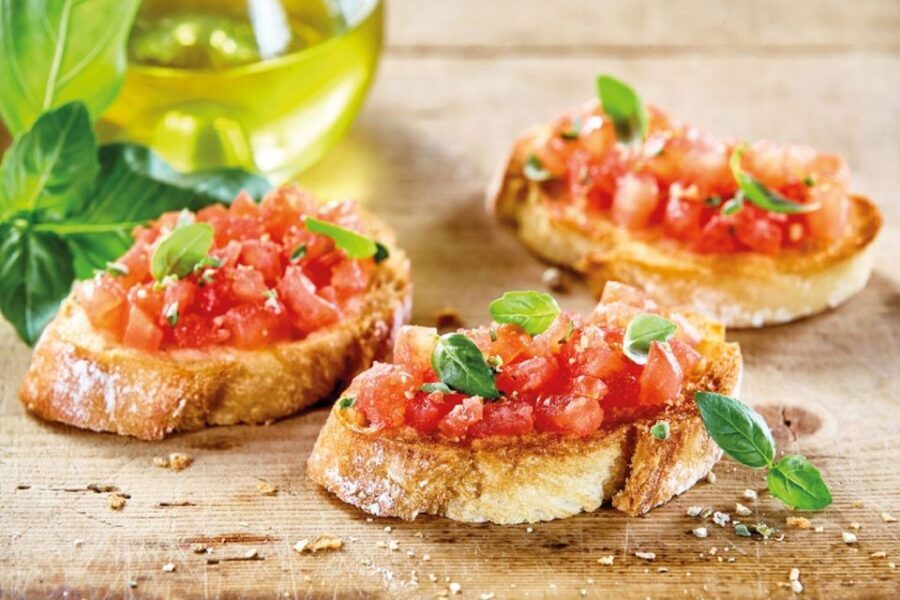
- You’ll work through classic Tuscan dishes such as pasta and tiramisu, plus starters like bruschetta/crostini.
- Wine is part of the experience, served with the meal as you eat what you cooked.
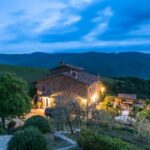
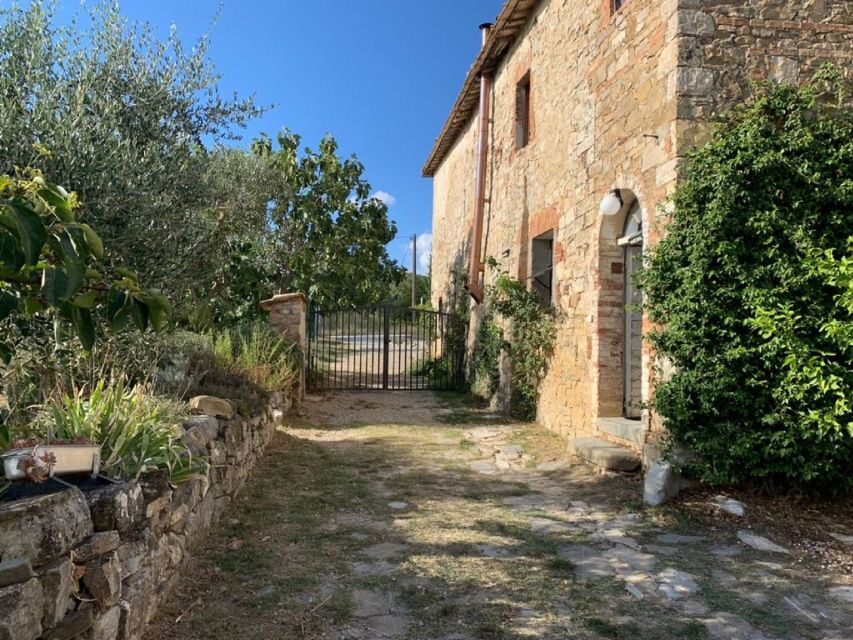
- The setting is a Chianti farmhouse in the hills, with serious views and a lived-in, rustic feel.
- All ingredients are handled for you, so you can cook without grocery-store stress.
In This Review
- A Chianti Farmhouse Kitchen Beats a Standard Cooking Tour in Siena
- Chef Simone Leads a Multilingual, Family-Style Lesson
- The Tuscan Menu Focus: Pasta Skills Plus Starters and Tiramisu
- The 4-Hour Flow: How Your Cooking Turns Into Lunch
- Views, Atmosphere, and the Real Chianti Feeling
- Wine and Drinks: Included, and Not Just a Token Pour
- Price and Value: What $130.28 Gets You in Tuscany
- Who Should Book This Siena to Chianti Cooking Class?
- Tips to Get the Most From Your 4 Hours in the Hills
- Should You Book This Chianti Farmhouse Cooking Class?
- FAQ
- How long is the Siena cooking class in a Chianti farmhouse?
- What’s included in the price?
- Is hotel pickup or drop-off included?
- What languages will the chef and guide use?
- Is this class suitable for children?
- Is it wheelchair accessible?
- Are pets allowed?
- Sources? (None)
A Chianti Farmhouse Kitchen Beats a Standard Cooking Tour in Siena
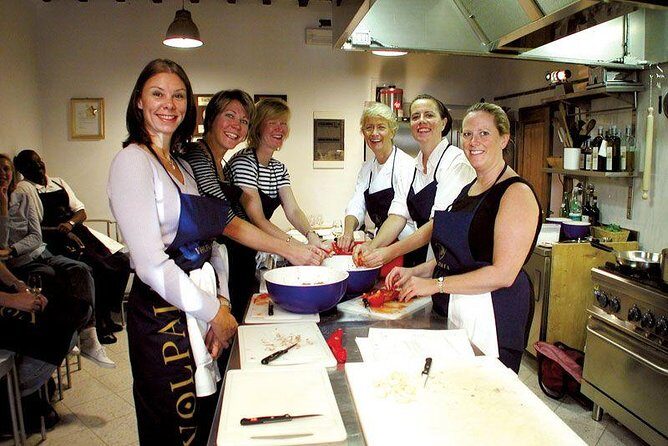
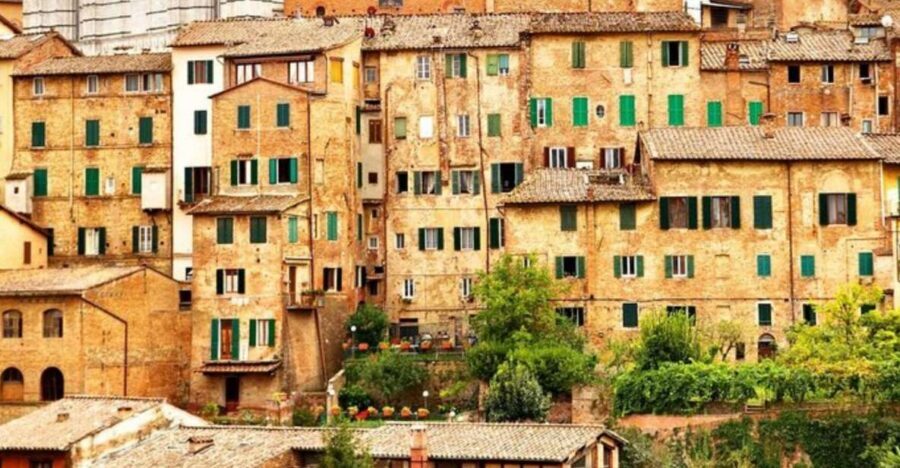
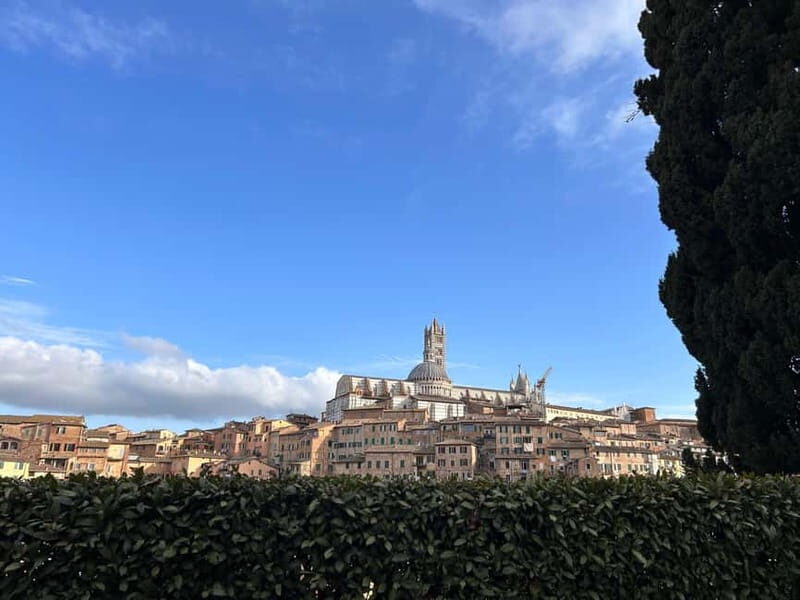
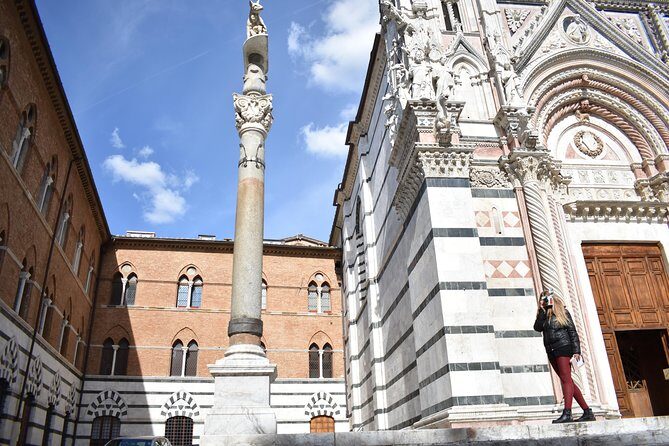
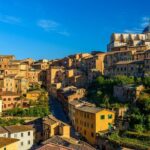
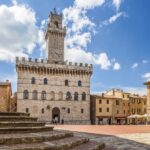
Siena is famous for art and streets that beg you to slow down. This kind of experience adds a second side of Tuscany: food you can actually cook, then eat while you’re still in the mood for it.
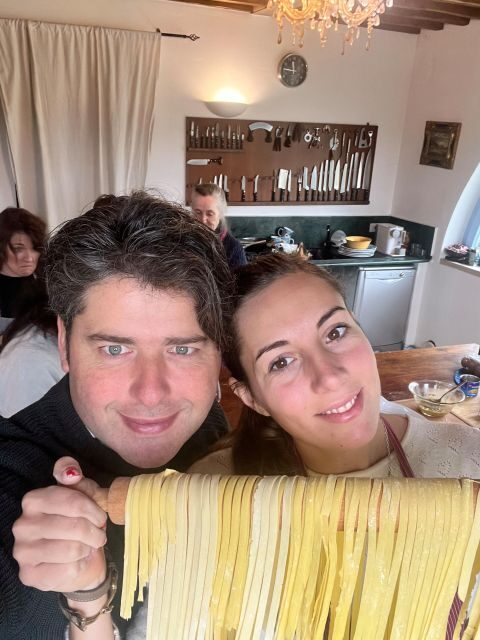
The Chianti farmhouse setting changes the tone. You’re not standing in a room that feels like a rented classroom. It’s a home-style, working-hands environment where the chef can show you how the dishes should feel—texture, timing, and even the pace of the meal. That matters because Tuscan cooking is more about technique and simplicity than showy tricks.
Also, you’re not trapped in a long talk before cooking. You’re learning as you go, and you end with a meal based on what you prepared. That’s the kind of structure that turns a fun afternoon into real skill.
Chef Simone Leads a Multilingual, Family-Style Lesson
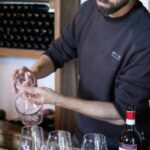
Chef Simone is the center of the experience, and the class runs with multilingual support (English, Italian, Spanish). That’s a big deal when you’re trying to pick up technique. With clear instructions in your language, you’re less likely to second-guess what you’re doing wrong—especially with pasta steps and dessert assembly.
What I like about the way the class is presented is that it feels personal, not scripted. Simone’s teaching style comes through as patient and practical, and the recipes are described as family-style, including methods passed down from grandma. That helps you understand why certain steps are done the way they are, instead of treating them like random rules.
And since this is a small group, you can actually ask questions. You’re not shouting across the room. If you’re learning something as hands-on as ravioli shaping or tiramisu layering, that attention makes the difference between a decent plate and one you’d happily cook again.
Other Chianti wine tours we've reviewed in Siena

The Tuscan Menu Focus: Pasta Skills Plus Starters and Tiramisu
Tuscan cuisine can sound intimidating if you think it’s all about fancy ingredients. In practice, it’s about a few staples done well. This class is built around that idea.
You’ll work with classic Tuscan components like:
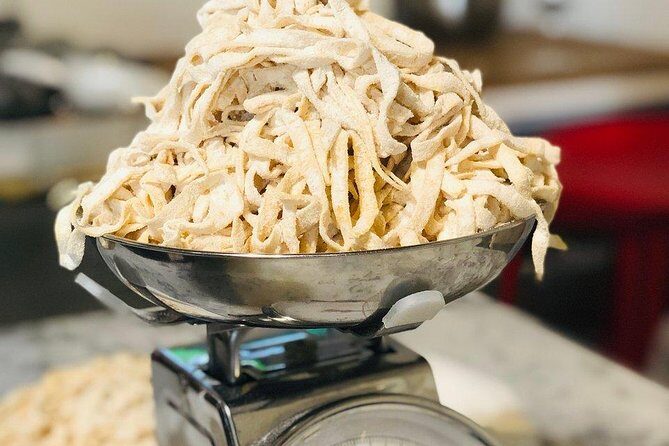
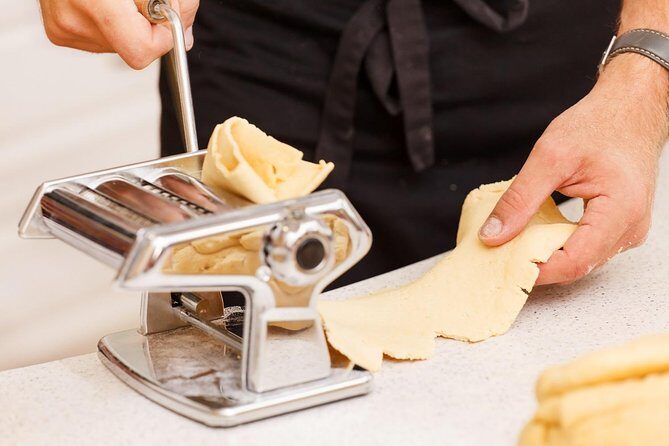
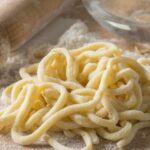
- Homemade pasta (the experience references pasta such as pici and you may also see ravioli-style preparation in the class menu)
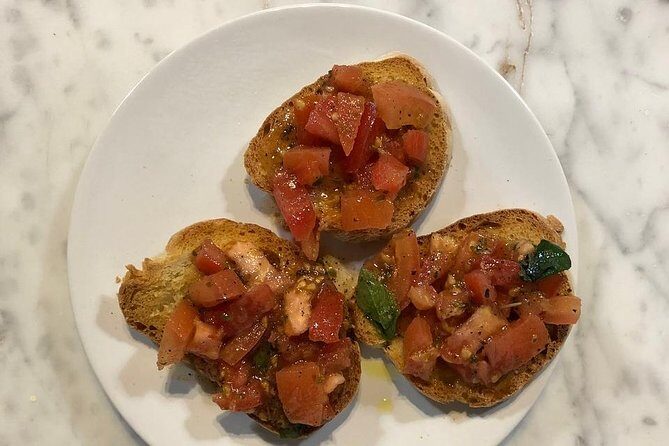
- Bruschetta or crostini as part of the starter side
- Tiramisu as the dessert highlight
Even if your exact menu shifts a bit by timing, season, and flow, the teaching focus stays consistent: you learn technique for pasta dough and shaping, then you learn how to assemble the dessert without rushing it.
Why this structure works: once you know the pasta fundamentals and how to build tiramisu properly, you’re not stuck ordering Italian food forever. You can recreate the same flavors at home with confidence—because the class teaches process, not just a plated outcome.
The 4-Hour Flow: How Your Cooking Turns Into Lunch
This is a 4-hour experience, and the timing can vary by starting time. The lesson is set up like a loop: make, taste, adjust, then eat what you made. That makes it easier to stay engaged from the first ingredient to the final bite.
Here’s what your afternoon typically feels like:
You start by meeting the chef and settling into the farmhouse kitchen setup. After that, you jump into ingredient work and prep steps. The class covers basic ingredients used in regional Tuscan dishes, so you understand what you’re using and why it behaves the way it does.
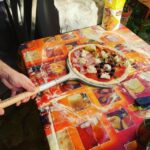
Next comes the pasta portion. Expect to get your hands involved—mixing, shaping, and learning what “right” looks like as you go. In example menus, the pasta component has included ravioli with spinach and ricotta, which is a classic pairing that teaches you both filling balance and dough handling.
Then you move into the starter and sauce/bread components—often bruschetta or crostini—so you’re not only eating pasta later. You’re building the whole meal, piece by piece.
Finally, you finish with dessert. The class includes tiramisu, and you’ll learn how to assemble it so it sets properly and tastes like it should, not like a quick dessert thrown together at home.
The key takeaway: you’re not just cooking one dish. You’re practicing how Tuscan meals come together on a schedule that feels natural, not stressful.
Views, Atmosphere, and the Real Chianti Feeling
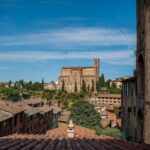
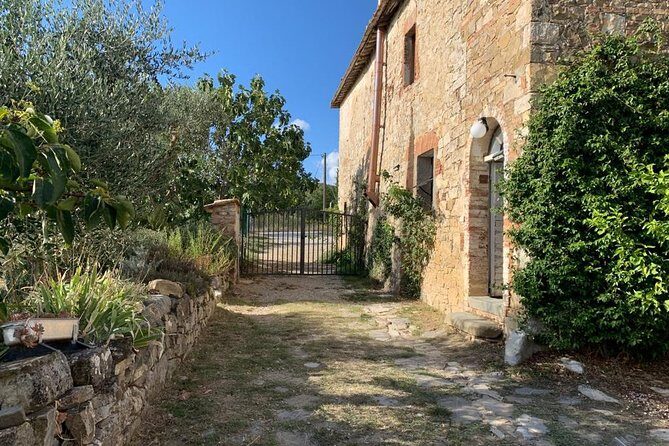
This is one of those experiences where the setting is part of the instruction. You’re in the Chianti hills on a working farmhouse property, and the atmosphere makes the food feel more intentional.
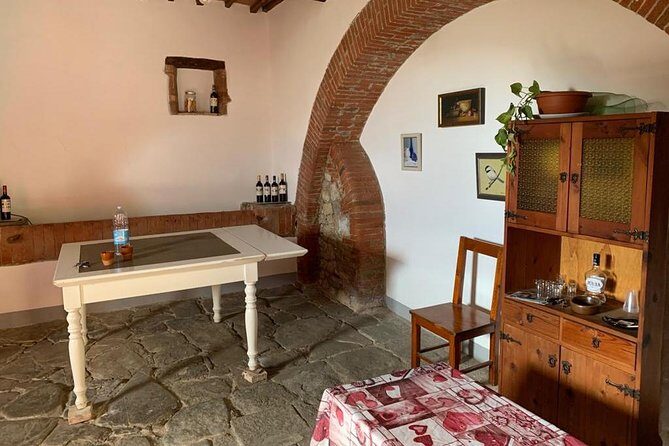
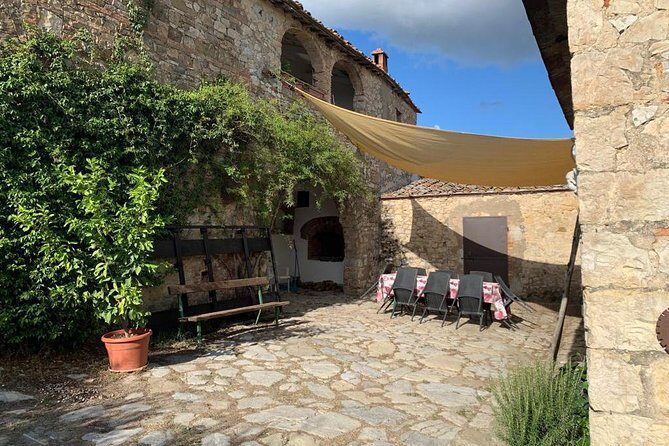
The farmhouse itself is described as beautiful and charming, with incredible views from the back of the home. That kind of location matters because it changes how you eat: you slow down, enjoy the meal, and actually remember the flavors.
There’s also a lived-in, homey vibe that makes the class feel less like a performance. Simone’s home and the property setup can include details like a farmhouse charm and garden elements. If you’re the type who likes seeing where ingredients come from, this setting supports that.
Just remember: it’s a farmhouse. That means stairs. It’s not a problem if you’re comfortable moving around, but it’s a real consideration if you’re tired from sightseeing or have mobility limits.
Wine and Drinks: Included, and Not Just a Token Pour
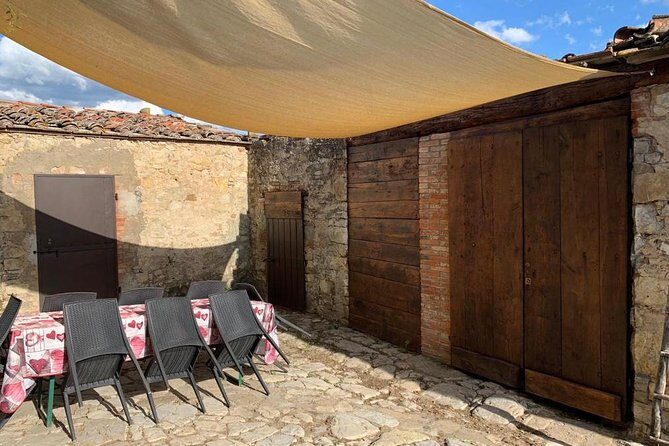
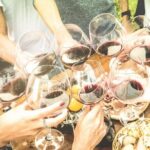
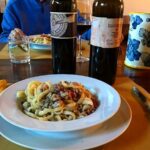
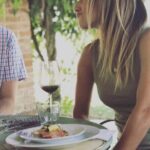
This experience includes drinks with the meal, and wine plays a clear role. In multiple accounts, Chianti wine is served during the class and meals in a way that feels like part of the hospitality, not a tiny starter sip.
For me, that’s a value signal. When wine is integrated into the meal flow—served as you eat what you cooked—it turns the class into a full lunch experience, not only a cooking lesson.
One practical note: if you’re sensitive to alcohol or want to stay sharp for the full session, pace yourself. The wine is part of the fun, but you still need motor skills for pasta shaping.
Other Tuscan cooking classes we've reviewed in Siena

Price and Value: What $130.28 Gets You in Tuscany
At about $130.28 per person for roughly 4 hours, you’re paying for three things at once:
- A chef-led, hands-on class (with ingredient prep and instruction)
- A small group experience (so you’re not lost in a crowd)
- A meal based on what you cook, plus drinks
Compared with self-guided tastings or a long guided city tour, this price makes sense because you leave with both food and skills. You’re not just paying to eat. You’re paying to learn how the dishes work.
Also, the class includes all ingredients, so you’re not mentally budgeting groceries during the trip. You show up, cook, and eat. In Tuscany, that “everything handled” approach is worth a lot.
If you’re traveling solo, you might still find the group stays small. If you’re coming as a couple or group of friends, the small-group structure tends to feel more intimate and less chaotic than larger “tour bus” activities.
Who Should Book This Siena to Chianti Cooking Class?
This is best for you if you want:
- A true hands-on Tuscany activity, not only sightseeing
- Practical cooking skills you can repeat later
- A relaxed small-group setting with time to ask questions
- A meal that’s part of the experience, with wine included
It’s also a solid choice for food-focused couples, friend trips, and adult travelers who enjoy getting their hands dirty.
A few fit notes:
- Not suitable for wheelchair users
- You must be able to climb and descend stairs
- Not bookable for children under 8
- Pets are not allowed
If you’re looking for a quick, painless “taste test” tour, this isn’t that. It’s for people who like learning by doing.
Tips to Get the Most From Your 4 Hours in the Hills
To make the class smooth, plan like you’re going to cook—not just to watch.
- Wear comfortable shoes you can move in, since it’s a farmhouse with stairs.
- Bring your appetite. The meal is based on what you cook, so you’ll likely want room for seconds.
- Expect wine as part of the experience. If you want to stay fully alert, sip slowly and drink water too.
- Follow the directions early. Pasta dough and dessert assembly both reward patience; when you rush, you feel it immediately.
If you’re cooking at home later, the biggest advantage you’ll keep isn’t memorizing exact steps. It’s the feel: texture cues, timing instincts, and how Tuscan flavors balance on a plate.
Should You Book This Chianti Farmhouse Cooking Class?
I’d book it if you want a memorable Tuscany day with real skills, a genuine farmhouse vibe, and a meal you helped create. The small-group format, multilingual teaching, and chef-led instruction make it easier to learn than many big-group cooking tours.
Skip it if stairs are a problem for you, you need wheelchair access, or you’re traveling with a child under 8. And if you’d rather spend the afternoon outside with zero mess, think twice—this class is hands-on by design.
If your idea of a great day in Tuscany includes good food, good company, and learning something you can bring home, this is a strong fit.
FAQ
How long is the Siena cooking class in a Chianti farmhouse?
The experience lasts 4 hours. Starting times can vary, so you’ll want to check availability for the schedule.
What’s included in the price?
You get all necessary ingredients, the cooking lesson with the local chef, and a meal based on what you prepared with drinks included.
Is hotel pickup or drop-off included?
No, hotel pickup and drop-off are not included.
What languages will the chef and guide use?
The live tour guide is available in English, Italian, and Spanish.
Is this class suitable for children?
It is not bookable for children under 8 years old.
Is it wheelchair accessible?
It is not suitable for wheelchair users.
Are pets allowed?
No, pets are not allowed.
Sources? (None)
No external sources were used beyond the details you provided.