REVIEW · SIENA
Siena: Pasta and Tiramisu Cooking Class with Wine
Book on GetYourGuide →Operated by The Roman Food Tour · Bookable on GetYourGuide
Fresh pasta in Siena beats eating it. At Trattoria Fonte Giusta, you get a Prosecco welcome and then learn three kinds of dough from an English-speaking chef. The main drawback to note up front: it’s built around the traditional recipe with gluten, dairy, and eggs, and they can’t guarantee zero cross contamination for allergies.
This is a hands-on cooking class in Tuscany that ends the way you want most classes to end: you eat what you made, with wine, in a proper restaurant setting. You’ll shape pasta dough, learn the key dough consistency checks, and build your own tiramisu while the chef explains how the cream comes together.
In This Review
- Key Highlights You’ll Care About
- Where to Meet in Siena: Trattoria Fonte Giusta
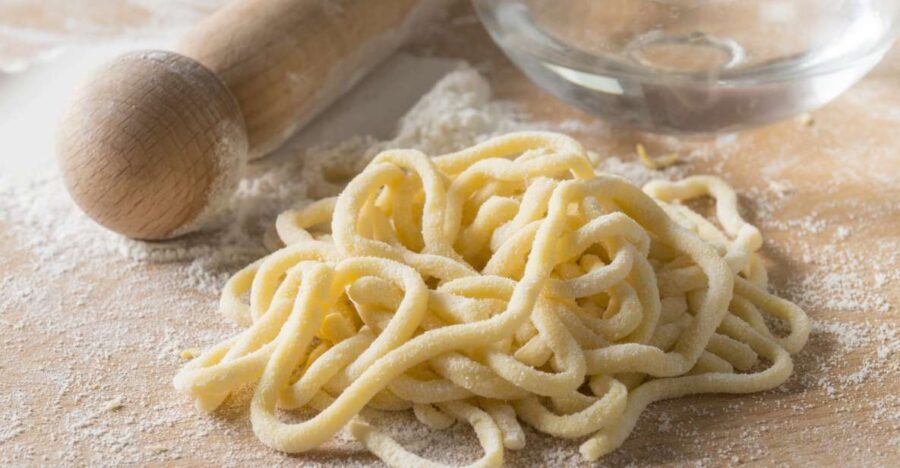
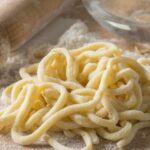
- The 3-Hour Pasta Workshop: Eggs Pasta, Pici, and Potato Gnocchi
- Dough Consistency Checks: The Skill That Makes Your Pasta Succeed
- Tiramisu in Two Modes: Chef Technique, Your Hands on Assembly
- The Best Part: Eating Your Pasta and Tiramisu With Wine in Siena
- Price and Value: Is $81 Worth It in Siena?
- Dietary Limits and Who This Class Works For
- Who Should Book This Pasta and Tiramisu Class
- Should You Book It?
- FAQ
- How long is the Siena Pasta and Tiramisu cooking class?
- What’s included in the price?
- Where do I meet for the class?
- Is the class in English?
- What dietary restrictions should I be careful about?
- Is there hotel pickup or drop-off?
- Who can participate (age limits)?
Key Highlights You’ll Care About
- Prosecco on arrival sets the tone before you touch any dough
- Three pasta doughs in one session: egg pasta, pici (egg-free), and potato gnocchi
- Chef coaching in real time with a close eye on texture and consistency
- Tiramisu assembly with technique so your cream isn’t a mystery at home
- A real meal afterward with wine, plus the chance to take leftovers away
Where to Meet in Siena: Trattoria Fonte Giusta
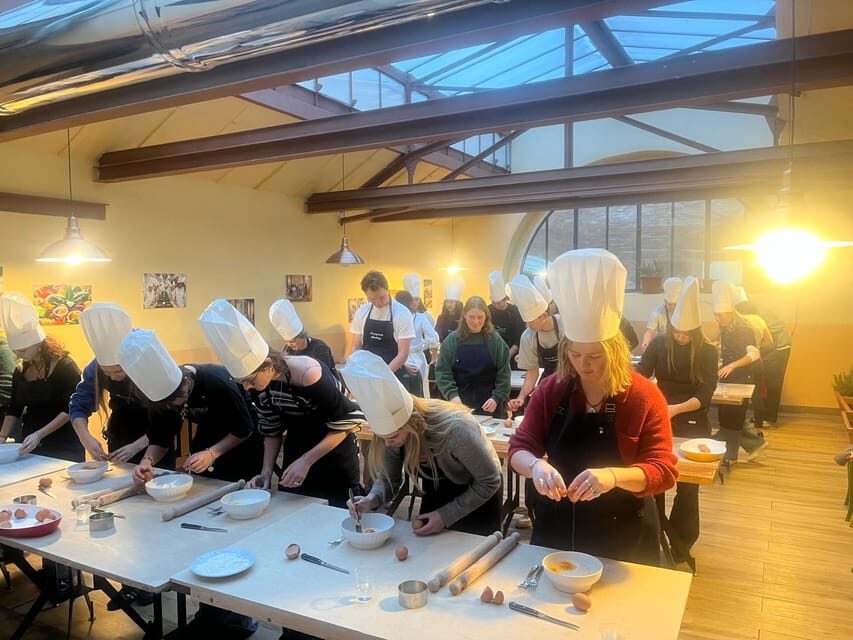
You’ll start right in the city, at Trattoria Fonte Giusta. The experience begins the moment you walk in: you’re welcomed with a glass of Prosecco, then you get ushered toward the prep area where the class actually happens.
One reason I like this setup is that it feels local and low-fuss. You’re not herded into a bland workshop room miles from anything Italian. You’re in a functioning restaurant environment, with staff and kitchen flow around you. Reviews also point out the room setup tends to work for multiple groups at once, with each group moving at its own pace, which matters if you’re a little nervous with dough.
Practical tip: wear sleeves you can roll, and plan to get a little flour on your clothes. That sounds obvious, but people underestimate how quickly flour finds its way onto everything.
Other Tuscan cooking classes we've reviewed in Siena

The 3-Hour Pasta Workshop: Eggs Pasta, Pici, and Potato Gnocchi
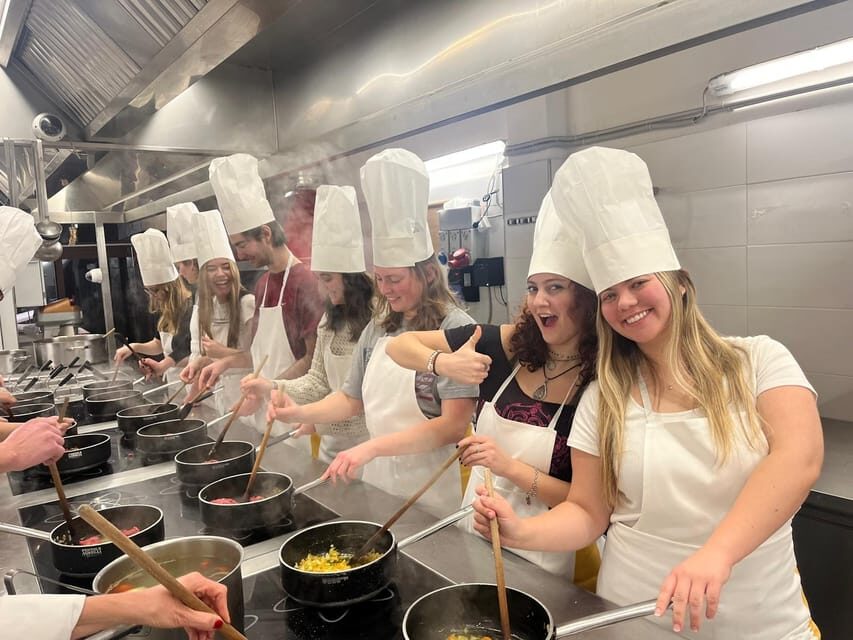
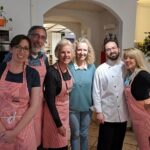
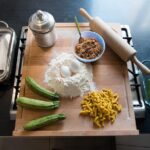
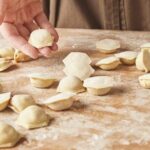
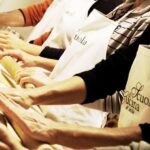
The core of this class is pasta dough. You don an apron, wash up, then work at your station with step-by-step guidance. The chef or guide walks around and teaches you what the dough should feel like, not just what it should look like.
Here’s the pasta lineup you’ll learn:
- Traditional pasta dough with eggs (the classic route)
- Pici dough without eggs (the local style mentioned as pici)
- Potato dough for gnocchi (so you see how potato changes the whole feel)
This is the part that makes the class more than a cooking demo. You’re not just watching someone else do the tricky parts. You’re physically learning dough texture and how ingredients behave.
From the reviews, the instructors are often described as organized and patient, with strong English. Guides you might have include Natalia, Dennis, or Safe, and the common thread is clear instruction plus hands-on support. You’ll also get a sense of how professional kitchens train cooks: make one small adjustment, then check the results right away.
Dough Consistency Checks: The Skill That Makes Your Pasta Succeed
The big secret you’re being taught here is consistency. Fresh pasta dough isn’t about memorizing a recipe line by line. It’s about feeling the dough and adjusting as you go.
During the class, the guide shows the exact consistency the dough should reach and helps you compare your dough to the target. That matters because “perfect” dough is rarely perfect on the first try when you’re working for the first time.
If you want a simple way to think about it (without overcomplicating things), focus on these cues as you work:
- If the dough feels dry and won’t come together, you need more hydration.
- If it feels too sticky, you likely need more flour and/or more kneading time to build structure.
- If it tears or won’t roll, it usually needs rest and gentle handling.
You’re learning these decisions while someone is there to correct you. That’s the value: you get to be a beginner, but not alone.
Also note: some reviews mention making pasta shapes like tagliatelle and ravioli in similar sessions, while the core structured dough types are pici, egg-based pasta, and gnocchi. Either way, the technique is the lesson. You leave knowing how to troubleshoot, not just what you made in that one moment.
Tiramisu in Two Modes: Chef Technique, Your Hands on Assembly
After pasta, you switch gears to dessert. The chef explains the tiramisu cream and demonstrates the technique, then you build your own tiramisu.
That structure is smart. You get the method first, so you’re not guessing how the cream should look or behave. Then you put your hands on the process and turn it into something you can reproduce later.
Tiramisu can be a little intimidating at home because small changes can throw off texture. The class helps because you’re watching the cream mixing approach and getting guided during assembly. Reviews also mention that while some parts are shown by the chef, you’re still involved enough that you’re not left feeling like you just did plating.
One more plus: because you’ll be eating what you made shortly afterward, you can taste the end result while everything is still fresh in your mind.
The Best Part: Eating Your Pasta and Tiramisu With Wine in Siena
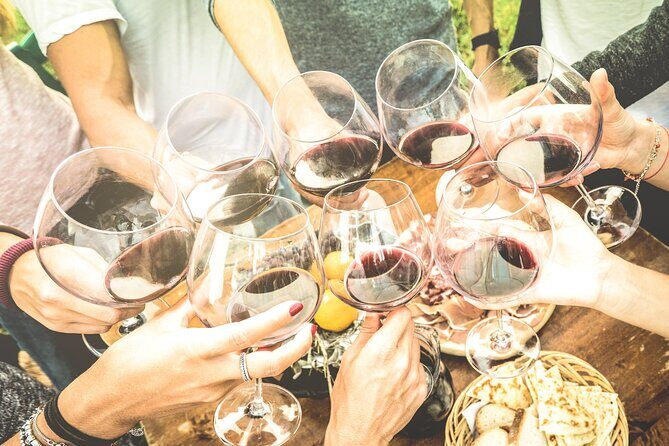
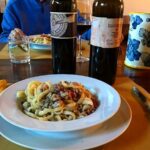
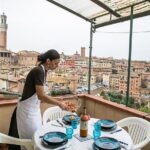
Most cooking classes struggle with the finale. This one handles it well: you gather for lunch or dinner where you eat the fruits of your labor, and you get a glass of wine with the meal.
A common detail in the feedback is that after the cooking portion, you’re seated in the restaurant area next door (or a closely connected dining space). That means you’re not dragged away to an unknown location. It stays in the same slice of Siena.
Also, don’t expect to also be cooking the sauces. Reviews clarify the restaurant prepares the accompanying sauces, with options such as tomato sauce and meat sauce, so your pasta gets paired properly like it would in a real meal.
You’ll also likely have a generous amount of food. People repeatedly mention that you won’t leave hungry, and some note they were offered a doggy bag to take leftovers home. That matters in a city where dinner lines can be chaotic and you may already have gelato on the calendar.
Other cooking classes in Siena
Price and Value: Is $81 Worth It in Siena?
At $81 per person for about 3 hours, you’re paying for more than a recipe. You’re paying for:
- Instruction from an English-speaking chef/guide who coaches you through dough consistency
- Hands-on practice making multiple dough types, not just one
- Prosecco at arrival plus wine with your meal
- Lunch or dinner included, not a separate add-on
- Equipment and an apron, plus the ingredients used during class
- Samples of what you prepare, so you can taste while it’s still hot and real
If your goal is to come away with a skill, this is a better deal than many “light” culinary experiences. You’ll be able to recreate the technique because you learned how dough should feel and how to approach tiramisu cream.
Where the price can feel less attractive is if you’re only interested in dessert or only want to watch. This class is built for people who like to participate. Also, if you have strict dietary needs, the notes about allergens and cross contamination can change the value fast.
Dietary Limits and Who This Class Works For
Let’s be direct. The class states that instructions focus on the traditional recipe containing gluten, dairy, and eggs. They do offer substitutes for allergies or preferences, but they also say they cannot guarantee 100% free of cross contamination.
The important listed “not suitable” categories include:
- Children under 3 years and babies under 1 year
- Vegans
- People with food allergies
- People with gluten intolerance
- People with lactose intolerance
Meanwhile, the listing also mentions dietary options including vegetarian, vegan, and lactose intolerant support. That sounds promising, but the other “not suitable” limits are the stronger warning. If you have dietary restrictions beyond mild preference, contact the provider before booking and get a clear yes or no for your needs.
My practical take: if you’re gluten-free, lactose-intolerant, or managing a serious allergy, don’t rely on assumptions. Treat this class as traditional-food focused and confirm what substitutions are actually possible.
Who Should Book This Pasta and Tiramisu Class
This is a strong fit if you:
- Want a hands-on Siena food experience, not just a tasting
- Enjoy social travel and don’t mind a group setting (reviews describe groups around a dozen)
- Learn best by doing, especially with technique like dough texture
- Want both pasta and dessert skills, with a proper meal afterward
It may not be ideal if you:
- Need gluten-free, dairy-free, or egg-free cooking guaranteed
- Prefer a fully private experience without group dynamics
- Expect sauces to be made by you from start to finish
The upside is that even if you’re a beginner, the class is set up to teach the foundation. Multiple reviews point out that people found fresh pasta and tiramisu easier than expected once they got the chef’s guidance.
Should You Book It?
Yes, if you want a classic Tuscany meal experience that teaches real technique. The pairing of pasta dough coaching plus tiramisu assembly plus an actual lunch or dinner with wine is what makes the $81 price feel justified. You’re leaving with skills you can use at home, not just memories of eating.
Book it particularly if you’ll be in Siena on a day when you’d rather be indoors and productive than chasing views in rain or heat. From the feedback, the setup also tends to be comfortable and structured, so you’re not stuck waiting around forever.
Just book with your eyes open: this is traditional Italian cooking with gluten, dairy, and eggs at the center, and allergen cross-contamination can’t be guaranteed.
FAQ
How long is the Siena Pasta and Tiramisu cooking class?
It lasts 3 hours.
What’s included in the price?
You get a welcome glass of Prosecco, the pasta and tiramisu cooking class, lunch or dinner, a glass of wine, plus an apron and cooking equipment.
Where do I meet for the class?
Please enter the restaurant Trattoria Fonte Giusta.
Is the class in English?
Yes. The guide is listed as live and English-speaking.
What dietary restrictions should I be careful about?
The traditional recipes used include gluten, dairy, and eggs. They offer substitutes for allergies or preferences, but they cannot guarantee 100% free of cross contamination. The experience is also listed as not suitable for vegans, people with gluten intolerance, and people with lactose intolerance.
Is there hotel pickup or drop-off?
No, hotel pickup and drop-off are not included.
Who can participate (age limits)?
It’s listed as not suitable for children under 3 years and babies under 1 year.
If you want, tell me your travel dates and whether you’re traveling solo or with others. I can suggest what time of day tends to feel best for a 3-hour class in Siena.