REVIEW · SIENA
Siena: Small group Cooking Class in Chianti Farmhouse
Book on Viator →Operated by myTour in Italy · Bookable on Viator
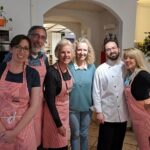
One kitchen. One table. You leave with real Italian skills. This small-group cooking class in the Chianti countryside near Siena has you making antipasti, handmade pasta, and tiramisù with a professional local chef. You also get a recipe card to recreate the meal later, plus wine paired to your dishes.
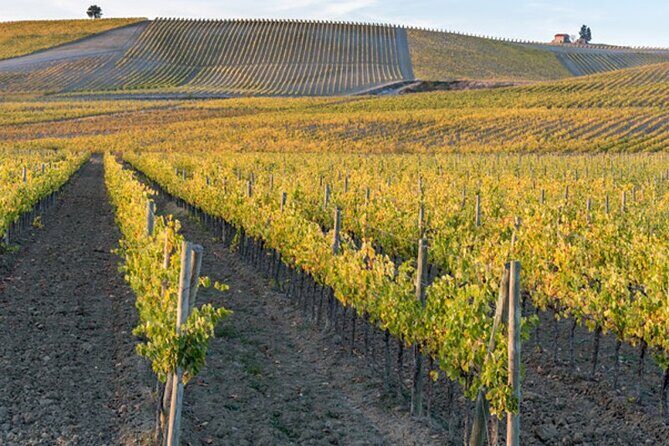
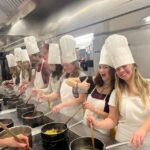
What I like most is the hands-on flow, from slicing and topping crostini to kneading dough and shaping pasta by hand. Another big win is the setting: you’re in the countryside with olive groves, vineyards, and herb bushes like sage and rosemary, so the food tastes like it belongs there. The one drawback to keep in mind is that there’s no hotel pickup or drop-off, so you’ll need to plan how to get to the meeting point outside Siena.
In This Review
- Key highlights at a glance
- Why This Chianti Class Feels More Like Family-Style Cooking
- A simple tradeoff
- Meeting in Siena, Then Getting Out to the Farmhouse Kitchen
- What makes this travel-to-countryside moment worth it
- Bruschetta and Crostini: Your Antipasto Crash Course
- What you’ll make
- Why this starter matters for beginners
- Fresh Handmade Pasta: From Kneading to Shaping
- A closer look at the pasta you’re making
- What you’re really learning (beyond the pasta shape)
- Sauce and Wine Pairing: The Tuscan Flavour Finish
- Wine is part of the meal, not an add-on
- Tiramisù: Dessert That’s Practical to Repeat
- Why dessert is a smart ending
- What the Meal Feels Like When You Sit Down
- Why eating together is part of the learning
- Small Group Size: The Difference Between Watching and Doing
- Price and Value: What $139.13 Buys You in Real Terms
- When this price feels especially fair
- Tips to Make the Most of Your Class
- Who This Cooking Class Is Best For
- Should You Book This Siena-Style Cooking Class?
- FAQ
- FAQ
- How long is the cooking class?
- Where does the tour start and where does it end?
- Is the class a small group?
- What language is the class taught in?
- What dishes do I make?
- Do I get a recipe to take home?
- Is wine included?
- Do I need to bring ingredients or tools?
- Is hotel pickup included?
- Can the class accommodate dietary needs like gluten free?
Key highlights at a glance
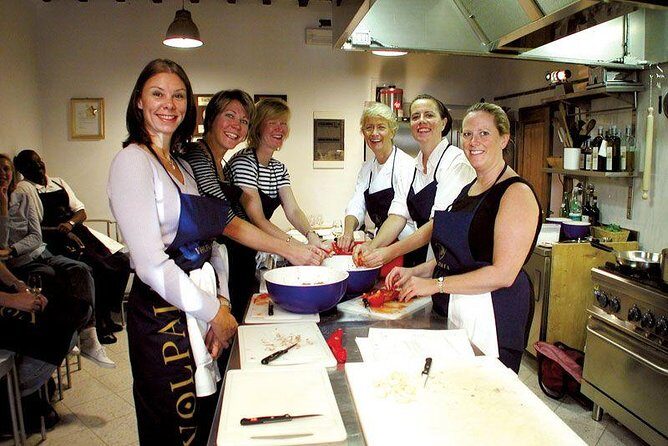
- Small group, max 14: more time with the chef and less standing around.
- Starter to dessert, all made by you: bruschetta, fresh pasta, and tiramisù.
- Local Tuscan ingredients guide the menu: tomatoes, basil, extravirgin olive oil, and classic pantry staples.
- Wine pairing is part of the experience: you’ll have wine during the meal.
- Recipe card to take home: practical notes so you can repeat the results.
Why This Chianti Class Feels More Like Family-Style Cooking
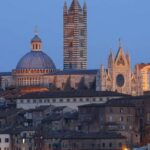
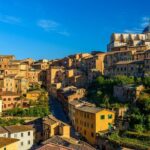
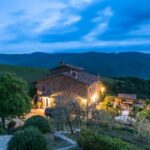
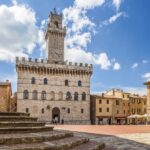
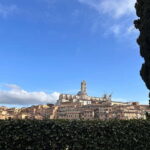
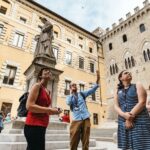
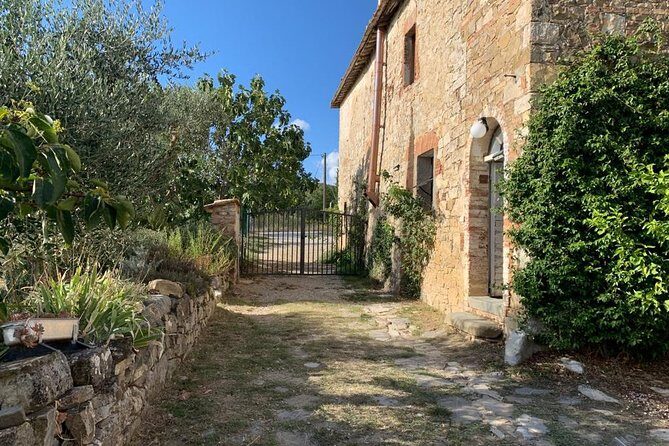
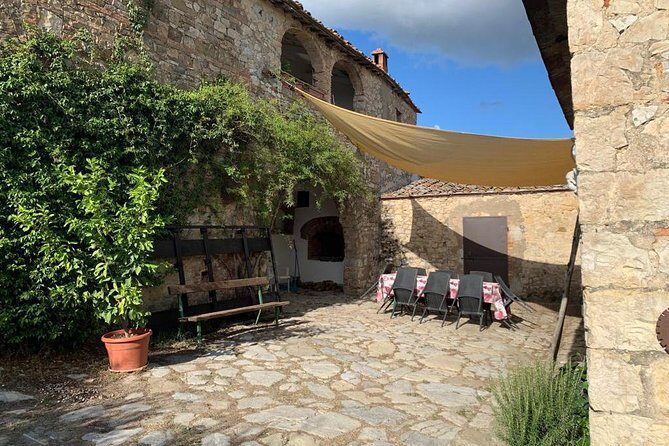
Siena is packed with art and stone streets. This class gives you the other side of Tuscany: food made slowly, with purpose, and shared while it’s still warm. You start in Siena, then head out to a private farmhouse kitchen where the pace is relaxed and the chef teaches like someone who actually wants you to succeed.
I like that the lesson doesn’t just show you steps. You do the work. That matters because pasta and dessert are skill-based meals: you learn how dough should feel, how sauce should cling, and what “enough” looks like without guessing.
Other Chianti wine tours we've reviewed in Siena
A simple tradeoff
The only real planning hurdle is logistics. Since there’s no hotel pickup, you’ll need your own way to get to the meeting point near Castelnuovo Berardenga (just outside Siena). If you’re staying in the historic center, it’s usually easiest to coordinate a taxi or similar ride ahead of time.
Meeting in Siena, Then Getting Out to the Farmhouse Kitchen
The tour is built around a morning session (the sample runs Bruschetta, Pasta, and Tiramisù). You meet at the designated meeting point in the Siena area, then the group heads to the farmhouse kitchen. The experience is designed to end back at the meeting point, so you’re not stuck trying to figure out your way home later.
What makes this travel-to-countryside moment worth it
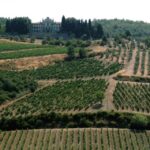
This isn’t an “in-the-city” cooking class. Getting out into the Chianti area changes the whole mood. The countryside around Siena is known for olive groves and grapevines, and the class leans into that by talking about how local ingredients shape Tuscan cooking. Even if you’re short on time, this is a smart way to feel Tuscany beyond postcards.
Bruschetta and Crostini: Your Antipasto Crash Course
Your first real taste of cooking happens before pasta. You’ll prepare classic Tuscan starter items—especially bruschetta and crostini—using ingredients that scream simplicity.
Other Tuscan cooking classes we've reviewed in Siena

What you’ll make
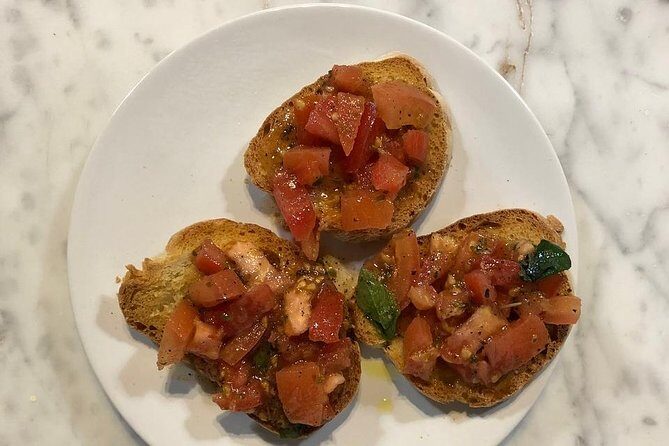
- Bruschetta: bread topped with juicy tomatoes, basil, and extravirgin olive oil.
- Crostini: toasted bread paired with toppings prepared in the same Tuscan flavor lane.
The chef’s role here is key. They’ll give tips that sound small—how to build flavor in toppings, how to handle tomatoes and herbs, and how to balance olive oil and freshness. Those details are what turn “bread with stuff on it” into something you’ll want to recreate at home.
Why this starter matters for beginners
Bruschetta is forgiving in a way that pasta isn’t. That’s good. You’re able to get confident with chopping, tasting, and building flavor while everything is still moving at a comfortable pace. If you’re nervous about cooking in a foreign language environment, this is your warm-up.
Fresh Handmade Pasta: From Kneading to Shaping
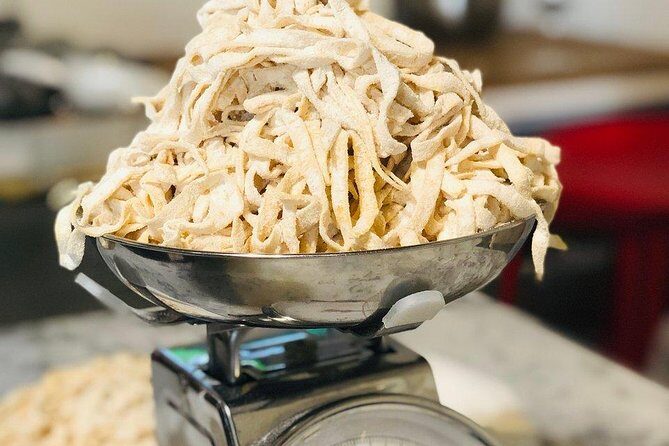
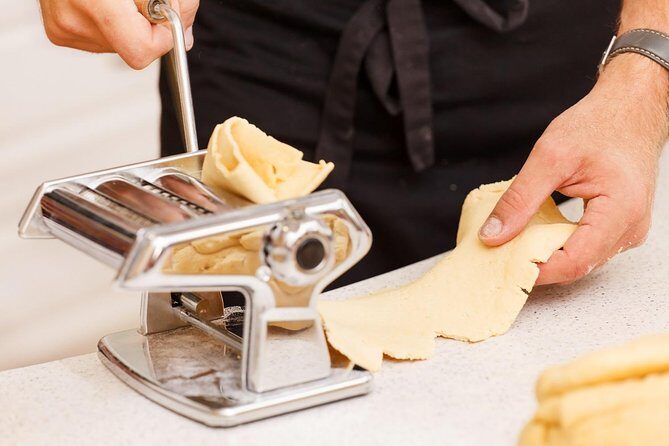
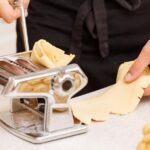
This is the heart of the class. You’ll learn to make handmade pasta, and the exact shape can vary depending on the chef’s plan—think ravioli, tagliatelle, short pasta, or other fresh options. One part of the pasta lesson focuses on making dough, then mixing, kneading, and shaping.
A closer look at the pasta you’re making
The class centers on Tuscan traditions from the Siena region, and you’ll likely work with a dough-based process that includes:
- Kneading and mixing until the dough behaves correctly
- Cutting and shaping into the pasta form the class chooses
- Pairing the pasta with a sauce that matches the pasta type
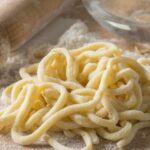
You may also hear about pici specifically, a thick pasta associated with Siena. That style uses a hand-shaped approach—cutting dough into doughy strands and finishing with sauce. Even if your final shape differs, the lesson teaches the same core idea: you control the dough, then let the sauce finish the job.
What you’re really learning (beyond the pasta shape)
The most useful skill here is the “feel” of dough and the logic of pairing pasta and sauce. Pasta types behave differently. Sauces cling differently. When you understand that, you stop relying on recipes that feel rigid.
Also, because this is a small group, the chef can correct your technique before it becomes a disaster. That’s one reason this kind of class works better than a big group demonstration.
Sauce and Wine Pairing: The Tuscan Flavour Finish
After shaping pasta, you’ll move into sauce. The sauce changes depending on what pasta you create, and the typical options include:
- Ragu
- Tomato-based sauces
- Cheese and sage sauces
- Other classic variations based on the chef’s choices
This is where Tuscan cooking stays grounded. Sauce isn’t an afterthought. It’s the glue. You learn why certain sauces are better with certain pasta shapes, and you taste the difference right away at the table.
Wine is part of the meal, not an add-on
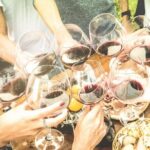
Your chef will choose a Tuscan wine to pair with what you make. In practice, that means the meal is treated like an actual Tuscan dining experience, not like a class where you squeeze in one quick bite.
Tiramisù: Dessert That’s Practical to Repeat
For dessert, you’ll prepare a typical Tuscan favorite: tiramisù. The class teaches you how to assemble it fresh, and the result is designed to be satisfying even if you’re new to Italian baking.
Why dessert is a smart ending
Tiramisù is one of those dishes where people often think it’s too complicated. In a cooking class setting, you can see the structure and timing clearly. You learn what the layers should look like, how it should come together, and how to finish it without overthinking it.
And since dessert is the final step, it’s also when the class energy usually peaks. By then, you’ve worked dough, toasted bread, and cooked pasta components. Dessert feels like a reward, not another assignment.
What the Meal Feels Like When You Sit Down
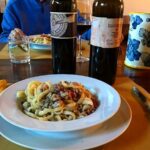
Once the cooking is done, you eat what you made as a group. This is a real meal: you’ll have the dishes in the menu flow (starter, pasta, dessert), plus your drinks. You’re not rushing out the moment the final plate hits the table.
Why eating together is part of the learning
Cooking classes often skip the tasting moment, but here it’s built in. You get to compare what you made against what you expected. That feedback loop is the best kind of education, because it turns techniques into memory.
Small Group Size: The Difference Between Watching and Doing
This experience caps at 14 travelers. That number sounds like a policy detail, but it matters.
In a room with fewer people:
- You get more direct attention from the chef
- Mistakes get corrected faster
- You spend less time waiting for tools or instructions
- Conversations are easier, especially if you ask why something works a certain way
This is also why the chef can teach with a personal tone. Many people come away talking about the host by name and praising how relaxed and engaging the lesson feels. It’s one of those classes where the chef’s personality becomes part of the food.
Price and Value: What $139.13 Buys You in Real Terms
At $139.13 per person for about four hours, the value isn’t just the food. It’s what’s included:
- Ingredients for what you prepare
- A professional chef
- Meal based on your cooking, with drinks
- A recipe card to take home
- Wine as part of your experience
In other words, you’re paying for instruction and access, not just ingredients. You also avoid the hassle of sourcing specialty pantry items or figuring out exact pasta technique alone.
When this price feels especially fair
If you like Italian food and want more than a one-time taste, this class is a good use of time in Siena. It’s also a strong pick if you’re traveling with only a few people—because the small group format protects your hands-on time.
If you’re hoping for a pure sightseeing day, this is less of that. It’s a cooking experience first. You’re leaving with skills and recipes, not just photos.
Tips to Make the Most of Your Class
These are small things, but they can make your day smoother:
- Come hungry. The class ends with a full meal, and you’ll want to taste properly.
- Ask questions when the chef slows down. That’s when you’ll get the most useful tips for home cooking.
- Tell them your dietary needs when booking. The tour notes that dietary requirements should be shared ahead, and it specifically mentions gluten free travelers.
- Plan your transportation since there’s no hotel pickup. If you’re staying in central Siena, a taxi is a simple option people commonly use to reach the meeting point outside town.
Who This Cooking Class Is Best For
This class works great if you’re:
- A beginner who wants to learn pasta basics without feeling lost
- A food lover who wants hands-on instruction, not just a tasting
- Traveling as a small group, couple, or even solo (small group format helps you connect)
- Interested in authentic Tuscan flavors, especially classic starter-to-dessert meals
It’s also a nice break from Siena’s walking and museum time. Cooking gives you a hands-on activity with a satisfying payoff.
Should You Book This Siena-Style Cooking Class?
I’d book it if you want a memorable Tuscany experience that’s active, not passive. The combination of homemade pasta, tiramisù, and a chef-led approach is the kind of thing that sticks with you after your trip ends—especially because you leave with a recipe card.
Skip it if you dislike cooking classes or you’re short on time and need a highly flexible schedule. Also, if transportation outside Siena feels like a stress point, factor that in before you commit.
If you’re ready for a cozy Chianti kitchen day—bread to dessert, wine included—this is the type of experience that earns its place on a Siena itinerary.
FAQ
FAQ
How long is the cooking class?
It lasts about four hours.
Where does the tour start and where does it end?
You meet at the local meeting point near Castelnuovo Berardenga, and the tour ends back at the same meeting point.
Is the class a small group?
Yes. It operates in small groups with a maximum of 14 travelers.
What language is the class taught in?
The experience is offered in English.
What dishes do I make?
The morning menu centers on bruschetta, fresh handmade pasta, and tiramisù.
Do I get a recipe to take home?
Yes, you’ll receive a recipe card after the class.
Is wine included?
Yes. A glass of wine is included, and your chef selects a Tuscan wine to pair with your meal.
Do I need to bring ingredients or tools?
No. All necessary ingredients are included.
Is hotel pickup included?
No. Hotel pickup and drop-off are not included.
Can the class accommodate dietary needs like gluten free?
The tour asks you to advise dietary requirements at booking, and it specifically mentions gluten free travelers.