REVIEW · SIENA
Siena: Food and Wine Walking Tour
Book on GetYourGuide →Operated by Tuscan Escapes by Papilio · Bookable on GetYourGuide
Siena’s flavors teach you the city fast. This 2-hour food and wine walking tour pairs tasting with short lessons on how Siena produces staples like cheese, cured cuts, and extra virgin olive oil, while you also sample local white and red wines. I especially like how it links food to what you see on the streets, and how the Tuscan Wine School tasting makes the wine feel practical instead of pretentious.
The only real catch is simple: you’ll be walking Siena’s charming streets, so it’s not recommended for people with limited mobility. If you have any ankle-knee issues, bring the best shoes you own and be ready for steady walking.
In This Review
- Key Highlights You’ll Actually Care About
- Why Siena’s Food Stops Feel Like a City Lesson
- Meeting at the Wine School and Getting a Local Guide’s Rhythm
- Tuscan Wine School Tastings: White, Red, and How to Taste On the Move
- Cheese, Cured Cuts, and Extra Virgin Olive Oil: What You Learn Beyond Flavor
- Siena’s Bread Story: Saltless Roots and Medieval Recipes
- Strolling Through the City: Finding Cinta Senese and Truffles in the Local Mindset
- Dessert and Sweet Foods: Finishing the Tour Without a Sugar Crash
- Price and Value: Does $71 Make Sense for 2 Hours?
- Pace, Practical Tips, and Staying Comfortable
- Who Should Book This Tour (and Who Should Skip)
- Should You Book the Siena Food and Wine Walking Tour?
- FAQ
- How long is the Siena food and wine walking tour?
- What’s included in the tastings?
- What wines will I taste?
- Is the tour guided in English?
- Do I need special equipment or clothing?
- Is this tour suitable for people with mobility impairments?
Key Highlights You’ll Actually Care About
- 2–3 glasses of local white and red wine included in a short, focused time window
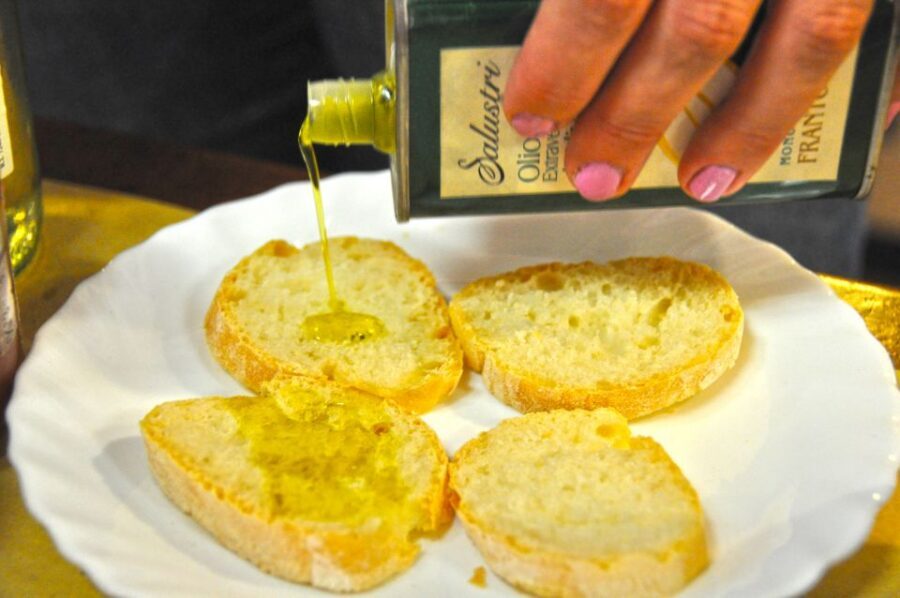
- Cheese, cured cuts, and extra virgin olive oil tastings with real production context
- Medieval bread and salt history, explained and tied to how recipes are made today
- Cinta Senese and how truffles show up in local life and tradition
- A live English guide who keeps the pace friendly and the information clear
Why Siena’s Food Stops Feel Like a City Lesson
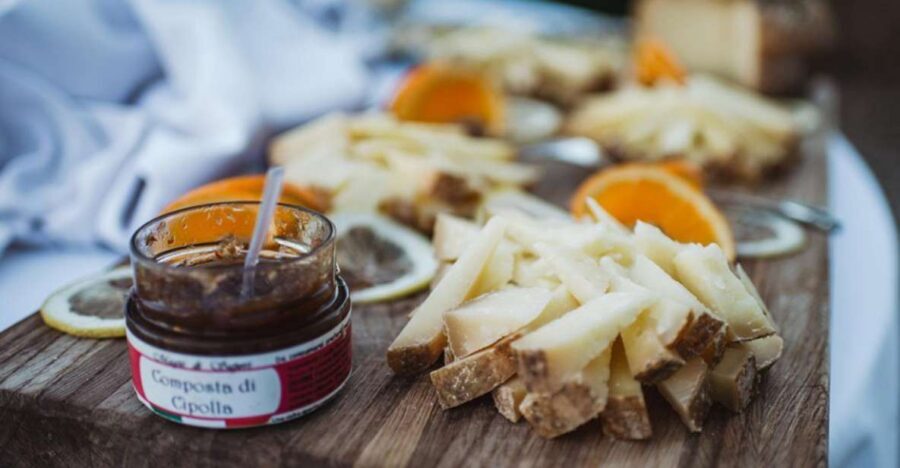
Siena is one of those places where food isn’t an add-on. It’s part of the identity. On this tour, you don’t just sample bites and move on. You walk through Siena while your guide connects each stop to what that product meant locally, and why it still matters.
What I like is the blend of practical tasting and context. You learn what you’re eating and drinking, then you get to see the city around you while it clicks. That matters in Tuscany, because so much of the charm lives outside museum walls—in how people shop, cook, and preserve.
You’ll also get a good spread of local products in a short time. The tour is built around Siena’s main items: cheeses, cured meats, extra virgin olive oil, plus a typical white and red wine tasting. That’s a smart setup if you’re the type who wants to understand the region without planning an entire day of separate tastings.
Other Siena food tours we've reviewed in Siena
Meeting at the Wine School and Getting a Local Guide’s Rhythm
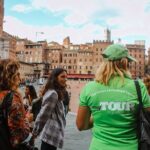
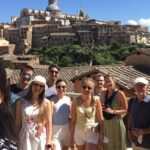
You’ll meet your guide at the start point (plan to arrive about 5 minutes early so you don’t slow the group). From the beginning, the vibe is casual: you’re there to taste, ask questions, and walk.
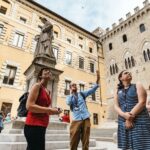
One thing I’m glad for is the local-guide factor. The experience is led by English-speaking guides who bring real personality. Names that have shown up for this tour include Paulo, Elio Martino, and Georgia. That matters because you’re not just hearing facts—you’re getting the kind of explanations that make food and wine feel like everyday culture.
Also, you’ll be moving at a walking-tour pace through Siena. There’s enough structure to keep it informative, but not so much “classroom” time that you feel stuck. If you like tours where the guide guides, not lectures, this format works well.
Tuscan Wine School Tastings: White, Red, and How to Taste On the Move
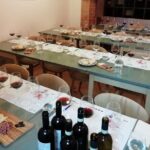
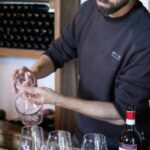
The heart of the wine portion is the visit and tasting at the Tuscan Wine School. Expect a structured tasting that includes 2–3 glasses of different local wines, including a typical Tuscan white and a red.
In practical terms, this is great if you’re not trying to become a wine expert. Instead of dumping grape charts on you, the tour focuses on what you can learn through tasting: how white and red styles relate to local choices, and how to pay attention to the glass without getting lost.
Here’s what you should do to get the most out of it:
- Take small sips and let the guide’s talking points land before you switch to the next wine.
- Pace yourself. You’re tasting alcohol as part of a 2-hour walk, so water and moderation are your friends.
- Use the context you’re given—especially any connection between wine and local food—so the tasting feels grounded.
And yes, the format is designed to keep things social. It’s the kind of experience where you can ask simple questions, like what makes a wine taste “this way,” and get answers you can actually remember later.
Cheese, Cured Cuts, and Extra Virgin Olive Oil: What You Learn Beyond Flavor
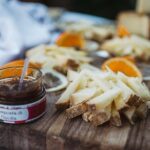
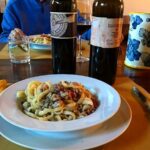
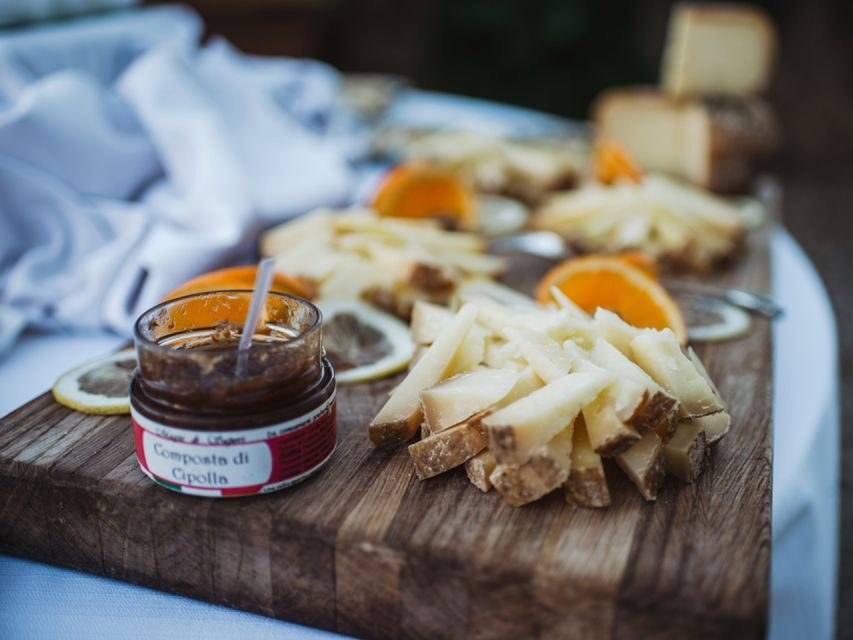
After (or alongside) the wine tasting, you shift into food that’s central to Tuscan tables. The tour includes tastings of cheese, cold cuts (cured meats), and extra virgin olive oil. You’ll also learn about how these are made, not just how they taste.
This is one of the best parts of the tour because it explains something you can’t really see from a plate. For example, when you learn how production methods shape flavor, you start noticing the differences instantly—how a cheese’s character can come from its aging, or how cured cuts reflect local preservation traditions, or how extra virgin olive oil earns its identity.
You’ll likely taste in a way that helps you compare, not just sample. That makes it more than a snack stop. It becomes a mini lesson on the logic behind the food: why certain products pair naturally with local bread, why olive oil stays central, and how cured items fit into everyday eating.
If you’re food-focused, this is where the value shows up. For many shorter tastings in Europe, you get one bite and one sip. Here, you get multiple food types and a guided explanation tying them together.
Siena’s Bread Story: Saltless Roots and Medieval Recipes
One of the more interesting segments centers on something you might not expect: why Tuscan bread was historically plain and saltless, and how it later shows up in recipes.
That kind of food history is more than trivia. Saltless bread makes you think about scarcity and how people adapted. Then the tour moves from the past into the present by explaining how those traditions influence what you cook and eat now, including medieval recipes behind the traditional.
If you like tours that give you “aha” moments—where food facts change how you see the region—this part is worth paying attention to. Bread is a daily staple, so learning its story makes your next meal in Siena feel smarter.
Other walking tours we've reviewed in Siena
Strolling Through the City: Finding Cinta Senese and Truffles in the Local Mindset
As you walk Siena, you’ll cover two things that show up again and again in Tuscan food culture: Cinta Senese and local truffles.
The tour connects them to local life by explaining more about:
- Cinta Senese, a Siena-associated pig breed tied to local meat traditions
- How truffles are found in the region, and why they matter to the seasonal food identity
Even if you’re not planning a truffle hunt yourself, this gives you useful context for reading Tuscany’s menus later. You’ll start to understand when truffles are used to elevate simple dishes, and how local livestock traditions shape what people cook at home.
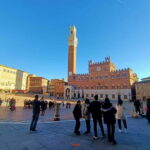
And because this comes while you’re actually walking the streets, the lessons stick. You’re not just hearing about rural ingredients. You’re in a city that shapes and sells those tastes.
Dessert and Sweet Foods: Finishing the Tour Without a Sugar Crash
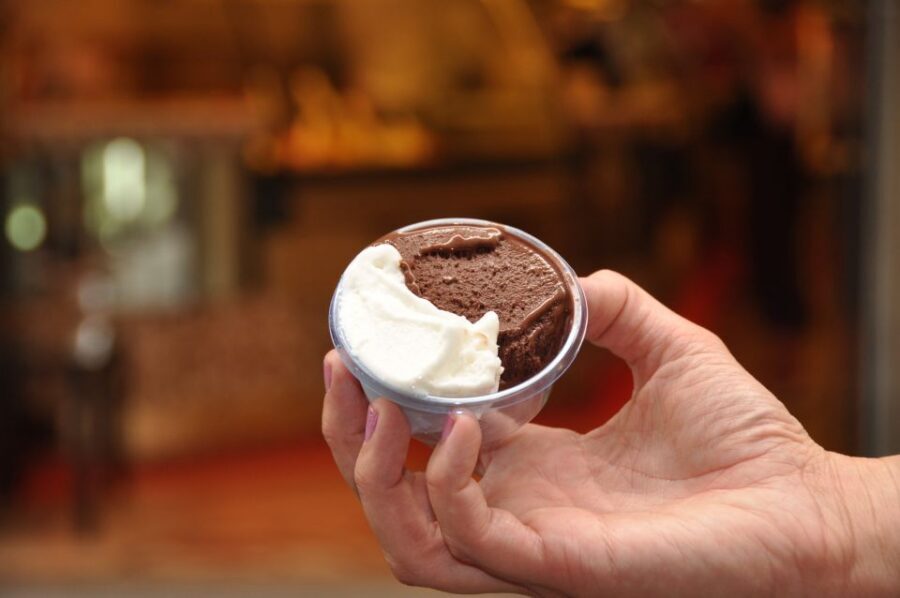
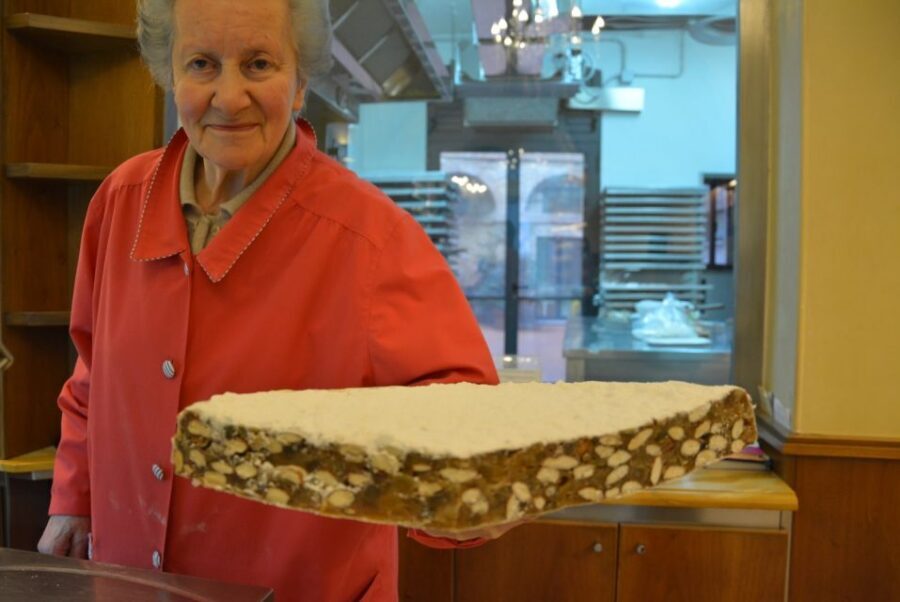
By the end of the experience, you get dessert and sweet foods. That closing bite matters because it balances the heavier savory tasting parts earlier: cheese, cured meats, olive oil, plus wine.
The best part of finishing with something sweet is that it leaves you satisfied but not wrecked. A 2-hour walk moves fast, and you’ll be glad the tour ends with a clear finish line rather than forcing you to go find your own dessert afterward.
If you’re the type who likes to keep momentum, you’ll also appreciate that the tour is short enough that you can continue exploring Siena right after, without feeling like your day is fully booked.
Price and Value: Does $71 Make Sense for 2 Hours?
At $71 per person for a 2-hour experience, you’re paying for more than walking and talking. You’re paying for a guide, a wine tasting at the Tuscan Wine School, and multiple food tastings, including 2–3 glasses of local wine, cheese, cured cuts, extra virgin olive oil, plus dessert.
Here’s how I think about value with tours like this:
- If you only wanted bread and a couple sips, you could DIY the trip for less.
- If you want an organized tasting sequence with explanations that help you understand what you’re consuming, the guide + structured tastings start to justify the price quickly.
- The included wine and food tastings are the real cost drivers, and they’re also the hardest part to stitch together well on your own in a short time.
So for a focused introduction to Siena’s food-and-wine culture, this is fair value. It’s especially good if you want to sample several local products without turning it into a full day of reservations.
Pace, Practical Tips, and Staying Comfortable
This tour is built around walking Siena. The experience is not suitable for people with mobility impairments, and the company recommends comfortable shoes.
To keep it enjoyable, I’d plan like this:
- Wear supportive shoes with good grip. Siena streets can be uneven, and the cobbles don’t forgive bad soles.
- Bring a light layer. Weather changes between shade and sun in Tuscany.
- Pace yourself with the wine. You’re drinking while walking, not just tasting in one spot.
Also, tips are not included in the cost. If you feel the guide earned it (and the guides named in prior bookings have a reputation for good humor and strong explanations), you should plan to tip accordingly.
Who Should Book This Tour (and Who Should Skip)
This experience is a great fit if you want:
- A short, organized way to taste Siena’s main local products
- A guide who can connect food to the city around you
- Wine tasting that includes both a typical white and a typical red, with practical explanation
You might skip it if:
- You have limited mobility and can’t comfortably handle a walking route
- You want a fully seated, minimal-walking experience
Should You Book the Siena Food and Wine Walking Tour?
If you’re heading to Siena and you’d rather spend your time learning what locals actually eat and drink, I’d book it. The structure hits the sweet spot: wine tastings at the Tuscan Wine School, multiple tastings of key local foods, plus dessert, all wrapped into a 2-hour walk.
I’d book especially if you’re arriving hungry for context. The tour doesn’t treat food as random snacks. It explains why bread history, Cinta Senese, and truffles connect to local tradition, and it gives you tastings that help you make sense of the region after you leave.
Just do one thing: come prepared to walk, and wear shoes that won’t punish you on cobblestones.
FAQ
How long is the Siena food and wine walking tour?
The tour lasts 2 hours.
What’s included in the tastings?
The tour includes 2–3 glasses of different local wines, tastings of cheese, cold cuts, and extra virgin olive oil, plus dessert and sweet foods.
What wines will I taste?
You’ll taste a typical Tuscan white and a typical Tuscan red as part of the included wine tasting.
Is the tour guided in English?
Yes, it includes a live tour guide in English.
Do I need special equipment or clothing?
You should bring comfortable shoes, since this is a walking tour.
Is this tour suitable for people with mobility impairments?
No. It’s not recommended for people with limited mobility and isn’t suitable for mobility impairments.