REVIEW · SIENA
San Gimignano, Chianti, and Montalcino Day Trip from Siena
Book on Viator →Operated by myTour in Italy · Bookable on Viator
Three Tuscan towns, one long day. This San Gimignano, Chianti, and Montalcino tour turns an early start from Siena into a full loop of UNESCO San Gimignano, wine estates, and scenic Val d’Orcia views—without you worrying about buses, parking, or directions.
I especially like how the day mixes “big sights” with actual tastings. You get structured time in San Gimignano’s historic center (including medieval towers and piazzas), plus wine time that goes beyond one quick sip—Chianti lunch/wine pairing, and then Montalcino with Brunello di Montalcino in the mix.
One thing to consider: it’s a long day with a lot of driving, and your experience can swing based on timing and who’s running your group. In some departures the guide role doesn’t feel fully delivered, and seasonal opening hours in towns can be tight.
In This Review
- Key highlights you’ll feel right away
- San Gimignano to Brunello: what this day trip covers
- Price and time: 11 hours, and why the early start matters
- Getting to the vans: Siena Ferrovia, pickup timing, and small-group comfort
- Stop 1: San Gimignano first, towers and piazzas second
- Stop 2: How you’ll use the time in San Gimignano (and when shops may be closed)
- Chianti countryside and the winery lunch: where the day becomes food-and-wine real
- Monteriggioni and the fort-town feel: a quick culture hit
- Stop: Montalcino Fortress and the Brunello experience
- Val d’Orcia: the viewpoint part of the day
- Wine tastings, olive oil, and the food pieces: what you actually get
- What can go wrong, and how to protect yourself
- Who this tour fits best (and who should choose something else)
- Should you book this San Gimignano, Chianti, and Montalcino day trip from Siena?
- FAQ
- What time does the tour start?
- Where do I meet for the day trip?
- How long is the tour?
- Is the tour in English?
- How many wine estates and tastings are included?
- Is lunch included, and can I get a vegetarian option?
- What group size is this tour?
- Is it okay if I can’t climb stairs?
Key highlights you’ll feel right away
- Early San Gimignano gives you a better shot at wandering before the worst of the crowds
- Two wine estates + multiple tastings keeps the “wine day” from feeling too brief
- Small group size (max 20) can mean a calmer pace than big-bus Tuscany tours
- Val d’Orcia add-on rounds out the day with classic hill-country views on the way back
- Guide quality matters: named guides like Vincenzo, Giovanni, Fabio, Daniel, Genty, and Valeska show up in the best feedback
San Gimignano to Brunello: what this day trip covers
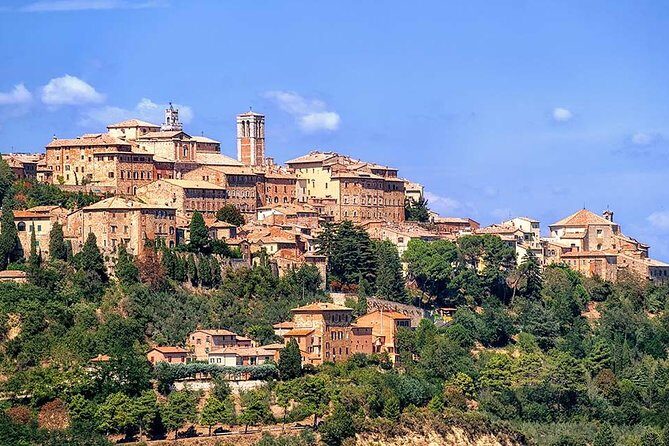
This tour is built around one big idea: you’ll see three of Tuscany’s most famous stops in a single day, with transportation handled by the operator. You’ll start from Siena around 8:30am (hotel pickup varies by season), then work your way through San Gimignano, the Chianti area (with a winery lunch and tasting), Monteriggioni as a scenic/stop point, and then Montalcino for more wine and a bit of town time. You’ll finish back in Siena the same day.
The day is also very wine-focused. It’s not just “look at vineyards.” Expect tastings at two estates, plus additional tastings (the tour lists a total alcoholic tasting of 7 types), along with snacks like local cheese and salami. There’s also olive oil and balsamic vinegar sampling, which is worth paying attention to if you like food as much as wine.
The flip side: because this is a full itinerary, you’re trading flexibility for structure. If you want slow wandering with zero rushing, this won’t feel that way.
Other Chianti wine tours we've reviewed in Siena
Price and time: 11 hours, and why the early start matters
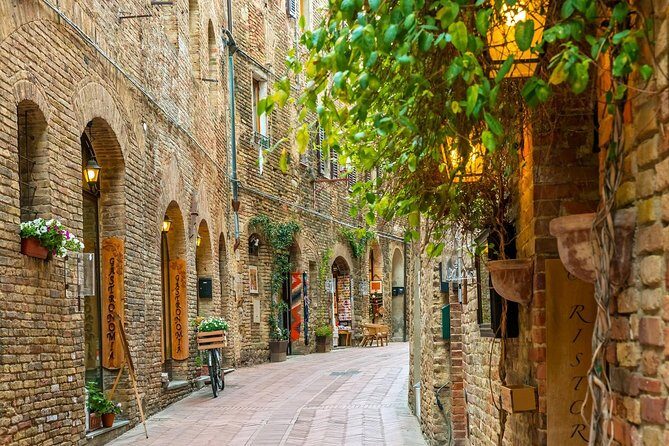
At $168.96 per person for an approx. 11-hour day, the value mostly comes from what’s bundled in: winery access, tastings, local food, and the minivan/minibus ride linking multiple hill towns. If you tried to do this on your own by public transport and taxis, you’d almost certainly spend time (and money) getting between places.
Still, the day is long. You’re doing a lot of “see, park, get off, walk, taste, get back on the vehicle” cycles. The itinerary includes several free time windows, but they’re not huge. On top of that, town businesses can be affected by the season—so the “free time” sometimes turns into more wandering and less shopping.
If you’re the type who hates early mornings, plan for it. That 8:30am departure is there so you hit places before lines and closures tighten up later.
Getting to the vans: Siena Ferrovia, pickup timing, and small-group comfort
You meet at Siena – Ferrovia (53100 Siena) and the tour staff are described as recognizable by a green shirt. The day runs with a small vehicle setup: travel is in an air-conditioned minivan for up to 8 people, or a minibus for up to 20 people.
In practice, small-group travel is a plus because you’re more likely to get closer to the action (and not feel like you’re trapped behind 40 other people). You can also spread out a bit during photo stops. Plus, many of the best experiences are tied to guides who can actually talk through what you’re seeing while you drive.
One caution: the tour is advertised as having multilingual escorts and an English experience. But your day can hinge on whether you truly have a guide in the van versus a driver who mostly drops you at stops. If that matters to you, keep an eye on the exact wording in your confirmation and consider arriving with realistic expectations for how much commentary you’ll get.
Stop 1: San Gimignano first, towers and piazzas second
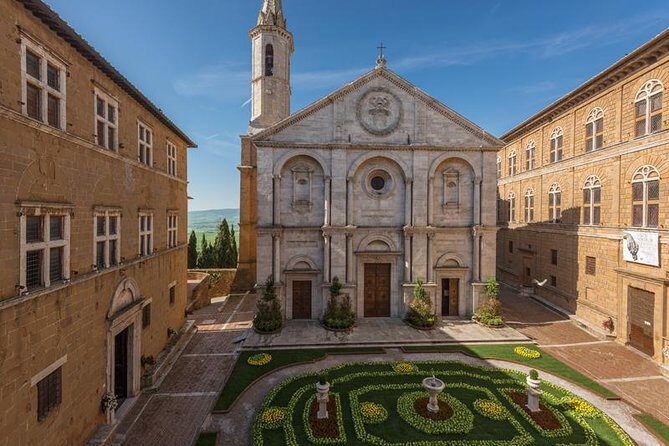
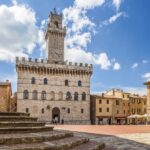
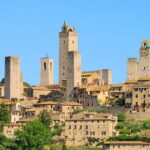
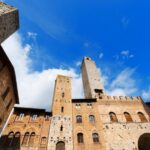
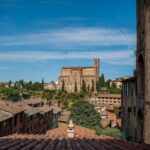
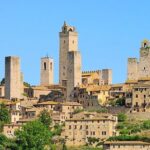
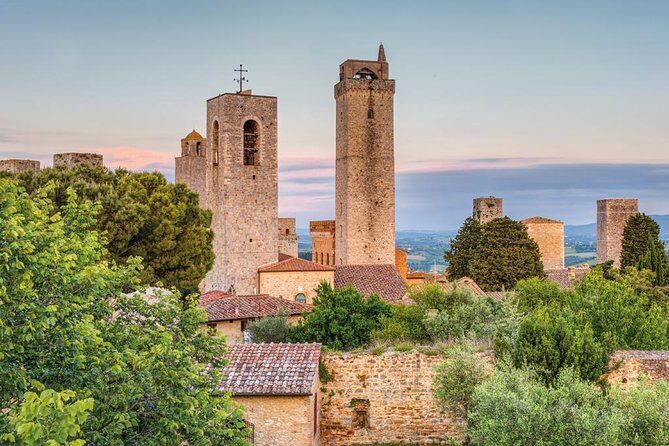
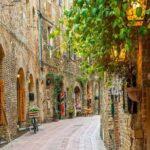
San Gimignano is the headliner in the morning, and the tour includes free time for independent wandering in the historic center. This is a UNESCO World Heritage Site, famous for its medieval towers, tight street layout, and artisan storefronts.
What I like about this stop is the pacing strategy: you’re sent here early enough that the town doesn’t feel like wall-to-wall tourism. With that head start, you can do the classic loop—main lanes, viewpoint edges, then back toward the piazzas—without feeling like you’re constantly bumping into tour groups.
There are optional add-ons listed in the schedule, including the Collegiata di Santa Maria Assunta (Duomo) (short visit) and the Palazzo Pubblico and Torre Grossa area. Those aren’t included, so if you want to go up a tower or step inside, you’ll want to plan extra time. Also remember the tour notes that you must be able to climb and descend stairs.
Practical tip: wear shoes with good grip. San Gimignano streets can be uneven, and you’ll want sure footing if you’re aiming for viewpoint walks.
Stop 2: How you’ll use the time in San Gimignano (and when shops may be closed)
San Gimignano free time comes in chunks (the schedule suggests multiple short windows). In an ideal scenario, it means you can hop between sights without feeling rushed.
But seasonal opening hours can affect what you’ll be able to do inside buildings or in shops. If you’re traveling in winter or during off-peak times, you may find fewer businesses open during the early hours or later in the day. On the other hand, early arrival can be a win for photos and relaxed walking.
If your priority is shops, tasting rooms, or climbs, do this: treat the historic walking time as the main event, and treat indoor stops as bonuses. That mindset keeps the day from turning into a hunt-and-wait mission.
Other Brunello di Montalcino wine tours we've reviewed in Siena
Chianti countryside and the winery lunch: where the day becomes food-and-wine real
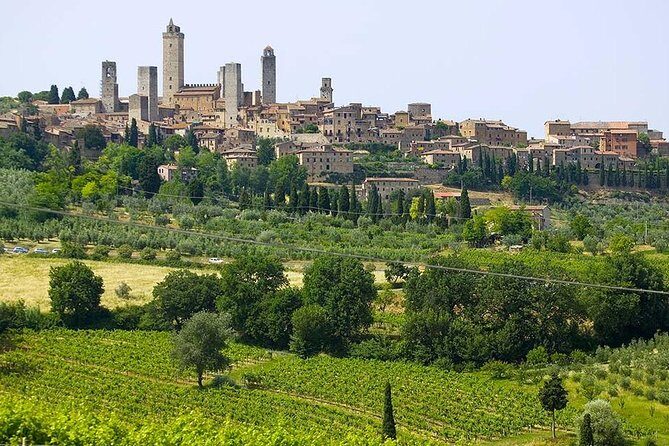
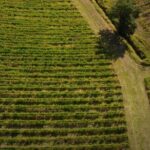
After San Gimignano, you head toward the Chianti area (the itinerary references the Strada Statale 222 Chiantigiana). This is when the “transport-only” part starts to pay off, because the countryside drive sets you up for the winery lunch and tasting.
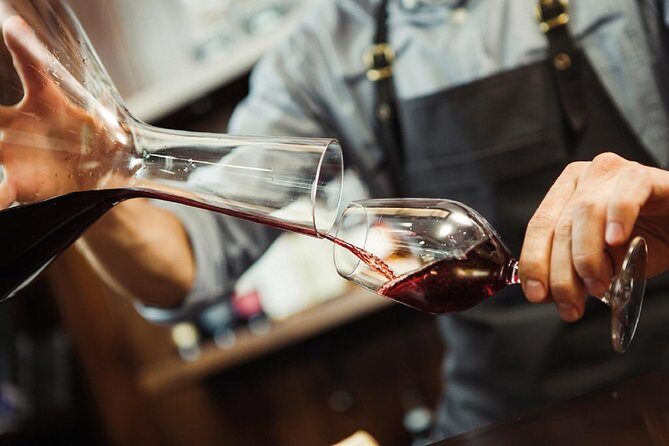
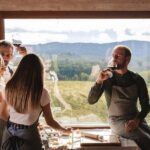
At the wine estate in Montalcino/Chianti timing (the schedule lists the winery lunch and wine tasting as included for about an hour), you’ll get a light meal—bread, cheese, and salami—paired with Chianti wine. You’ll also have the broader tasting focus here: olive oil and balsamic sampling is included, and the overall day includes the 7 types of wine tasting mentioned in the tour details.
This is the portion of the day most people feel is “worth it,” because it combines views plus food plus a guided sense of what you’re tasting. In the best-run versions, guides make this interactive: they explain why the wine tastes the way it does and what to look for when you compare pours.
The potential drawback: sometimes a lunch stop can feel like “eat quickly and move,” especially if the winery is busy or if timing shifts. If you’re hungry and want a slower sit-down meal, this won’t be your longest table time.
Monteriggioni and the fort-town feel: a quick culture hit
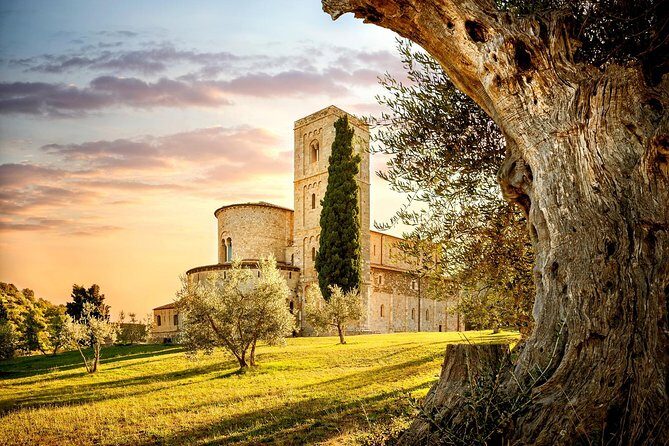
The itinerary includes a stop at Monteriggioni (listed as a historic fortress town stop). This is the kind of place where a short break can still be satisfying—because the visual impact is immediate. Stone walls, the fortress layout, and the hilltop town feel are part of why it’s on itineraries in the first place.
Because this is not your main long stop, I’d treat it like a reset: stretch legs, get a photo if the light is good, then get ready for Montalcino.
If you arrive and it’s pouring rain or it’s cold, Monteriggioni can still be atmospheric. Just don’t plan on long shopping here.
Stop: Montalcino Fortress and the Brunello experience
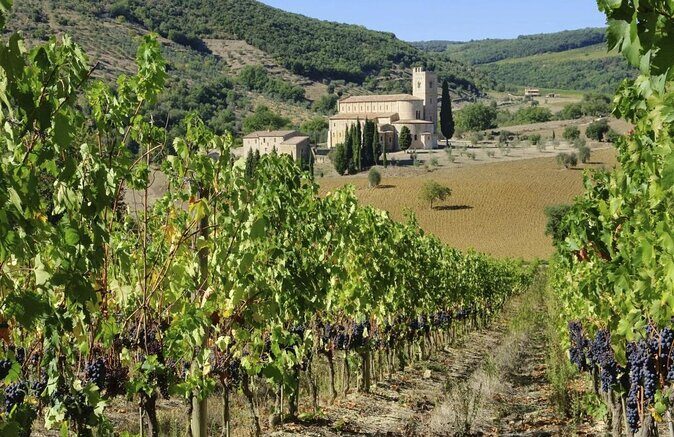
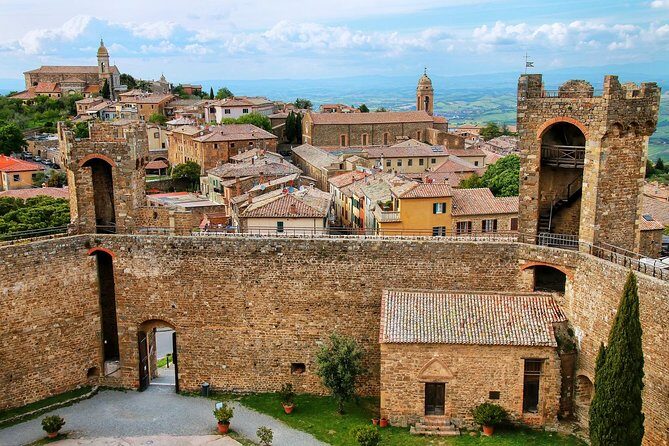
Montalcino is where the wine nerd dreams meet medieval town vibes. You’ll get about one hour of free time in Montalcino, plus winery time tied to tastings.
The schedule lists a stop connected to Fortezza di Montalcino, and the day includes tasting Brunello di Montalcino plus learning about winemaking traditions. Brunello isn’t just a label here—it’s a whole culture of aging and discipline, so this part of the day is designed to feel more serious than a quick tasting room visit.
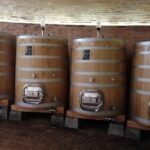
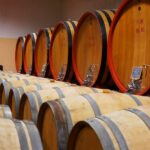
One thing to know before you go: wine tastings can take place in different kinds of spaces. Some estates are set up like visitor-friendly tasting rooms; others are working production areas where you’ll see barrels and storage and where the day’s workload may affect timing. That difference can make the same “wine estate” feel either polished or more rustic.
In the best feedback, people rave about the quality of the tasting experience and how well guides steer the group. Names that show up in strong feedback include Leda, Genty, and Giovanni, with other guides like Fabio and Daniel credited for strong commentary and photo stops.
Val d’Orcia: the viewpoint part of the day
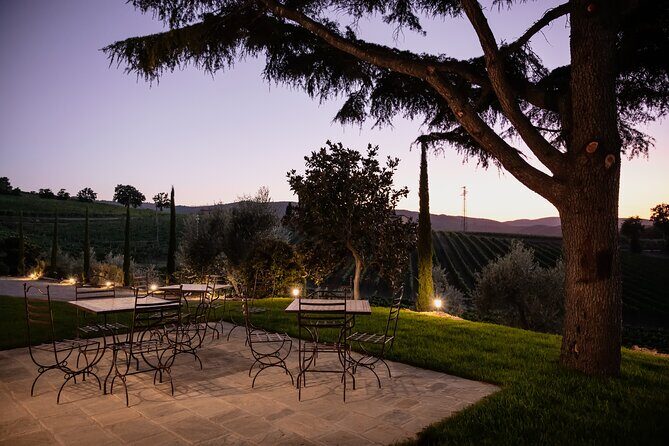
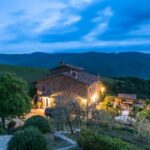
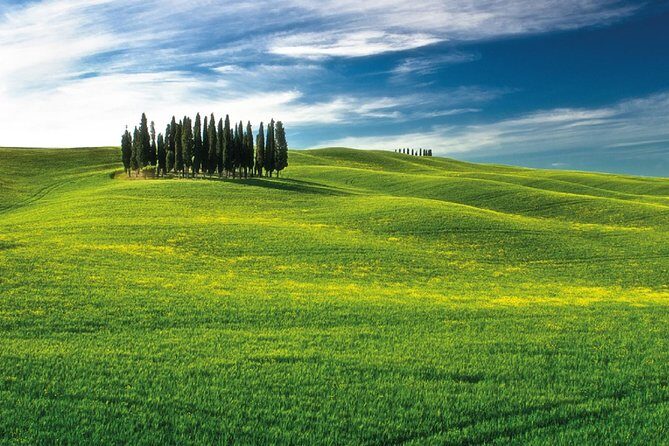
You’ll spend time in Val d’Orcia as you wrap up and start the return toward Siena. This is one of those “let the hills work their magic” stretches. You get the classic Tuscany feel: rolling ground, that postcard rhythm of cypress and curves, and a slower moment after the busier towns.
Expect this stop to be more about atmosphere and photos than about deep exploring. If you care about getting good shots, go when the group stops moving—then you’ll have a few minutes to frame and check light.
And yes, the day is long. Val d’Orcia can feel like the reward that makes the driving worthwhile.
Wine tastings, olive oil, and the food pieces: what you actually get
Here’s the practical breakdown of what’s listed as included:
- Tour of 2 wine estates, with 2 wine tastings included
- Alcoholic beverages tasting of 7 types of wine in total
- Olive oil and balsamic vinegar sampling
- Snacks/local products tasting such as bread and salami
- Lunch at the winery is part of the winery stop, with a vegetarian option available if you request it at booking
So you’re not just tasting wine once. You’re comparing multiple pours, and you’re pairing at least some of that with food.
For food lovers, the olive oil and balsamic sampling is the detail people often underestimate. It adds a different sensory lane: vinegar acidity and oil texture can make you taste wine more sharply afterward.
One caution: a few negative experiences point to timing and organization issues at wineries—like tastings feeling short or basic, or lunch details not matching what you’d expect. That doesn’t happen on every departure, but it’s the kind of risk you should factor in when choosing whether this is your “main” Tuscany day.
What can go wrong, and how to protect yourself
Let’s talk about the less-fun stuff, because a review should help you avoid a bad day.
A few recurring complaints show up in the negative feedback:
- Overbooking or group size mismatch, which can squeeze winery capacity and ruin the tasting flow
- Guide role confusion: some trips feel like a driver-led ride with limited on-the-ground guidance
- Language problems on certain departures, despite English being advertised
- Timing issues causing missed shopping or closures, especially if you’re in a season when hours are limited
- Lunch/tasting setup surprises, like being guided away from a tasting room into production areas at the last minute
How do you reduce the risk?
- In your expectations, treat “wine estate tour” as “wine + production + tasting,” not just a glossy showroom.
- If you care about walking through wine explanations at each stop, make sure your booking clearly says you’ll have an English-speaking guide/escort for the day.
- Go into San Gimignano and Montalcino expecting stairs and uneven walking, and plan your indoor wish list as optional.
And if you’re booking for a milestone trip, consider building one extra day in the region for independent flexibility. That way, even if the day runs tight, you still get a cushion.
Who this tour fits best (and who should choose something else)
This is a great fit if you:
- Want three major towns in one day without planning logistics
- Like wine tastings and don’t mind that tastings can happen in working production spaces
- Prefer small-group travel over big crowds and long waits
- Are happy with some driving in exchange for broad coverage and time-saving
It may be a weaker fit if you:
- Need a very guided, talk-everywhere experience (not just drop-off points)
- Get cranky with early starts and long days
- Want lots of shopping time inside towns (hours can vary)
The tour is also noted as suitable for most travelers, with the main limitation being that you must handle stairs.
Should you book this San Gimignano, Chianti, and Montalcino day trip from Siena?
If your top priorities are San Gimignano before crowds, a real taste of Chianti, and Brunello di Montalcino with food and olive oil/balsamic sampling, I think this tour can be a strong value. The structure makes it easy, and when the guide and winery timing line up, it turns into exactly the kind of Tuscany day you’ll remember.
But if you’re sensitive to service consistency—especially around whether you truly get an English-guided experience and enough time inside places open to the public—then be cautious. This itinerary’s success depends on timing, group size, and guide execution.
My call: book it if you want a classic, packed Tuscany day and you’re okay with “day trip energy.” Skip it if you want a slow, flexible, fully guided experience with zero surprises.
FAQ
What time does the tour start?
The tour starts at 8:30am. Hotel pickup time depends on the season.
Where do I meet for the day trip?
You meet at Siena – Ferrovia (53100 Siena, Italy).
How long is the tour?
The duration is about 11 hours.
Is the tour in English?
Yes. The experience is offered in English, and the tour lists expert multilingual escorts.
How many wine estates and tastings are included?
The tour includes a tour of 2 wine estates and 2 wine tastings, plus an alcoholic beverages tasting of 7 types of wine in total.
Is lunch included, and can I get a vegetarian option?
Lunch is part of the winery stop. A vegetarian option is available for the optional lunch, and you should advise dietary requirements at booking.
What group size is this tour?
Maximum group size is 20 travelers. Transportation can be by minivan (up to 8) or minibus (up to 20).
Is it okay if I can’t climb stairs?
No. The tour notes that customers must be able to climb and descend stairs.