REVIEW · SIENA
Small-Group San Gimignano and Volterra Day Trip from Siena
Book on Viator →Operated by Tuscan Escapes by Papilio SRL · Bookable on Viator
Tuscany hits fast on this Siena day trip. You walk part of the Via Francigena in San Gimignano and then spend the afternoon in Volterra tied to the craft tradition of alabaster.
I also like how this runs as a true small group (up to 8), so you can ask questions without shouting over a crowd. The pace is built for seeing a lot, but it’s still guided enough to make the stops feel connected, not random.
One thing to keep in mind: the day is full, and some parts of each town are time-boxed, so you may not get as long as you’d like to wander at your own speed. A few people also noted that the experience can feel a bit more stop-and-go than a continuous guided walk once you’re dropped off.
In This Review
- Key highlights you’ll actually use
- The feeling: medieval hill towns, with real craft and real food
- Getting started: meeting in Siena and the small-group setup (up to 8)
- Monteriggioni’s walls: why this hill town is a smart warm-up
- San Gimignano on foot: towers, Via Francigena, and saffron-town charm
- Walking the Via Francigena
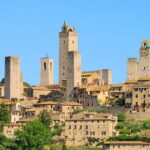
- Towers and the medieval skyline
- The church stop that surprises: Collegiata interior
- Saffron and Vernaccia: red gold and local wine
- San Gimignano 1300 museum: a short time jump
- Lunch at a farm outside town: saffron dishes and Vernaccia
- Practical note on wine
- Volterra after lunch: alabaster craftsmanship you can see up close
- Volterra’s old center: Duomo area, Etruscan layers, and slow wandering time
- Price and value: why $217.77 can make sense for this route
- When the cost might feel high
- Who this tour fits best (and who should pick something else)
- The small details that matter on the day
- Should you book this Siena to San Gimignano and Volterra day trip?
- FAQ
- Where do we meet, and what time does the tour start?
- How big is the group?
- What’s included in the lunch?
- Is hotel pickup provided?
- What language is the tour offered in?
- Can I cancel for a full refund?
Key highlights you’ll actually use
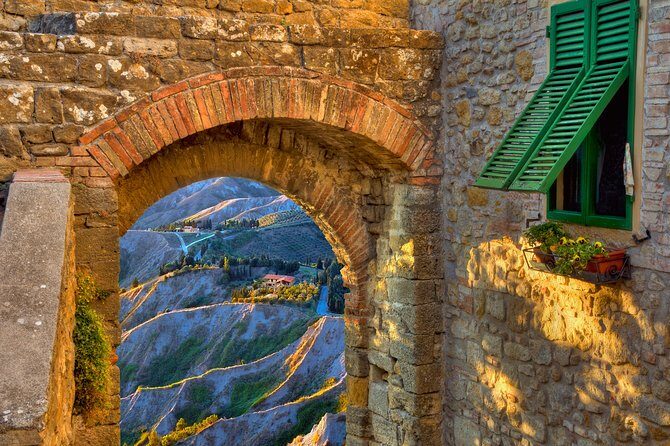
- Via Francigena in San Gimignano: a pilgrimage route that runs from medieval Europe all the way to Rome, with the path literally going through town
- Towers and medieval streets: 14 stone towers, narrow cobblestones, and viewpoints that make the hill-town vibe click
- Saffron-focused lunch at a farm: dishes made with locally produced saffron, plus Vernaccia white wine
- Volterra’s alabaster workshop: watch an older craftsman sculpt by hand and see the stone turned into finished works
- Stop in Monteriggioni on the way: a walled hill village with a 13th-century ring of defenses
The feeling: medieval hill towns, with real craft and real food
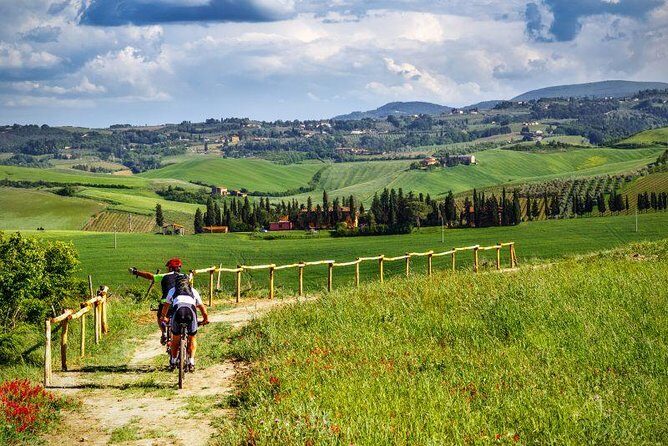
This is a day trip designed for people who want Tuscany’s classics—San Gimignano and Volterra—without dealing with a rental car, parking, or the timing headache. You start in Siena, ride through the Chianti hills, and then you’re walking on ground that’s been used for centuries, not just for photos.
San Gimignano does that “how is this real?” thing. The towers look like they were drawn onto the skyline on purpose, and walking the old streets gives you a sense of how compact life once was. Then Volterra brings you back down to earth in a different way: not just architecture, but hands-on work with alabaster—the translucent stone used for centuries in lamps, vases, and decorative pieces.
Other San Gimignano day trips we've reviewed in Siena
Getting started: meeting in Siena and the small-group setup (up to 8)
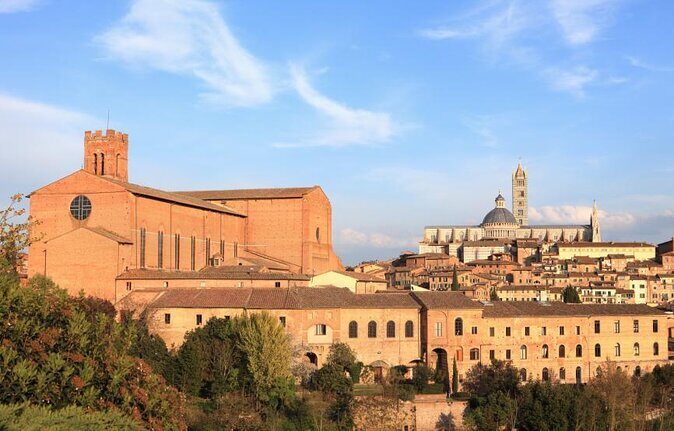
You meet your guide at Piazza San Domenico at 9:30am. This is a practical spot—easy to find, and there’s parking nearby if you’re driving into Siena for the day.
Transportation is handled for you by air-conditioned minivan, and the group size is capped at 8 travelers. That small number matters. In a small van, your guide can actually talk to you, not just read off a script. It also helps for the timing of photo stops and quick explanations before you step into the next town.
Monteriggioni’s walls: why this hill town is a smart warm-up

Before you even reach San Gimignano, you stop in Monteriggioni, a small hilltop village built like a fortress. The best part isn’t just the look—it’s walking the perimeter and realizing this was once a key defense position for Siena, aimed at threats from Florence.
You get about 30 minutes here, which is short, but enough to:
- walk and orient yourself fast
- browse small alleys and local craft/product shops
- see the town’s ring of walls and turrets up close
If you want one takeaway from Monteriggioni, it’s that it sets the tone for the day: you’re not just visiting hill towns; you’re stepping into places shaped by medieval power and survival.
San Gimignano on foot: towers, Via Francigena, and saffron-town charm
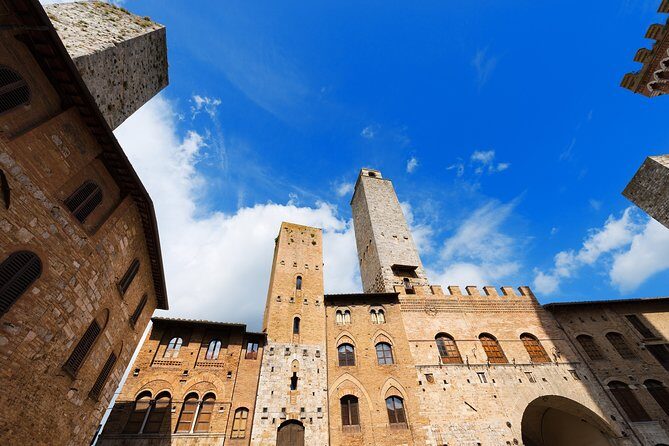
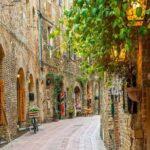
San Gimignano is the star of the morning. You spend about 1 hour exploring, and the focus is the historic core and the streets that feel made for wandering slowly—even when the schedule doesn’t allow it.
Walking the Via Francigena
One of the most memorable parts is walking down the Via Francigena, the pilgrimage route used since the Middle Ages. This route stretches all the way from Canterbury to Rome, and in San Gimignano it runs through town rather than around it.
That changes how you see the place. Instead of treating everything like an isolated postcard, you picture travelers moving through Europe—France, Switzerland, even the Alps—then arriving here as part of a long, difficult journey. Your guide connects the idea to both medieval pilgrims and how people still walk for meaning today.
Other Volterra day trips we've reviewed in Siena
Towers and the medieval skyline
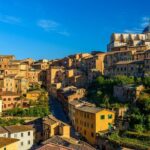
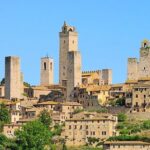
San Gimignano is known for its towers, and this version of the town is especially dramatic because 14 stone towers still shape the skyline. The guide helps you understand what that meant. In the Middle Ages, towers weren’t just decorative. They signaled family power and social standing, and you can still feel that tension in the way the towers rise so close to everyday buildings.
If you’re up for a bit of effort, you’ll also have an opportunity to ascend one tower for views. It’s optional, but it tends to make everything else click once you’re looking back at the rooftops and hills.
The church stop that surprises: Collegiata interior
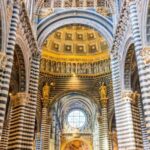
The outside of the main church area can look a bit plain at first glance. Then the interior—described as black-and-white striped Gothic—makes the whole thing feel like a reward. Even if you don’t go in, you’ll understand why people stop there.
Saffron and Vernaccia: red gold and local wine
San Gimignano is tightly linked to two local products:
- saffron (often called red gold in the region)
- Vernaccia white wine
You’ll see saffron everywhere in shops, and you’ll likely hear about how long the tradition runs. The idea here is simple: you’re not just buying souvenirs; you’re buying goods with deep local roots.
San Gimignano 1300 museum: a short time jump

After your main stroll, you add a quick stop at San Gimignano 1300, a small museum that helps you picture what the town looked like during the Middle Ages. It’s short—about 10 minutes—but it’s useful when you’re seeing medieval towers and thinking, Okay, but what did ordinary daily life look like?
This is the kind of stop that works best if you already paid attention during the walking portion.
Lunch at a farm outside town: saffron dishes and Vernaccia
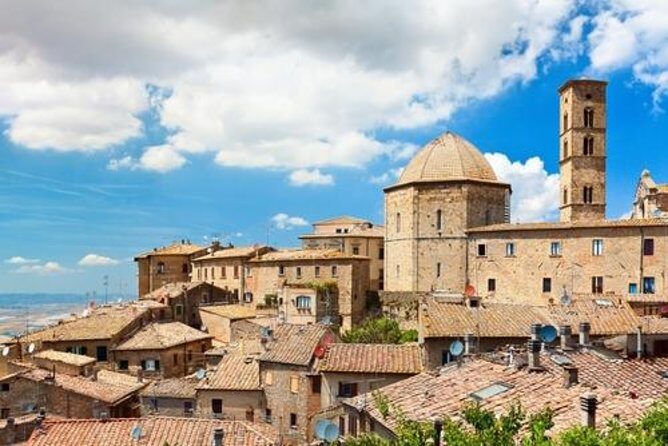
Lunch is one of the best reasons to take a guided day trip instead of trying to piece everything together on your own. You eat at a family-run farm just outside San Gimignano, and the meal is built around seasonal products from the property.
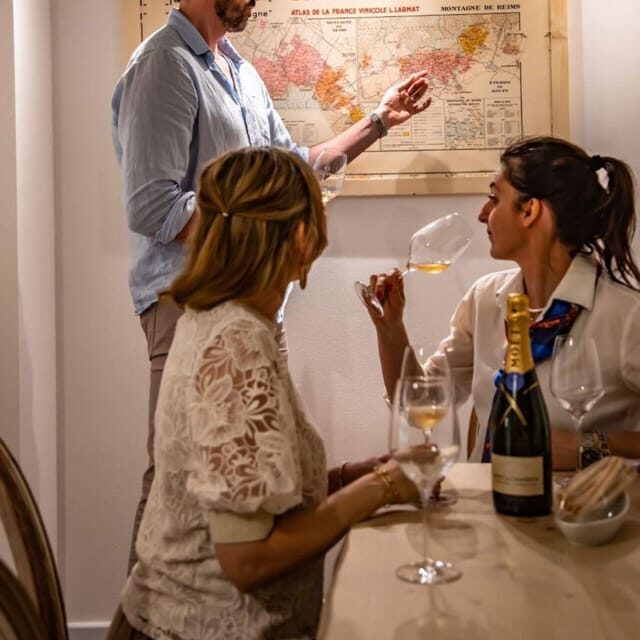
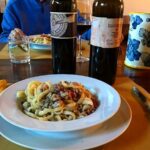
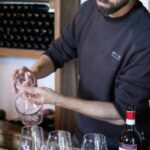
The key detail: this isn’t a generic “Italian lunch.” It’s a saffron-forward meal. You’ll taste dishes made with locally produced saffron, and the lunch is paired with Vernaccia white wine. Some menus include things like cheese and prosciutto as part of a spread, with saffron incorporated into pastas and sauces as well.
If you like food that tells a story, this is your moment. It also explains why saffron is a big deal here—this region grows it and cooks with it like it matters, not like it’s a novelty.
Practical note on wine
You’re pairing lunch with wine, so if you’re planning to have alcohol, treat the afternoon like the driving-not-you day: enjoy it, but don’t rely on yourself to handle anything beyond walking.
Volterra after lunch: alabaster craftsmanship you can see up close
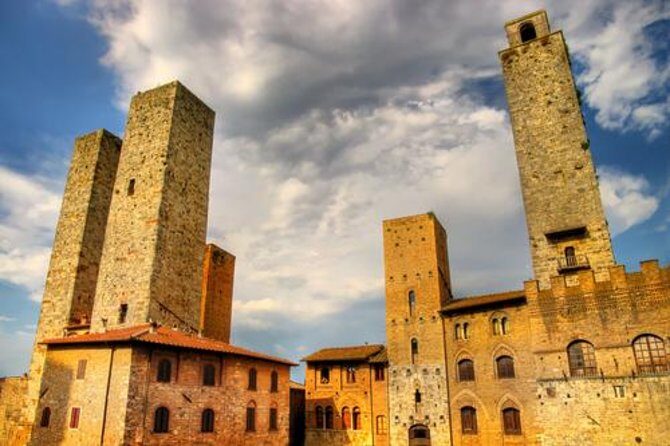
After lunch, you head toward Volterra. The ride is part of the fun—scenic roads in the Tuscan hills—then you arrive with an afternoon block of time that includes a workshop and town wandering.
The workshop visit is the standout. You’ll see an alabaster craftsman working stone by hand, and the ages mentioned in past groups put him in his early 80s range. People also talk about the experience feeling like appreciation, not a hard sell.
You’ll watch the stone work and you’ll have a chance to ask questions about the process—how the material is shaped and how the finished pieces come together. One review specifically praised meeting the craftsman and watching him work, with time to purchase items if you want.
This is the kind of stop that can make souvenirs make sense. You can look at an alabaster lamp or vase and understand what it cost in time and skill.
Volterra’s old center: Duomo area, Etruscan layers, and slow wandering time
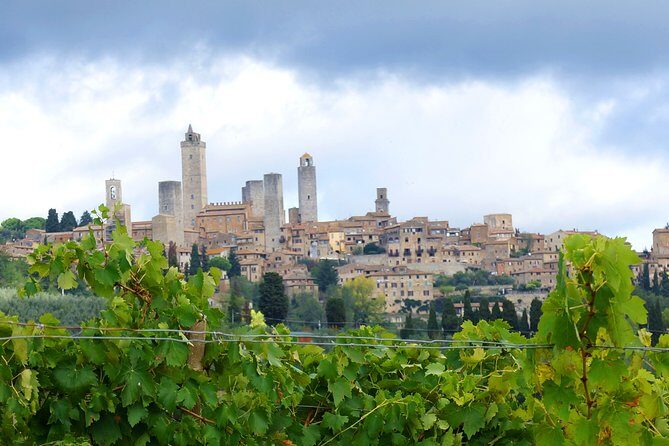
Once the workshop time is done, you get about 1 hour of leisure time in the historic center, with the Duomo di Volterra area as the anchor.
Volterra is known for a layered identity:
- Etruscan roots
- Roman remnants
- medieval and Renaissance architecture
You might spot things like an Etruscan arch and even a Roman theatre, depending on where you choose to stroll. The real point is that Volterra feels like an archaeology museum without feeling like one. Shops, churches, and streets are living parts of the town—not just background.
Price and value: why $217.77 can make sense for this route
At $217.77 per person, this isn’t the cheapest way to do San Gimignano and Volterra. But you’re paying for three things that are hard to recreate on your own in a simple way:
- Transport without stress
You’re not timing buses between hill towns, and you’re not parking. The van also keeps the day together.
- Lunch included, built around local saffron and wine
Food like this is often the difference between a basic sightseeing day and a day you remember. The lunch isn’t just included; it’s themed around local products that define the region.
- A real craft visit
The alabaster workshop gives you a story you can’t get from a drive-by. Watching a craftsman work and asking questions adds meaning fast.
When the cost might feel high
If you’re the type who wants long, independent wandering time and no structured stops, you may feel the schedule is tight. A few people also felt the day was efficient rather than deeply guided in every single moment. If that’s you, plan to pick a couple of anchor moments and accept that the rest is a taste, not a marathon.
Who this tour fits best (and who should pick something else)
This day trip is a great match if you want:
- small-group structure (max 8)
- a guide who adds context without dragging the day out
- a saffron-focused lunch experience
- a hands-on visit tied to Volterra’s alabaster craft
It may be less ideal if you:
- hate “show up, walk, move on” pacing
- need long time in each town for unhurried browsing
- get uncomfortable in tight seating (a couple of notes mention the van can be cramped, especially for taller passengers)
The small details that matter on the day
A few practical things from how this runs:
- Start time is 9:30am at Piazza San Domenico, so build in a little buffer for getting there calmly.
- The group stays small, but the van has limited space. If you’re sensitive to cramped seating, pick a seat where you can hear the guide’s talk.
- The timing is built to fit multiple stops, so come ready to see, not to linger for hours. A couple of comments pointed out that the pace can feel brisk.
Guide names that have come up for this specific route include Guglielmo, Georgia, Matteo, Keko, Guillermo, William, Marco, and Juliana—and across those experiences, the common thread is that the guides connect the day’s stops with local stories and context.
Should you book this Siena to San Gimignano and Volterra day trip?
Yes, if your goal is to cover the classics with good guidance, a meaningful lunch, and a craft workshop that’s more than a photo-op. I especially think this is worth it when you want saffron and alabaster as part of your Tuscany story, not just as items in shop windows.
Skip it (or consider a different format) if you want long free time in just one town, or if you hate any sense of time boxing. This is a full day that prioritizes variety over slow wandering.
If you book, pick shoes you can walk in, bring a light layer for comfort, and go in ready to focus on the big themes: pilgrimage streets, medieval towers, saffron lunch, and alabaster craftsmanship. That’s where this day trip pays off.
FAQ
Where do we meet, and what time does the tour start?
You meet at Piazza San Domenico in Siena at 9:30am. The tour ends back at the meeting point.
How big is the group?
This experience has a maximum group size of 8 travelers.
What’s included in the lunch?
Lunch is included, served at a family-run farm. The meal includes local seasonal foods, and you’ll taste dishes made with saffron along with Vernaccia white wine.
Is hotel pickup provided?
No. Hotel pickup and drop-off are not included, and the tour starts at the meeting point in Siena.
What language is the tour offered in?
The tour is offered in English.
Can I cancel for a full refund?
Yes. You can cancel up to 24 hours in advance for a full refund. If you cancel less than 24 hours before the start time, the amount paid is not refunded.