REVIEW · SIENA
San Gimignano and Volterra: Day Tour from Siena
Book on GetYourGuide →Operated by Tuscan Escapes by Papilio · Bookable on GetYourGuide
Tuscany does towers and alabaster in one day. This San Gimignano and Volterra day tour from Siena packs medieval views, Etruscan-Roman history, and an actual alabaster workshop stop into a tight 8 hours. You’ll also get a bonus fortress stop at Monteriggioni, which helps the day feel like more than two towns.
I especially like how the day is built around lived-in craft and local food, not just photo stops. The lunch on an organic farm comes with seasonal ingredients and saffron flavors, plus Vernaccia wine, so you’re eating what Tuscany actually produces.
One drawback to plan for: the vehicle is a small one, limited to 8 participants, and it can feel a bit tight on a full day of riding with everyone packed in.
In This Review
- Key things I’d circle before you book
- How the Siena-to-San Gimignano-and-Volterra route actually feels
- Getting going: meeting at San Domenico Basilica (and no hotel pickup)
- Monteriggioni fortress: the quick medieval reset
- San Gimignano: the Town of Fine Towers (and why the story matters)
- The farm lunch: saffron, seasonal produce, and real Tuscan rhythm
- Volterra: from Etruscans and Romans to medieval and Renaissance streets
- Alabaster workshop in Volterra: watch craft, not just listen
- Price and value: what you’re really paying for
- Who this tour suits best (and who should think twice)
- Practical tips to make the day easier
- Should you book the San Gimignano and Volterra day tour from Siena?
- FAQ
- How long is the San Gimignano and Volterra day tour from Siena?
- Where does the tour start and end?
- Is there hotel pickup?
- What’s the group size?
- What’s included in the price?
- Which towns or stops are visited during the day?
- What are the lunch and drink highlights?
- Is the tour available in English?
Key things I’d circle before you book
- UNESCO San Gimignano tower skyline with time to wander and browse artisan boutiques
- Monteriggioni fortress stop for a quick, well-preserved 13th-century look at medieval defense
- Organic farm lunch with saffron and Vernaccia that turns food into a lesson, not just a meal
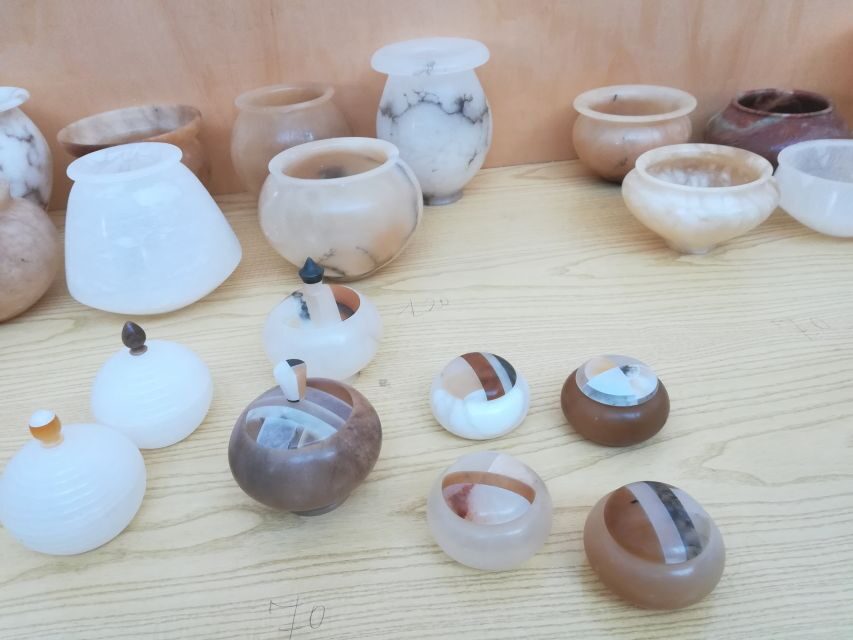
- Volterra alabaster workshop visit where you can see sculpting craft up close
- Small group size (max 8), which makes questions and conversations actually possible
- English-speaking expert guide who can explain what you’re looking at, from towers to Etruscan roots
How the Siena-to-San Gimignano-and-Volterra route actually feels
This is an all-in-one day that works best if you want a guided hit of multiple hill towns without the hassle of driving yourself. You start at San Domenico Basilica in Siena, and you end back at the same meeting point, so you’re not doing transfers or hunting for train times.
The timing is built around moving efficiently: Siena → Monteriggioni → San Gimignano → an organic farm lunch → Volterra → back to Siena. In practice, that means you’ll spend enough time in each place to feel the vibe, but you won’t have the luxury of wandering off for hours on your own. If you’re the type who likes to linger, I’d still book—then keep your “slow stroll” expectations realistic.
This tour fits best for:
- First-timers in Tuscany who want the highlights with context
- People who care about food, wine, and craft (not only monuments)
- Travelers who prefer small-group pacing over a big bus shuffle
Other San Gimignano day trips we've reviewed in Siena
Getting going: meeting at San Domenico Basilica (and no hotel pickup)
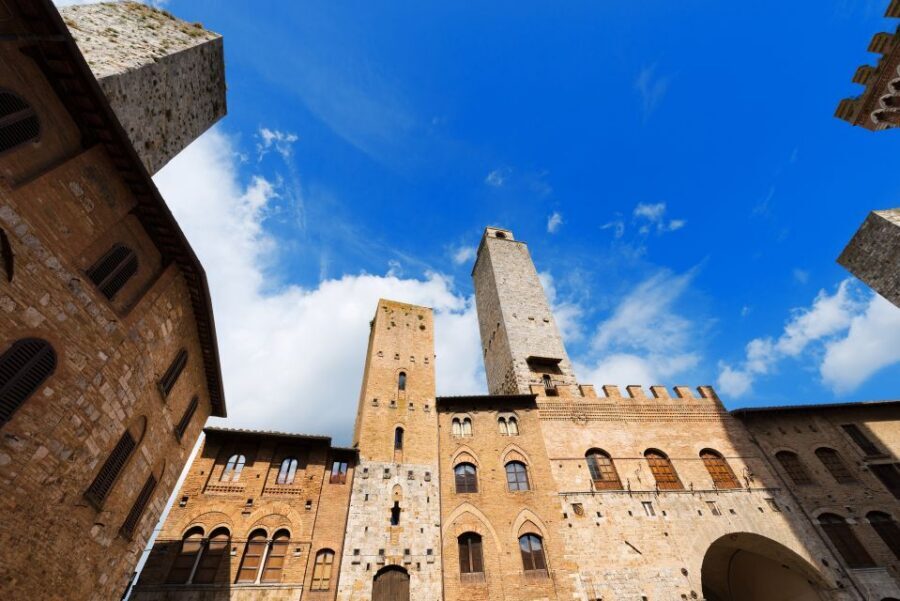
You’ll meet at San Domenico Basilica in Siena. There’s no hotel pickup, so you’ll want to build a little margin to get there—Siena’s streets can be charmingly confusing, especially if you’re juggling a phone map and cobblestones.
You’re riding in an air-conditioned vehicle, and the group is limited to 8 participants. That’s a win for conversation and comfort, even though the van can still feel crowded once everyone is seated for a long day. My advice: pack like it’s a day hike—small bag, water, and a light layer—so you don’t constantly reorganize your stuff.
Monteriggioni fortress: the quick medieval reset

Before you hit San Gimignano, you’ll stop in Monteriggioni. The reason this stop works so well is simple: it gives you a visual anchor for what these hill towns were fighting for. You see the well-preserved 13th-century fortress built to defend the area, and it helps you understand why later places (like San Gimignano) look the way they do.
What to do here:
- Take a few photos, then slow down and look at the walls as part of the town layout
- If you’re listening closely, the guide’s explanation will connect Monteriggioni’s defenses to the tower culture you’ll see next
Even if this stop feels short on paper, it changes your perspective once you reach San Gimignano.
San Gimignano: the Town of Fine Towers (and why the story matters)
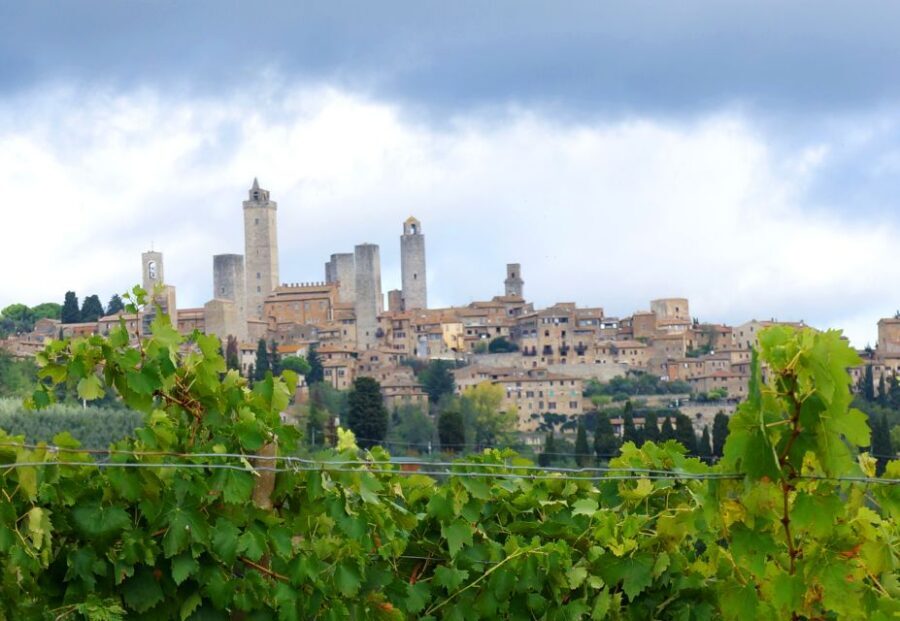
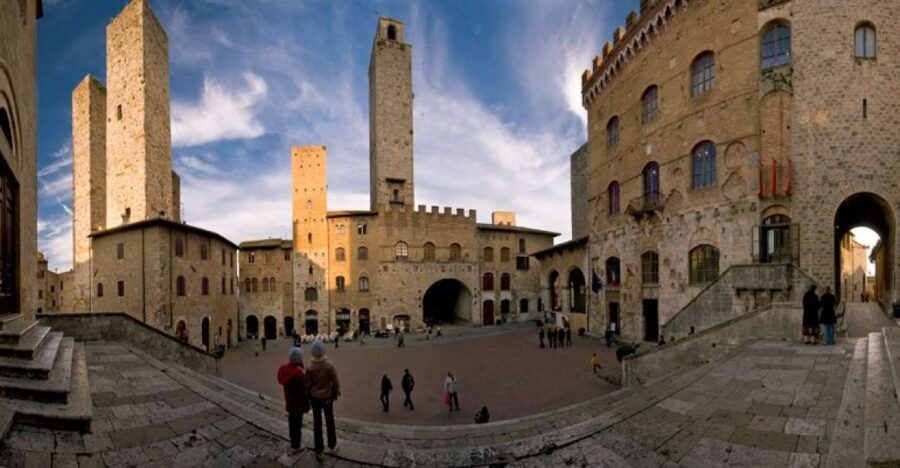
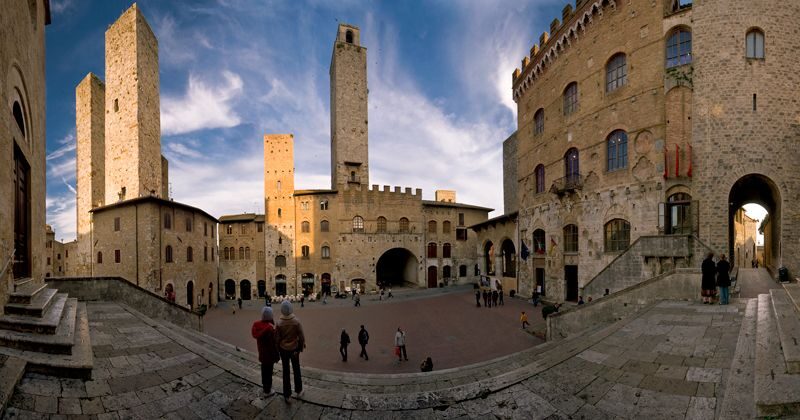
San Gimignano is famous for its towers, and this tour doesn’t treat them like random skyline props. You’ll learn about the conflicts and triumphs that shaped the town—basically, why so many towers sprouted in the first place and what they were signaling to rivals.
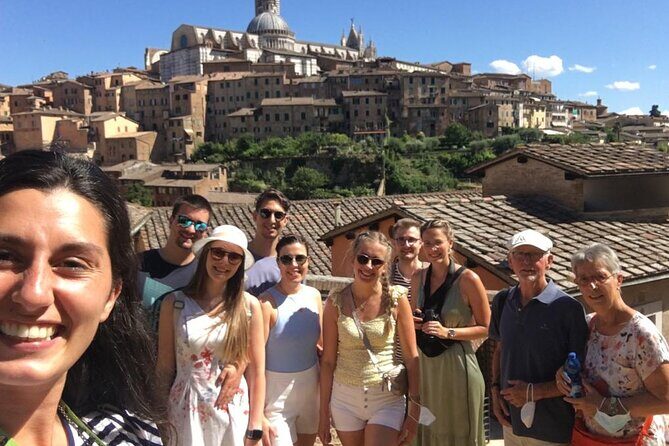
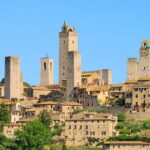
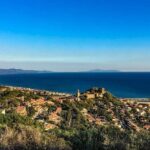
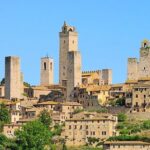
Then you get the fun part: walking through San Gimignano’s medieval streets, admiring the tower skyline and browsing artisanal boutiques. The town is also listed by UNESCO, and you can feel why. It’s not just a pretty view; it’s a concentrated medieval town layout that’s still readable today.
Practical notes so you enjoy it more:
- Wear comfortable shoes. Old-town stone + time on your feet = sore calves if you show up in thin sandals
- Budget your tower time. You’ll want a few minutes of “just look at the skyline” plus time to walk streets, not only chase the biggest view
If you like cities with a story, San Gimignano is where the day starts to feel meaningful.
The farm lunch: saffron, seasonal produce, and real Tuscan rhythm
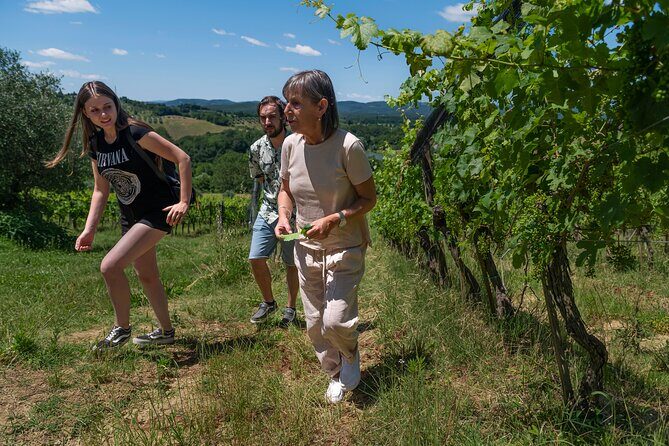
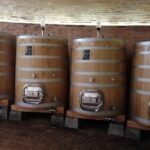
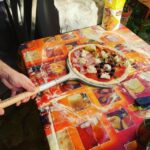
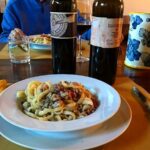
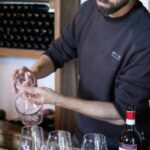
Lunch is one of the strongest parts of this tour because it’s not a generic meal. It’s a home-cooked lunch at an organic farm, made with seasonal products. You’ll taste dishes that feature saffron, and the meal is accompanied by Vernaccia wine—a local classic that belongs in any Tuscany food conversation.
This is also where the day shifts from “see sights” to “understand land.” In conversations on similar farm lunches, you often hear about how agrarian life connects to what ends up on the plate. Here, that kind of discussion fits the setting: saffron growing, seasonal decisions, and wine culture.
What makes this lunch feel like value (not just a cost add-on):
- You’re getting a guided, built-in cultural meal experience
- You’re not spending time hunting for food in a busy town
- You taste local flavors that match the region you’re traveling through
If you’re sensitive to timing, this is a good moment to reset. Take your time with lunch because the day’s second half has you moving again to Volterra.
Other Volterra day trips we've reviewed in Siena
Volterra: from Etruscans and Romans to medieval and Renaissance streets
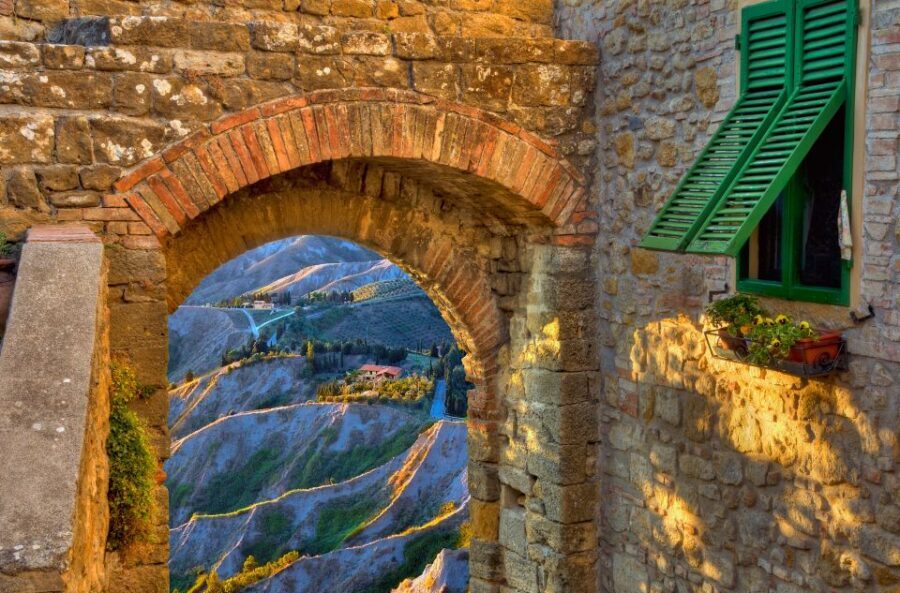
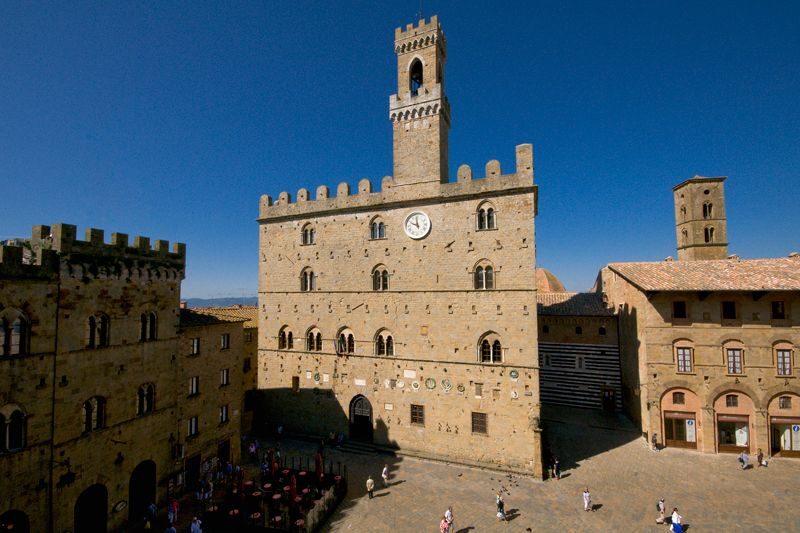
After lunch, the tour heads to Volterra, where the historic center is described as a harmonious blend of Etruscan, Roman, Medieval, and Renaissance styles. That’s a fancy way of saying you can see layers of time without needing a museum ticket to make sense of it.
You’ll enjoy walking the streets of the historic center and soaking in the mix of architectural eras. Even if you don’t consider yourself a “history person,” Volterra’s street feel does the work: the shape of buildings, the street lines, and the overall scale help you understand how a town grows and rebuilds over centuries.
Alabaster workshop in Volterra: watch craft, not just listen
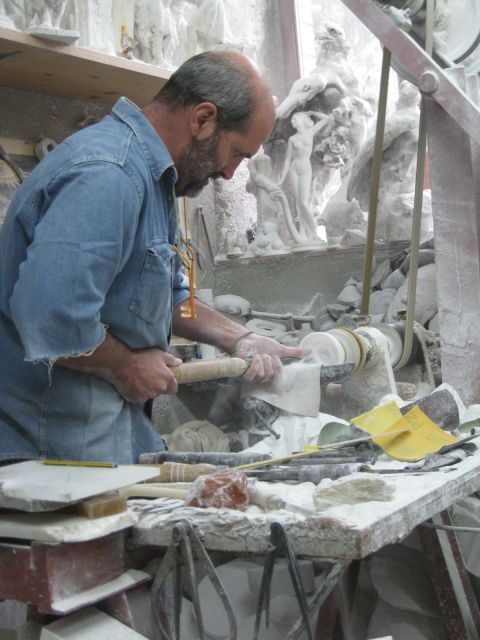
The other star of Volterra is the alabaster workshop visit. You’ll see a sculptor at work and learn about the ancient art of sculpting alabaster. This matters because alabaster is not a casual souvenir topic; it’s a material with a long local tradition tied to Volterra’s identity.
In the best workshop experiences, you notice things you’d never guess from finished objects:
- How the material is handled
- The patience it takes to shape it
- The difference between raw stone and a refined piece
You also get an extra layer of satisfaction because you’ve just spent time walking Volterra’s old streets. The workshop feels like it belongs to the town, not like a separate stop.
A nice bonus you may get depending on timing and the guide: some tours include extra viewing time in the area around the main stops, and the guide will often suggest small perspective points so you can experience both the craft and the town views.
Price and value: what you’re really paying for
At $203.91 per person for an 8-hour day, this tour can look “not cheap” at first glance. But when you break it down, the price starts to make sense because several costly pieces are bundled:
- Round-trip transportation in an air-conditioned vehicle
- English-speaking expert guide for multiple towns and interpretation
- Admission-free, guided craft time at an alabaster workshop (experience included)
- A real lunch at an organic farm with saffron dishes and Vernaccia wine
If you tried to copy this day on your own, you’d likely spend time and money on logistics (car/driver or multiple public connections), plus you’d still want a guide to explain why tower counts and historical layers matter.
This is a “pay for convenience + buy access to locals” kind of price. If that matches how you like to travel, it’s a strong deal.
Who this tour suits best (and who should think twice)
You’ll likely love it if:
- You want a guided, small-group day through San Gimignano and Volterra
- You enjoy food that teaches something (saffron and farm lunch)
- You’re curious about craft and materials, especially alabaster
- You prefer structured time over planning every stop yourself
You might think twice if:
- You hate cramped vehicle seating and long ride days
- You want deep, slow exploration in just one town (this is multi-town by design)
- You need hotel pickup (you’ll be responsible for getting to San Domenico Basilica)
Practical tips to make the day easier
A few small moves make a big difference on a packed day like this:
- Bring a water bottle. You’ll be walking and riding for hours.
- Wear shoes you can trust on cobblestones.
- Have a light layer for the ride and for evening shadows in old towns.
- If you’re shopping for artisanal items in San Gimignano, plan how you’ll carry them—bags can add up fast once you start browsing.
Also, since your group is limited to 8 participants, be ready to ask questions. The guide’s job is to connect what you see—towers, fortifications, workshop craft—to the bigger story of the region.
Should you book the San Gimignano and Volterra day tour from Siena?
I’d book this tour if you want the best combo of scenery, story, and hands-on culture without self-driving stress. The biggest draw is the balance: San Gimignano’s tower world, Volterra’s layered history, and a lunch that’s actually part of the region (organic farm food with saffron and Vernaccia).
If you’re the type who will enjoy a well-paced day with a small group and a guide who can explain what you’re looking at, you’ll get your money’s worth. Just go in knowing it’s a full 8 hours, and plan to be flexible once you’re moving from town to town.
FAQ
How long is the San Gimignano and Volterra day tour from Siena?
It lasts 8 hours.
Where does the tour start and end?
It starts at San Domenico Basilica in Siena and ends back at the same meeting point.
Is there hotel pickup?
No, hotel pickup is not included.
What’s the group size?
It’s a small group with a maximum of 8 participants.
What’s included in the price?
You get a home-cooked meal at an organic farm, an alabaster workshop visit, an English-speaking expert guide, and transportation by air-conditioned vehicle.
Which towns or stops are visited during the day?
You’ll see Monteriggioni, San Gimignano, and Volterra.
What are the lunch and drink highlights?
Lunch is made with seasonal products and includes dishes prepared with saffron, along with Vernaccia wine.
Is the tour available in English?
Yes. The guide provides the tour in English.