REVIEW · SIENA
Siena’s Ultimate Food Tour: Full Tuscan Meal by Do Eat Better
Book on Viator →Operated by Do Eat Better Experience · Bookable on Viator
Food in Siena should be easy to get right. This Do Eat Better tour uses a simple plan: a small group, a guided walk, and full Tuscan tastings that explain what you’re eating and why it matters. I like that it starts from the city’s pulse, so you learn the food culture of Siena while you’re actually seeing where locals gather.
My other big draw is the food-and-wine sequence. You’ll work through classic Sienese staples—pecorino made from sheep’s milk, cured meats, pici with cacio e pepe (or a wine-infused version), pappa senese, and ricciarelli—paired with Tuscan wine during the walk. One thing to keep in mind: guides may switch between English and Italian, and depending on the day and accents, you may need to focus to catch every detail.
In This Review
- The Piazza Salimbeni Start: Where Siena’s Eating Culture Comes Alive
- The Chopping Board Pour: Pecorino and Cured Meat, Properly Explained
- A small but practical tip
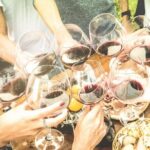
- Wine While You Walk: How to Taste Beyond the Usual Guesswork
- Pici Time: Cacio e Pepe (Plus the Wine-Flavor Twist)
- Why this stop is worth it
- Pappa Senese: The Comfort Dish You Might Have Missed
- Ricciarelli and Coffee: The Sweet Finish That Makes Sense
- What to expect beyond the written courses
- Walking Through Siena’s Food Map: Landmarks, Districts, and the Palio
- Small Group Size: Why 12 People Changes Everything
- Price and Value: What $88.32 Actually Buys You
- Who Should Book This Siena Food Tour (and Who Might Not)
- Should You Book This Tour?
- FAQ
- How long is the Siena food tour?
- Where does the tour start?
- Is the tour offered in English?
- What food and drinks are included?
- What are some of the dishes you’ll taste?
- How big is the group?
- Is pickup or private transportation included?
- FAQ
- What’s the cancellation policy?
- How will I get the tour details?
- Is it near public transportation?
- Is the tour suitable for most people?
- Do guides speak only English?
- What if the tour is canceled for not enough people?
- Do I need to worry about the route being too complicated?
The Piazza Salimbeni Start: Where Siena’s Eating Culture Comes Alive
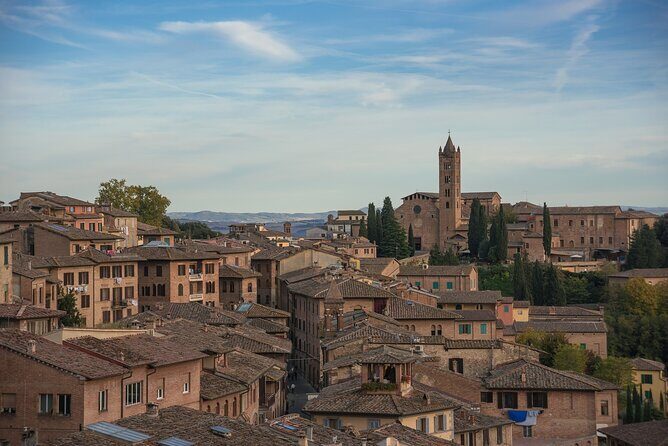
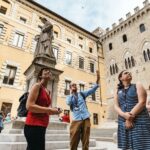
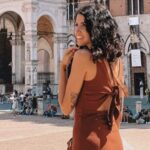
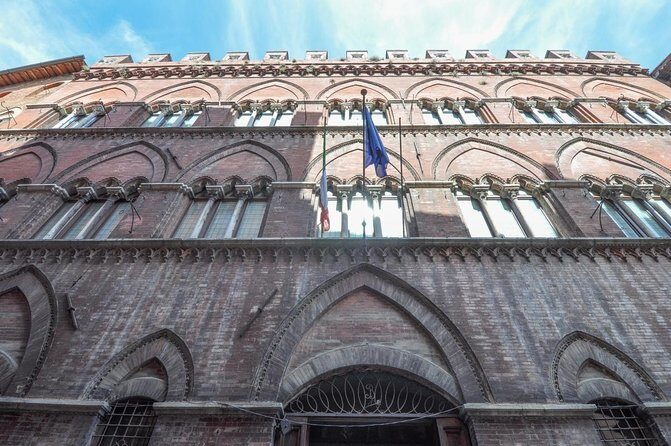
You meet at Piazza Salimbeni 4-3 in Siena, and that matters more than it sounds. This is a practical starting point for a walk through the historic center, and it sets the tone fast: you’re not hopping between random eateries, you’re building a story from the city outward.
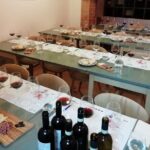
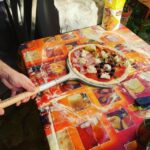
You’ll gather in a welcoming local setting around a traditional Sienese chopping board. That’s not just a clever prop—it’s the kind of shared table moment that explains how Tuscan food often works: you eat together, you talk while you chew, and the menu grows through conversation as much as it grows through courses.
The pace is relaxed on purpose. With a maximum of 12 people, you get time for questions and real back-and-forth instead of a rush-and-go factory tour. In the best reviews, guides like Jacopo/Jacobo, Sandra/Sondra, Valentina, and Alexandra/Alessandra are called out for bringing the city to life while still keeping the meal moving.
The Chopping Board Pour: Pecorino and Cured Meat, Properly Explained
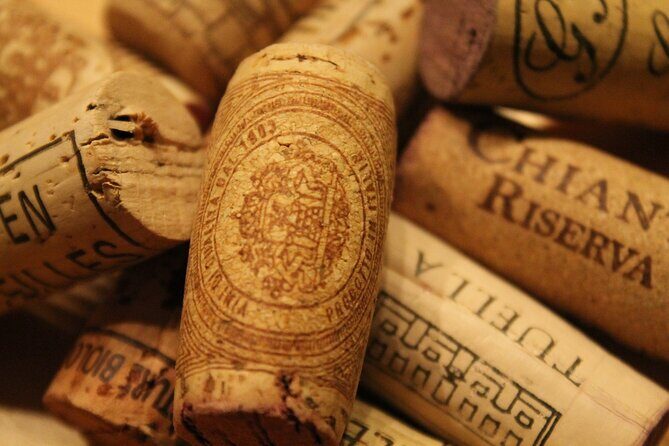
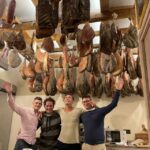
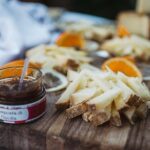
The heart of the tour is the classic Tuscan “board moment”: cured meats and sheep’s milk pecorino cheeses, set around that chopping board centerpiece. You don’t just get bites—you get context about what you’re tasting.
Here’s what this stop does well for you:
- It gives you a starting map for Tuscan flavors (salt, fat, aged notes, and seasonal changes).
- It helps you understand how differences in land, climate, and time change the character of salumi and cheese.
On the board, you can expect a range: delicately seasoned salumi through to aged cheeses with deeper aromas. In other words, this isn’t one-note cheese tasting. It’s a small education in how aging changes flavor, and why “local” in Tuscany is not just a label—it’s a set of conditions that shapes the product.
Other Siena food tours we've reviewed in Siena
A small but practical tip
Go in ready to slow down. This isn’t a marathon. If you’re the type who tries to swallow everything before the next photo, you’ll miss the point. Let the flavors sit on your tongue for a second before you move on.
Wine While You Walk: How to Taste Beyond the Usual Guesswork
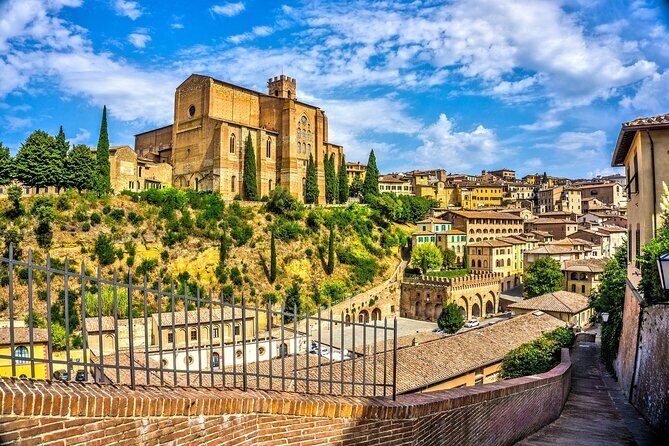
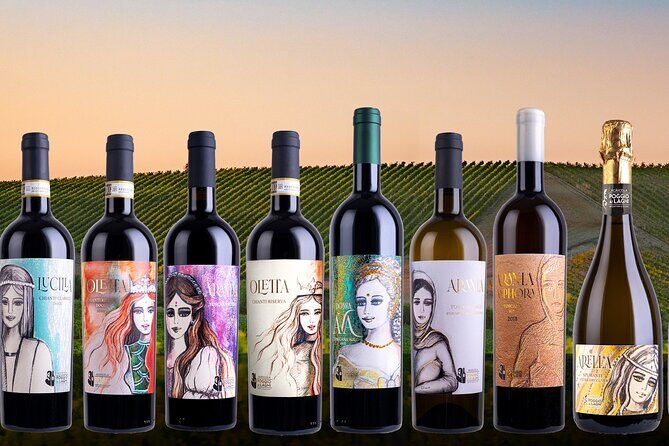
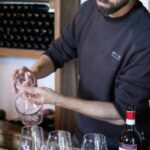
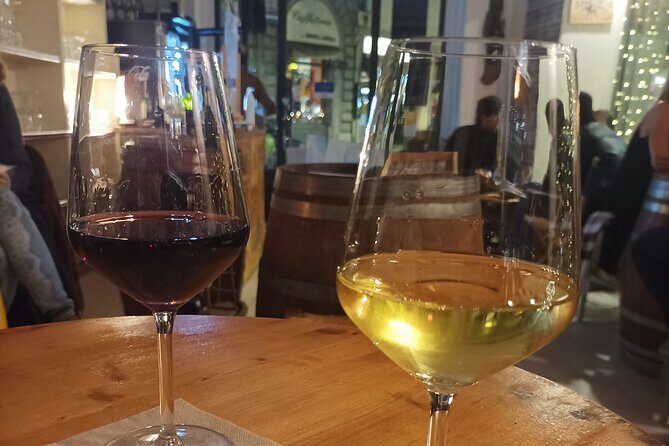
In Tuscany, wine is not a side quest. It’s part of everyday life, and this tour treats it that way by pairing carefully selected local wines with the food tastings.
The tour also gives wine explanations during the walk. One of the strongest bits of feedback highlights that the guide explained how wine in Italy is classified and rated, clearly enough that it actually helps you the next time you open a menu.
This is what you should take away for your own trip:
- You’ll start noticing differences tied to grape variety, soil, and winemaking traditions.
- You’ll learn what to look for in pairing—how the wine supports the saltiness of cheese and the richness of cured meats.
Also, you’ll get at least one alcoholic beverage included (for participants 18+). Even if you don’t drink much, you can still learn from the guide’s explanations about why each pour fits the food.
Pici Time: Cacio e Pepe (Plus the Wine-Flavor Twist)
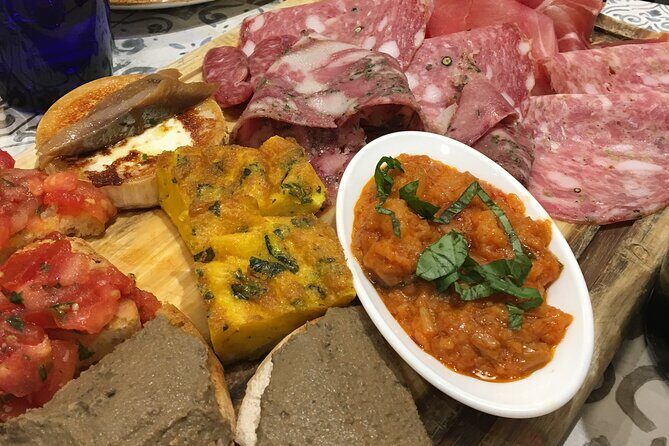
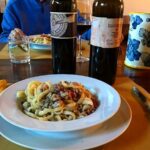
Next up is the main-course moment: pici cacio e pepe. This is a Tuscan classic—thick, hand-rolled pasta with a rich blend of pecorino and black pepper.
The tour also notes an alternative: pici prepared with wine. That’s a clever detail because it shifts the flavor profile. You’re still in the Tuscan lane, but the sauce ends up feeling a bit more layered and savory instead of purely pepper-and-cheese intense.
Why this stop is worth it
Pasta is where many food tours get sloppy. Either you’re served something generic, or you’re fed fast with no context. Here, the emphasis stays on the Tuscan identity of the dish: pecorino, pepper, and the local ingredient logic that ties the meal together.
If you’re trying to order in a restaurant later, you’ll likely feel more confident. You’ll know what cacio e pepe means in practice, and you’ll understand why pecorino is the glue holding the flavor together.
Other food & drink experiences in Siena
Pappa Senese: The Comfort Dish You Might Have Missed
For many first-timers, pappa senese is the “surprise” course. It’s a rustic recipe passed down through generations, and it’s served as its own starter/meal step during the tour.
This stop also helps you connect dots. Tuscany has plenty of tomato-based comfort food, but pappa senese is different from the more famous pappa al pomodoro. You’re still getting that hearty, spoon-friendly feeling, but with the Sienese twist that sets it apart.
The practical win: you’ll leave with a dish name you can actually look up later, not just a vague memory of pasta and cheese.
Ricciarelli and Coffee: The Sweet Finish That Makes Sense
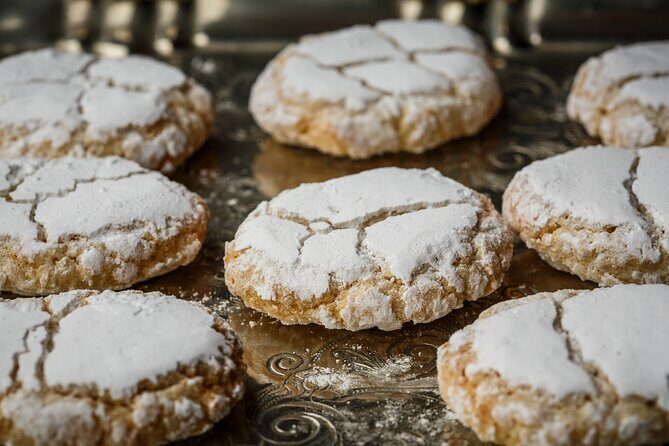
No Tuscan meal is complete without something sweet, and here the dessert is ricciarelli. These are sugar-coated marzipan biscuits shaped like little rice grains, with a crackled crust and a soft, grainy center.
It’s a dessert that feels designed for the full meal. The sugar coating meets the almond-marzipan texture, and the contrast works after cured meats, peppery pasta, and hearty soup.
Coffee and/or tea are included, too. That matters because it turns the ending into a proper sit-down finish instead of a “grab something and run” situation.
What to expect beyond the written courses
The tour is described as including lunch, snacks, coffee/tea, and wine. In past experiences tied to this tour style, some schedules have included additional stops like gelato, cappuccino, and even a limoncello-style finish when it’s available. So even if you focus on the course outline, expect the total experience to feel more like a sequence of tastings than a single plated meal.
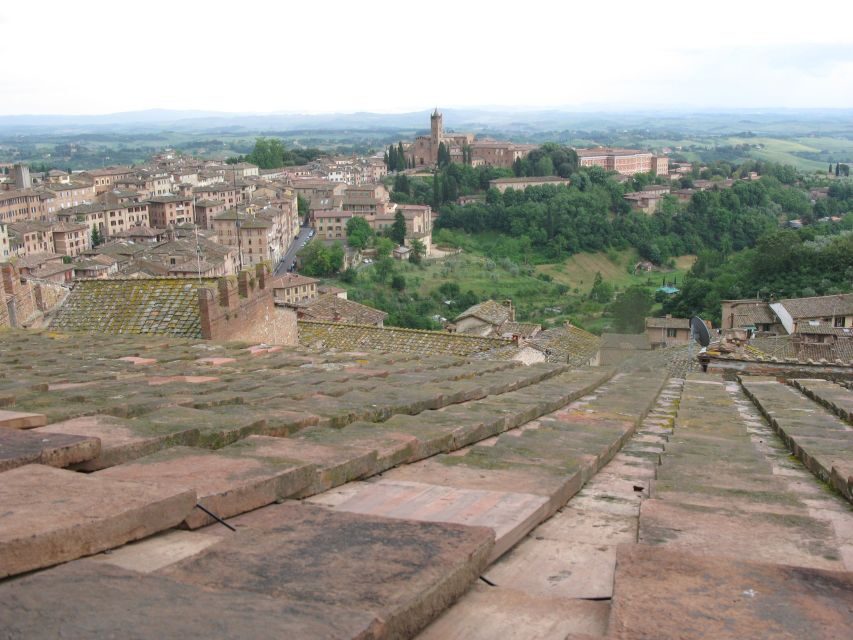
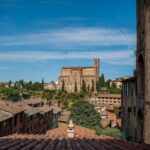
Walking Through Siena’s Food Map: Landmarks, Districts, and the Palio
This tour isn’t only about eating. It’s also about learning where food culture fits into Siena’s city structure.
From guide explanations, you may hear about:
- Siena’s 17 districts
- the Palio (Siena’s famous horse race)
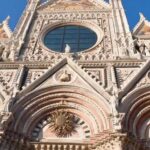
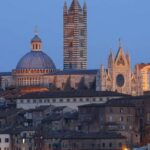
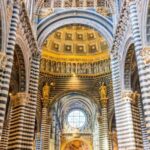
- landmarks such as the Cathedral and the Basilica
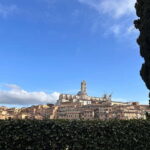
The best part is how the walk supports the meal. A food tour can become random restaurant hopping. This one keeps connecting the food to the city’s identity—how people organize life by district, how traditions show up in public spaces, and how big events shape everyday pride.
And yes, you can get moments that feel almost too real. One set of feedback described an impromptu series of celebratory singing by local patrons during a stop. That’s the kind of Siena texture you can’t schedule, but you often feel it when you’re in the right places at the right time.
Small Group Size: Why 12 People Changes Everything
A maximum of 12 travelers is one of the clearest quality signals here. In practice, it means:
- fewer interruptions
- more time to ask questions
- a better chance the guide can adjust to your pace
Several praised guides—like Sandra and Valentina—were described as strong at connecting history and food without just reciting facts. Another highlight: guides often asked questions back, then built on your answers, instead of running a one-way lecture.
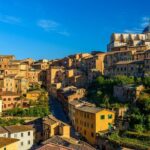
If you’re visiting for the first time, you’ll appreciate how fast you get your bearings. Siena is beautiful, but it can also feel like a maze. A guided food walk helps you learn paths, districts, and local rhythm with the bonus of eating along the way.
If you’re returning to Siena, the same small-group structure makes it easier to notice what you missed earlier—especially the role of wine and how guides explain it in plain language.
Price and Value: What $88.32 Actually Buys You
At $88.32 per person, you’re paying for more than “a couple tastings.” This tour includes lunch, coffee and/or tea, snacks, bottled water, and at least one alcoholic beverage for those 18+. The food itself is designed around classic ingredients—pecorino, salumi, regional pasta, Sienese soup, and ricciarelli.
So the value question is simple: would you spend roughly that much on a full meal plus wine in a sit-down setting in central Siena? If you would, then the tour earns its keep by adding guidance, pairing, and a logical sequence.
The other value is time. Three hours in Siena can disappear quickly if you’re sorting out where to go and what to order. This tour removes that guesswork by building the day around dishes that actually fit the region.
Where price can feel off is if you want a full fine-dining restaurant experience with lots of silence and long courses. This is a food-and-wine walk. It’s social. It’s educational. If that’s your style, the cost makes sense fast.
Who Should Book This Siena Food Tour (and Who Might Not)
This is a strong fit if you:
- want Tuscan food without deciding everything yourself
- enjoy wine explanations, not just wine sipping
- like walking tours where eating and city context happen together
- prefer small groups (max 12) over big buses
It may be less perfect if you:
- struggle with spoken English plus Italian switching during explanations
- prefer fully quiet, sit-still experiences
- are extremely strict about specific extras (for example, one stop like limoncello can be affected by what’s open)
Also, plan like an adult about timing. If you show up late, the group still needs to move. One piece of feedback tied to a disappointment included timing issues and trouble following directions, so arriving on time is not “optional.”
Should You Book This Tour?
I’d book it if your goal is to get a genuine start on Siena’s food scene in a short window. The small group, the full meal lineup (pecorino, salumi, pici, pappa senese, ricciarelli), and the wine pairing explanations are a practical combo. You’re not just eating—you’re learning how to think about what you’re eating, which makes the rest of your Tuscany trip easier.
Hold back only if you want a totally silent, high-formality dining day, or if language switching might stress you out. If neither of those applies, this is a solid bet for an efficient, satisfying afternoon in Siena.
FAQ
How long is the Siena food tour?
It runs for about 3 hours.
Where does the tour start?
The meeting point is Piazza Salimbeni, 4-3, 53100 Siena SI, Italy. The tour ends back at the meeting point.
Is the tour offered in English?
Yes. The tour is offered in English.
What food and drinks are included?
The tour includes lunch, coffee and/or tea, snacks, one alcoholic beverage (for ages 18+), and bottled water.
What are some of the dishes you’ll taste?
The sample menu lists charcuterie and cheese board, pici cacio e pepe (or with wine), pappa senese, and ricciarelli.
How big is the group?
The tour has a maximum of 12 travelers.
Is pickup or private transportation included?
No. Private transportation and pick-up/drop-off are not included.
FAQ
What’s the cancellation policy?
You can cancel for a full refund if you cancel at least 24 hours in advance. Canceling less than 24 hours before the start time is not refundable.
How will I get the tour details?
You’ll receive confirmation at the time of booking, and the tour uses a mobile ticket.
Is it near public transportation?
Yes, the meeting area is near public transportation.
Is the tour suitable for most people?
It says most travelers can participate.
Do guides speak only English?
The guide may speak English and Italian during the tour.
What if the tour is canceled for not enough people?
If the minimum number of travelers isn’t met, you’ll be offered a different date/experience or a full refund.
Do I need to worry about the route being too complicated?
The tour is structured as a guided walk in Siena’s historic center and starts at a specific meeting point, ending back where it began.
If you tell me your travel dates and whether you want a daytime or evening food vibe, I can also help you pair this with a sensible Siena itinerary around it.