REVIEW · SIENA
Wine Class – Tuscan Classics
Book on Viator →Operated by Papilio srl · Bookable on Viator
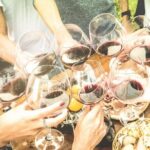
Wine lists in Siena will start making sense fast. This 2-hour class is built for real-world understanding: you learn how Tuscan wines are made, how to read what’s in the glass, and what to ask for when you’re hunting for your next bottle. I like that it’s not just theory—you practice the classic tasting steps swirl, smell, sip while comparing styles that come from different Tuscan wine regions and soils.
I especially like two things. First, it’s a practical central break from sightseeing, with the class taking place near the city’s historic core. Second, the small group size (max 14) keeps the energy friendly and gives you the chance to get personal help as you taste and compare.
One thing to consider: the experience requires good weather, so plan for a possible shift to another date if conditions are poor.
In This Review
- Key highlights worth your time
- Central Siena, 5:00 pm, and a short walk into wine-country thinking
- How the class actually teaches you to taste (swirl, smell, sip, repeat)
- What you taste: iconic Tuscan names plus the reason they taste the way they do
- Food pairings that teach you what to order, not just what to eat
- The 2-hour flow: what the timeline feels like in real life
- Group size, pours, and why the guide matters
- Is $72.59 worth it? The value equation for a Siena evening
- When it fits best (and when you might skip it)
- Quick take: what you’ll remember after you leave
- Should you book Wine Class – Tuscan Classics in Siena?
- FAQ
- Where does the wine class start in Siena?
- What time does the class begin?
- How long is the class?
- What languages is it offered in?
- How many wines will I taste?
- Is there food included?
- How big is the group?
- What happens if the weather is poor?
Key highlights worth your time
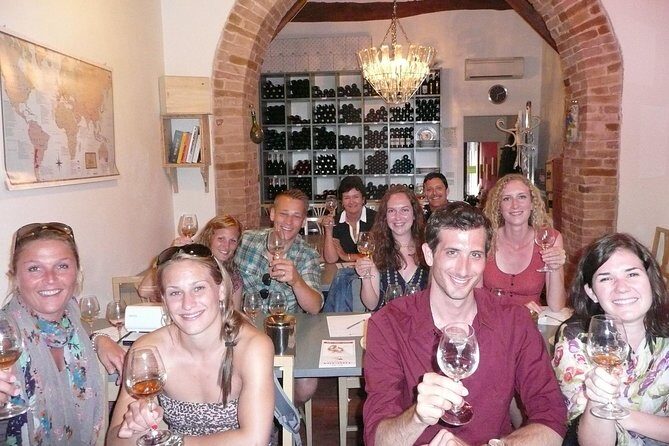
- 6 local Tuscan wines sampled, including Chianti Classico and Brunello di Montalcino
- Hands-on tasting practice with guidance on aromas, body, persistence, and vintages
- Iconic pairings: pecorino cheese, cured meats, extra virgin olive oil bruschetta, and chocolate
- Central Siena location for an easy, early evening reset inside the historic feel of the city
- English-speaking instruction with small-group attention (up to 14 people)
- Low-pressure vibe focused on learning, not sales
Central Siena, 5:00 pm, and a short walk into wine-country thinking
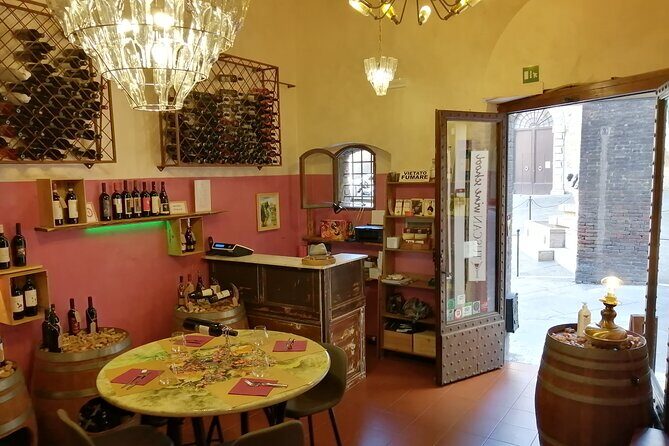
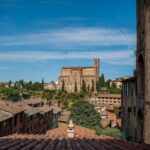
This is one of those experiences that fits neatly into a day of stone streets and big views. You meet at Via Stalloreggi, 53100 Siena, and the class starts at 5:00 pm. From there, the session ties into the city with a stop at Via di Citta, so it feels like you’re still in Siena, not “way out there” in the countryside.
The timing is smart. Late afternoon in Siena can turn into that in-between hour where you’re tired of walking but don’t want dinner yet. This gives you a set start time, a clear end (it finishes back at the meeting point), and an activity that uses the senses instead of your phone screen.
And because it’s offered in English and most travelers can participate, it works well even if you don’t know your Chianti from your Vino Nobile yet. The class is built to teach you a simple way to judge what you’re tasting and how it connects to place.
Other Siena food tours we've reviewed in Siena
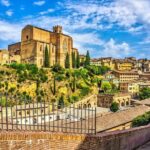
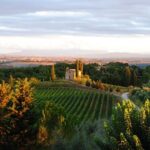
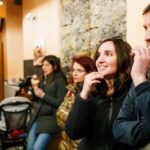
How the class actually teaches you to taste (swirl, smell, sip, repeat)
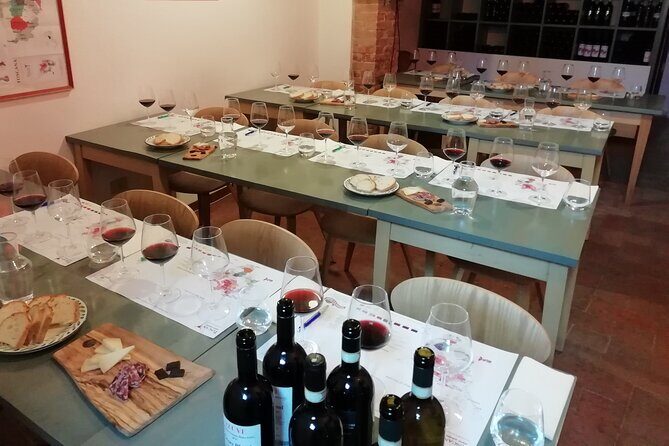
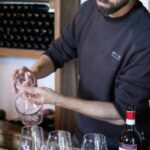
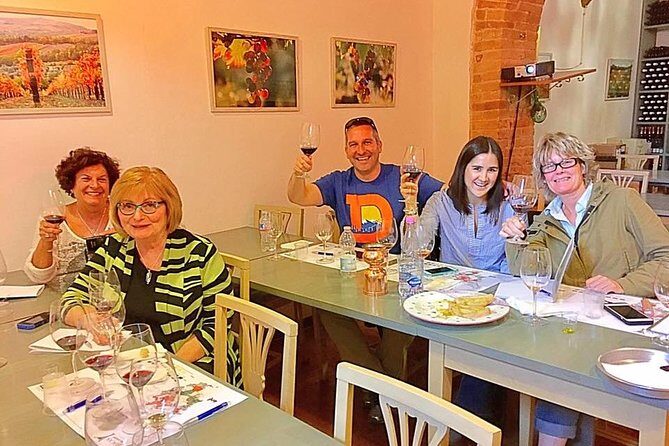
This isn’t a “watch and listen” wine talk. The structure is more like a mini classroom, and the setup is designed to keep you engaged—think a projector/map-style presentation plus the tasting tools right in front of you.
You’re guided through the basics of Tuscan wine in a way that helps you remember it later. You learn what to look for when you swirl, what to focus on when you smell, and how to make sense of what happens when you sip. The goal is to help you compare wines in a repeatable way, so the next time you’re staring at a restaurant wine list, you can quickly translate the menu language into something you understand.
In the best classes, the guide makes the technical parts feel human. Many instructors—such as Georgia, Manuel, Milo, Nina, and Giorgia—are described as engaging and funny, and they tend to keep the class relaxed while still explaining the important differences. You’ll also see a consistent theme from the teaching style: encouragement to taste freely, ask questions, and ask for another pour if you want to be sure.
What you taste: iconic Tuscan names plus the reason they taste the way they do
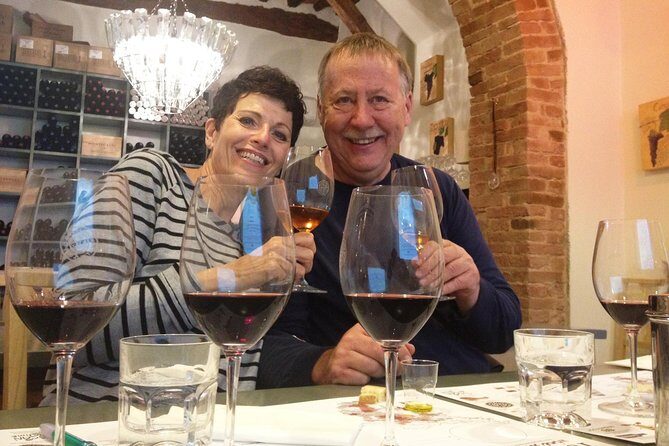
The headline promise here is tasting Tuscany’s most famous wine styles, and the included tasting is built around 6 different local wines. The class specifically calls out two big benchmarks: Chianti Classico and Brunello di Montalcino. Those aren’t random picks. They’re useful because they represent well-known “targets” on Tuscan wine lists, so learning them helps you decode a lot of what you’ll see later.
You taste more than just one style, though. The teaching framework compares wine characteristics like aroma, body, and persistence—that lingering effect after you swallow. You also learn how vintages can change what you’re tasting.
Just as important, the class connects wine flavor to the underlying “why.” You get an explanation of Tuscany’s history and legends around the wines, plus how regional differences show up in the glass. That includes discussion of soils and grape varietals, and how the same grape can behave differently depending on where it’s grown.
Why this matters for you: if you only taste a wine, you might remember it as good or not-good. If you learn what to look for, you can build your own shortlist. You’ll start predicting what you’ll like based on how the wine smells and feels, not just the label or price tag.
Food pairings that teach you what to order, not just what to eat
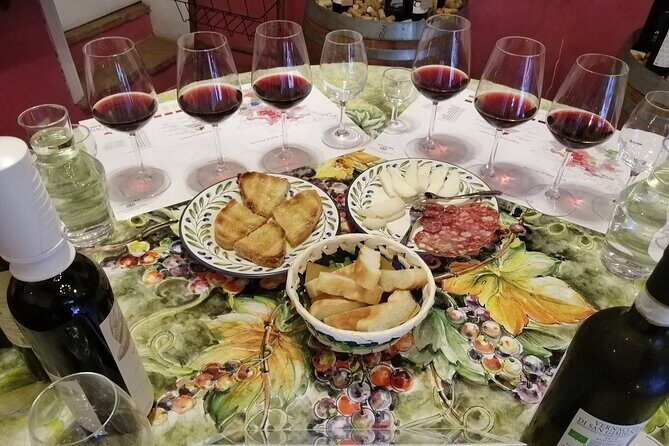
One reason this class rates so high for satisfaction is the pairing setup. The included bites aren’t there as decoration. They’re meant to help your palate learn.
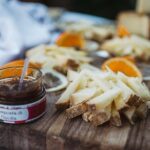
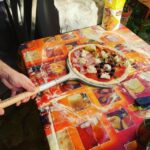
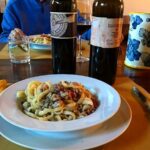
You’ll start with a starter built from local favorites like pecorino sheep cheese, cold cuts, and bruschetta with extra virgin olive oil. Then chocolate shows up as part of the tasting bites. That may sound simple, but pairing wine with salty cheese, cured meats, bread with olive oil, and a sweet finish gives you multiple taste contrasts to notice.
You also get pairing tips as part of the tasting. The class explains how food choices and wine choices connect, so when you’re later at a restaurant in Siena, you can make better matches with confidence. Instead of saying, I’ll take the Chianti because it’s Chianti, you’ll have the tools to think in terms of structure and flavor balance.
And the most practical angle: once you’ve tasted through pairings like this, you’re better prepared to order confidently when you see local names on menus. Tuscany’s restaurant wine lists can feel like a code. This class gives you the decoding skills.
The 2-hour flow: what the timeline feels like in real life
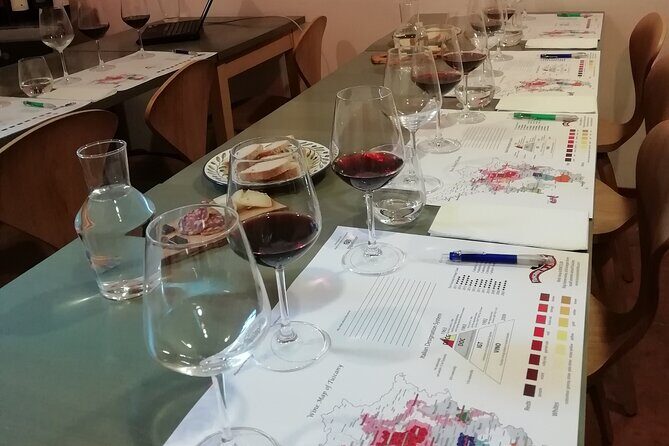
The experience is listed at about 2 hours, which is an ideal length in a city like Siena. Long enough to learn and taste multiple wines, short enough that you can still have dinner plans without rushing.
In that window, the session moves through an intentional sequence: tasting + comparison + short teaching segments. The stop at Via di Citta helps keep it grounded in the city feel, while the main meeting point remains Via Stalloreggi.
Here’s what that means for your day: you can plan a relaxed afternoon, then head to your 5:00 pm start. Since the tour ends back at the starting area, you’re not stuck figuring out transportation at the end. It’s one of those “set it and forget it” plans that still feels like you earned something meaningful.
Other wine tours in Siena
Group size, pours, and why the guide matters
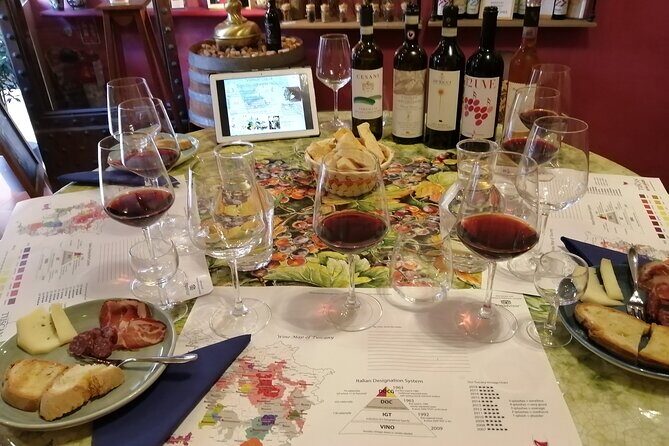
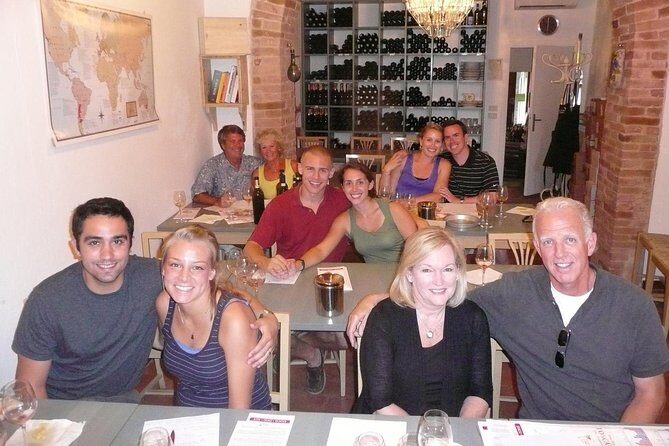
With a maximum of 14 travelers, this class avoids the “large group, quick tastings” problem. Instead, you get enough breathing room to ask questions and try to understand what you’re tasting in the moment.
A repeated theme in the teaching style is generosity: many people describe large pours and encouragement for refills. That matters because wine tasting takes attention. If you’re constantly getting tiny sips, you can’t properly compare two wines side-by-side. Here, you’re given enough wine to actually follow the tasting comparisons.
Another repeated theme: personal attention. Guides are described as remembering names and giving individual support, even when people came in as casual wine drinkers. That’s a sign the instructor is running a real class, not just passing out samples.
Is $72.59 worth it? The value equation for a Siena evening
At $72.59 per person, the price isn’t “budget snack money,” but it also isn’t in the category where you need to be a hardcore wine expert to justify it.
Here’s the value logic:
- You’re paying for a guided tasting of 6 wines, including major Tuscan anchors like Chianti Classico and Brunello di Montalcino.
- You get pairing bites (cheese, cured meats, olive oil bruschetta, chocolate) that are part of the lesson.
- You get structured explanations around tasting technique, plus context like soils, grapes, history, and legends—so you leave with usable knowledge.
If you’re the kind of traveler who wants to do one “smart” activity that upgrades your whole food-and-wine experience in Tuscany, this is solid value. If you’re only looking to drink casually with no interest in tasting technique or wine language, you might feel like it’s more structured than you need. But for most people, this lands in the sweet spot: educational, fun, and drinkable.
When it fits best (and when you might skip it)
This works best if you:
- Want an easy intro to Tuscan wine without booking a vineyard day
- Like guided tastings where you learn how to taste, not just what to taste
- Prefer a short evening plan that’s convenient in central Siena
- Enjoy pairing food and wine and want restaurant ordering confidence
You might skip it if:
- You’re not interested in learning how to taste (you just want a drink)
- You’re extremely sensitive to alcohol and don’t want to participate in an experience that includes multiple wine samples
- Weather is a big uncertainty for your dates, since the experience requires good weather
Quick take: what you’ll remember after you leave
The lasting payoff is not the names alone. It’s the way you’ll start using wine words like body, aroma, and persistence in your head. You’ll also remember the classic Tuscan benchmark wines—Chianti Classico and Brunello di Montalcino—because the class uses them as comparison points.
And if you like humor and a lively classroom vibe, pay attention to the guide style. People mention instructors like Georgia, Manuel, Milo, Nina, and Giorgia for being engaging, passionate, and generous with pours—so even if you start with basic knowledge, you’re likely to end the night with real confidence.
Should you book Wine Class – Tuscan Classics in Siena?
Yes, I think you should book it if you want the highest chance of walking away with useful skills in a short, city-friendly time slot. For the money, you’re getting a guided tasting of 6 Tuscan wines plus pairing bites and tasting instruction you can use immediately when you see local labels in shops and restaurants.
Book it especially if this is your first stop in Tuscany and you want to get your bearings fast on how the wines differ. And if your travel dates depend on weather, keep your schedule flexible—this one needs decent conditions to run smoothly.
FAQ
Where does the wine class start in Siena?
The experience starts at Via Stalloreggi, 53100 Siena SI, Italy.
What time does the class begin?
The start time is 5:00 pm.
How long is the class?
The duration is approximately 2 hours.
What languages is it offered in?
It’s offered in English.
How many wines will I taste?
You learn about and taste 6 different local wines, including Chianti Classico and Brunello di Montalcino.
Is there food included?
Yes. You get snacks paired with the wines, including local cheese and cold cuts, bruschetta with extra virgin olive oil, and chocolate.
How big is the group?
The tour/activity has a maximum of 14 travelers.
What happens if the weather is poor?
The experience requires good weather. If it’s canceled due to poor weather, you’ll be offered a different date or a full refund.