REVIEW · SIENA
Tuscany: Self-Guided Video Tour with World’s Top Experts
Book on GetYourGuide →Operated by AppyGuide · Bookable on GetYourGuide
Tuscany hits different when your headphones lead the way. This self-guided video tour turns big sights like Siena and Florence into easy, bite-sized stories you can play whenever you want. I especially like that the content is built around art and history, so you spend less time guessing what you’re looking at.
I also like the way the tour mixes major landmarks with smaller stops, including winemaking towns such as Montepulciano and Montalcino. One clear consideration: it’s streamed live, so you’ll need a stable 5G/LTE connection plus your own device and headphones.
In This Review
- Key Points Before You Press Play
- How a Self-Guided Tuscany Video Tour Actually Helps
- Your Tuscan Route: Siena, Pisa, Lucca, and the Big Names
- San Gimignano and Volterra: Medieval Towns You Can Read
- Florence On Demand: Museums, Alleys, and the Big Picture
- Val d’Orcia Wine Towns: Montepulciano, Pienza, Montalcino
- Lesser-Known Towns in the Chianti Valleys
- What You’ll Learn: Art, History, and Local Culture Without the Lecture Tone
- Price and Value: $45 for a Year of Access
- Streaming Reality Check: The 5G/LTE Requirement
- Best Ways to Use It Day One (So It Doesn’t Feel Like Homework)
- Who Should Book This Tuscany Video Tour?
- Should You Book It?
- FAQ
- How much does the Tuscany self-guided video tour cost?
- How long is the experience available after purchase?
- What’s included in the tour?
- Do I need headphones?
- Is internet required to use the tour?
- Which language are the guides in?
- Which places are covered?
- Are museum entry fees included?
- Is this tour suitable for children or for hearing-impaired people?
- Can I get a refund?
Key Points Before You Press Play
- 70+ English narrated video stories covering Florence and key Tuscany towns
- Expert-led art and history focus in short, listenable segments
- Flexible pacing: start, pause, and finish when it fits your day
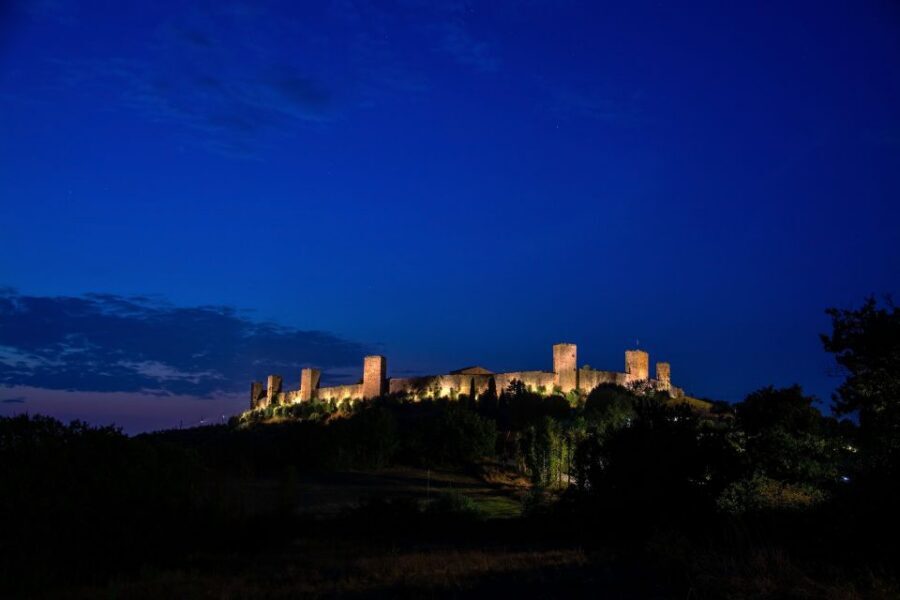
- Covers famous places plus smaller towns like Monteriggioni and Volterra
- Streaming requirement (5G/LTE) means poor coverage can slow you down
How a Self-Guided Tuscany Video Tour Actually Helps
I like tours, but I also like freedom. With a self-guided format, you can shape the day around your energy level, your arrival time, and how long you get stuck staring at something interesting. Instead of joining a group, you carry the expertise with you.
The real win here is the “bite-sized” delivery. You’re not stuck watching one long lecture while you stand in a hot square. You can line up a story before a visit, then switch tracks when your feet and curiosity decide it’s time to move.
And because it’s an English narrated experience from expert historians and presenters, you don’t have to be a Tuscany expert to enjoy the art, symbolism, and local culture. It’s designed for learning in motion, not learning on a schedule.
Other guided tours in Siena


Your Tuscan Route: Siena, Pisa, Lucca, and the Big Names
This tour’s backbone is the set of cities you’d expect—and that matters. When you show up in a place like Siena, you’re walking into centuries of art, politics, and religious life. Having structured stories ready means you’re less likely to miss what the locals cared about.
Siena
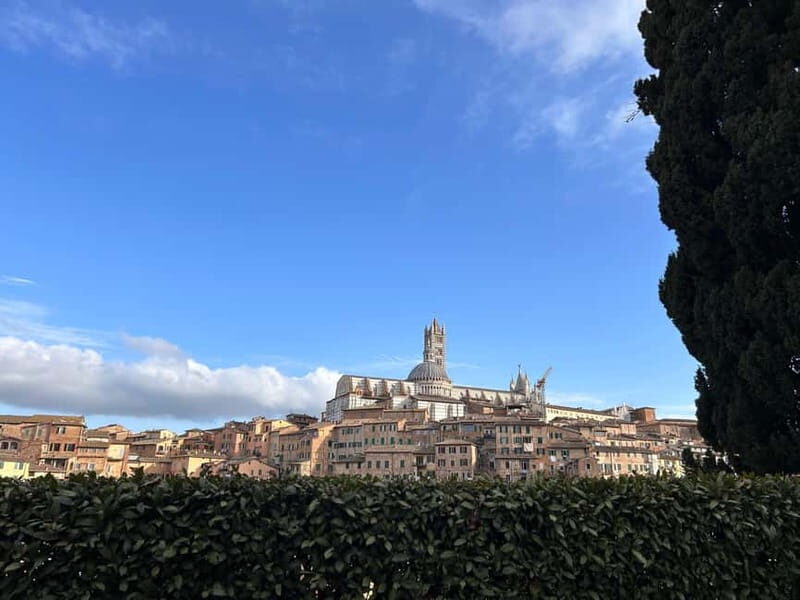
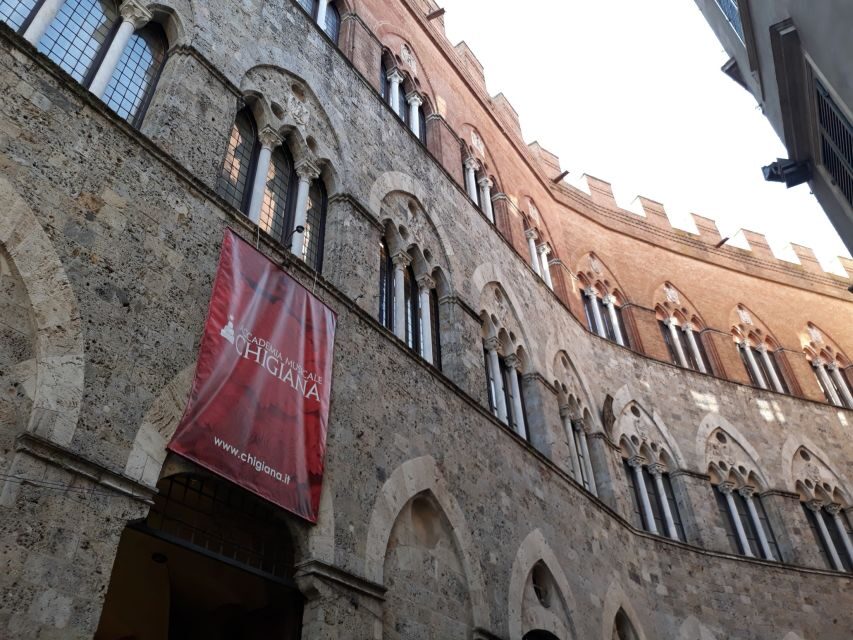
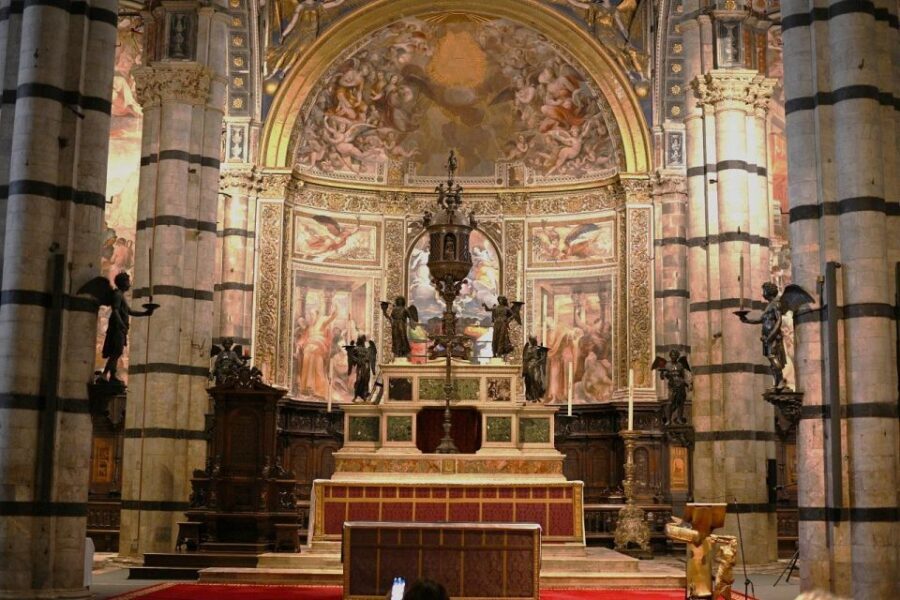
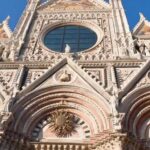
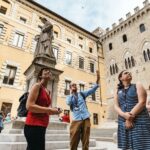
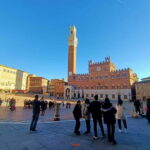
Siena can feel overwhelming at first because the city is packed with visual clues. The video stories help you connect the dots: what you’re seeing, why it mattered, and how the art and architecture fit together. If you only have a day, you’ll likely use the stories to choose where to focus instead of wandering randomly.
Pisa
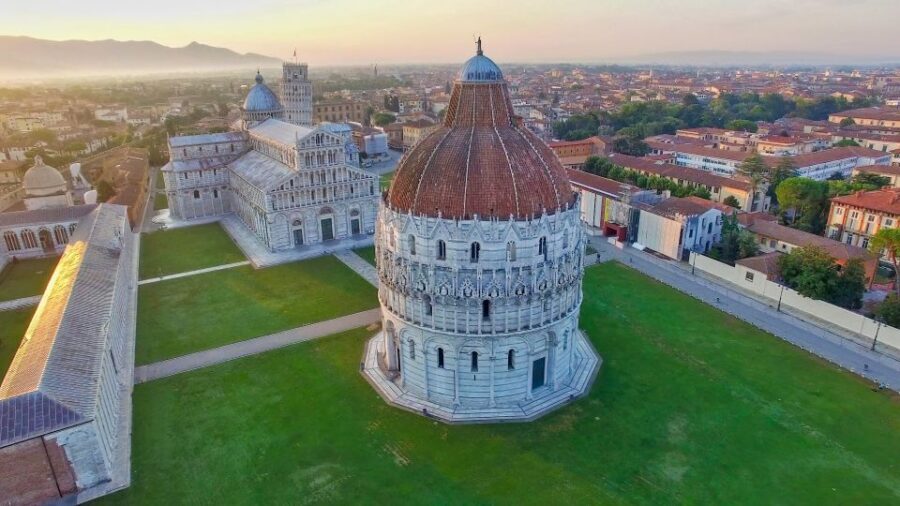
Pisa isn’t just the famous angle of the tower. The guide content can help you look past the postcard moment and notice the broader setting around the area. It’s also a place where quick planning pays off, since crowds can turn your visit into a shuffle.
Lucca
Lucca rewards people who slow down. The tour supports that with expert context, so the streets don’t feel like a maze with no meaning. You can pair the stories with strolling, then pause the walk when you want to linger at art and details.
Arezzo
Arezzo is the type of stop you might breeze through unless you have a reason to pay attention. The presence of dedicated video coverage means you can treat it as more than a break between larger cities.
Practical note: since this is self-guided, you’ll want to build a simple plan before you arrive—just a few “must sees” and then time to wander.
San Gimignano and Volterra: Medieval Towns You Can Read
Tuscany’s hill towns feel like they’ve kept their own rhythm. San Gimignano and Volterra are good examples of places where the visual layout tells a story, from stone colors to skyline lines.
San Gimignano
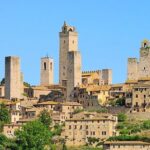
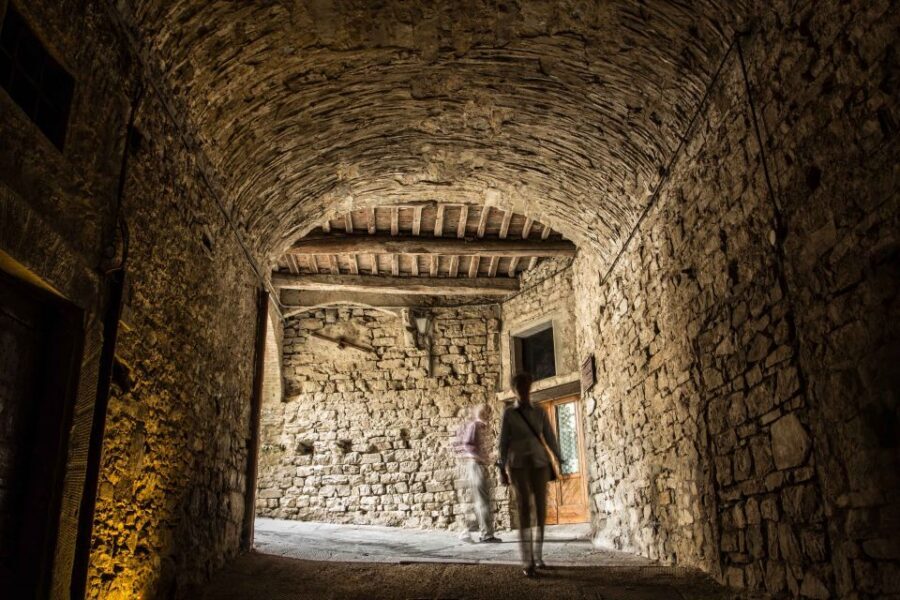
When you’re surrounded by towers and tight streets, it helps to know what shaped that skyline. The tour’s art and history approach should make it easier to see the town as more than a photo stop, and instead as a place with history embedded in the buildings.
Volterra
Volterra is a great test of whether your trip content matches your curiosity. If you’re the kind of person who likes symbols, architecture details, and the “why” behind what’s preserved, you’ll probably enjoy the way the stories set up the context.
A drawback in towns like these: phones and streaming can be less reliable if you’re bouncing between viewpoints. If your connection drops, you may be forced to pause the learning part and just enjoy the view without the audio.
Florence On Demand: Museums, Alleys, and the Big Picture
Florence is where this tour can feel most useful. The package includes video content for the whole city, from world-famous museums to quieter lanes you might walk right past.
Instead of trying to do everything, you can build a “museum + streets” day. Play a short story before you enter a museum area, then use the rest of your time for walking with better context. It’s a smart way to reduce the blank-stare feeling that hits when you’re standing in front of masterpieces.
One detail from the experience that stood out: Florence content can point you toward sites that you might not automatically pick. Examples include the Cappella Brancacci and The Last Supper. Even if you’ve been to Florence before, this kind of guidance can help you notice different things than you did on earlier trips.
If you’re a repeat Florence visitor, I see this as a chance to mix in parts you skipped before, and to connect what you see to the stories behind it, instead of relying only on memory.
Val d’Orcia Wine Towns: Montepulciano, Pienza, Montalcino
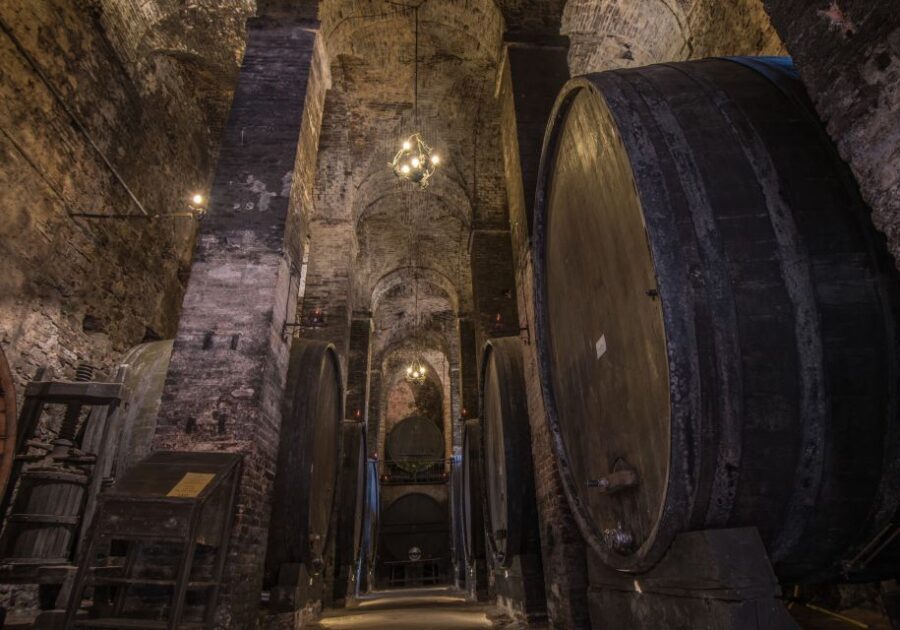
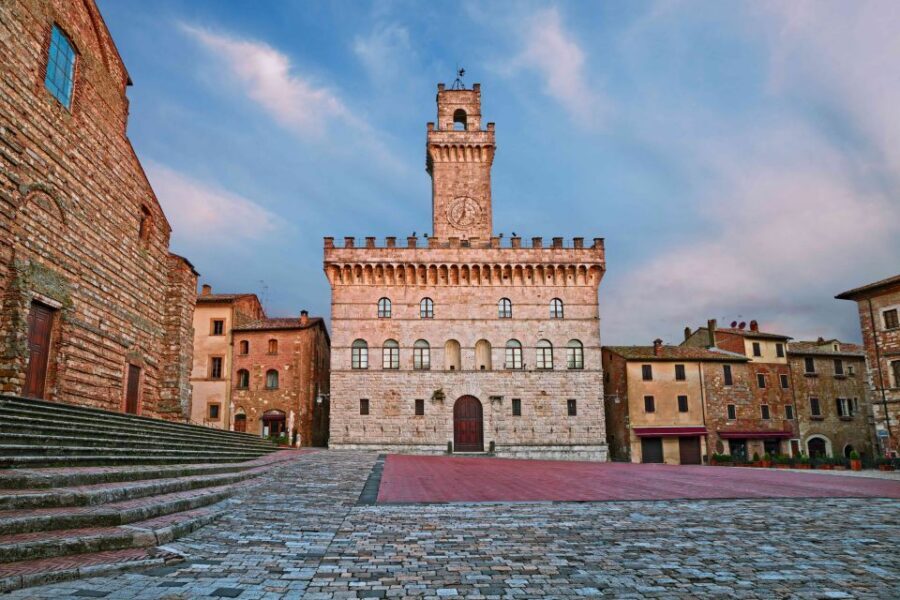
If Florence is the brain of your trip, the wine towns are the heart. Montepulciano and Montalcino are perfect examples of places where art history and daily life overlap. And the tour includes culinary and winemaking tales, which makes the experience feel local, not just academic.
Montepulciano
Montepulciano works well with story-led visits because you’ll likely want to slow down and explore more than one viewpoint. When you understand what shaped the town’s identity, the streets don’t feel random.
Pienza
Pienza is small, so you’ll either rush and miss the point or you’ll take time and enjoy how everything is arranged. The video stories help you approach it like a planned experience, not a stop you have to “check off.”
Montalcino
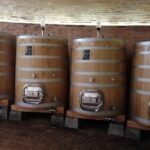
Montalcino is built for people who enjoy food culture as much as sights. The winemaking-focused content makes it easier to connect the landscape, the buildings, and the local economy to what you’re tasting or imagining tasting.
If you’re thinking about the schedule: these towns can pair well with a day trip mindset. You don’t need to overbook, because the value here is learning and walking at a steady pace.
A few more Siena & Tuscany tours and experiences worth a look

Lesser-Known Towns in the Chianti Valleys
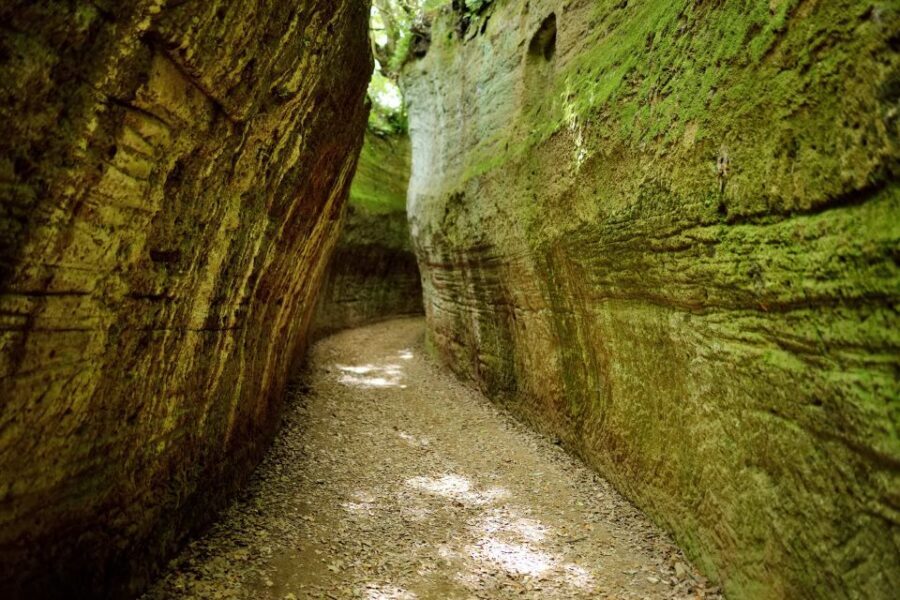
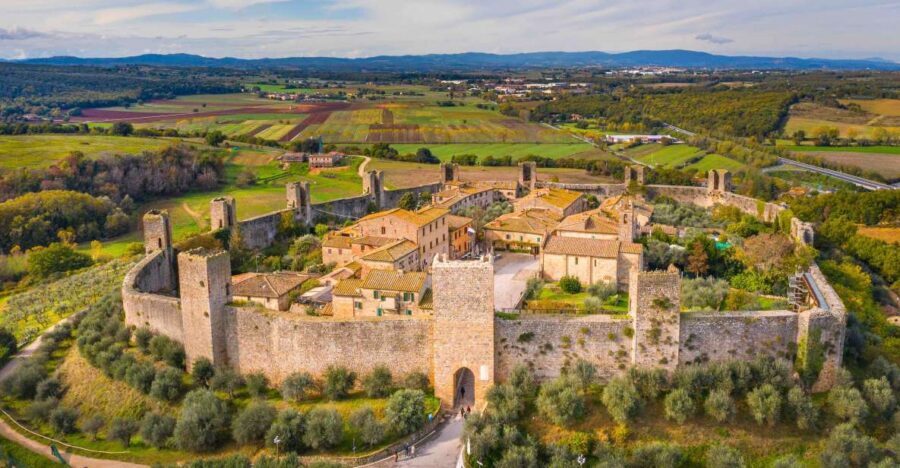
One of the more interesting parts of this tour is the spread beyond the usual highlights. You get coverage for towns like Monteriggioni, Sovana, Pitigliano, Pistoia, and Carmignano, plus others in the region.
This matters because Tuscany isn’t only a handful of famous places. The culture changes as you move, and the smaller towns can feel more “yours” because fewer people race through them.
Here’s how to think about using these stops:
- Use the stories to choose which smaller town fits your mood that day.
- Arrive, play a story segment, and then walk with purpose.
- Give yourself time for the surprises. Small towns often reward slow attention.
A consideration: because this is streamed content, the experience depends on your phone setup and signal. If you’re driving between towns, plan a “content hour” when you’re more likely to have a stable connection.
What You’ll Learn: Art, History, and Local Culture Without the Lecture Tone

The tour’s style is all about learning in small chunks. That’s ideal when you’re actually out in the world, not sitting in a classroom.
You’ll get English narrated video stories focused on:
- Art: what you’re seeing and what it meant
- History: how events and beliefs shaped the city
- Local culture: how daily life connects to the sights
I especially like that the tour doesn’t treat Tuscany like one single theme. It recognizes that Florence, Siena, and the wine towns all feel different on the street. That variety helps your brain stay engaged instead of tuning out.
And because the content is story-driven, you’re not just accumulating facts. You’re building a sense of what you’re looking at, which makes your photos more than souvenirs.
Price and Value: $45 for a Year of Access
At $45 per person, this is priced like a “worth a try” learning add-on instead of an all-in guided trip. The real question is how you use it.
Here’s where the value clicks:
- You get 70+ English narrated video stories.
- You can use it across Florence and Tuscany.
- You have unlimited replays for three months from the moment of purchase.
- The activity is valid for 365 days, so you’re not forced to “finish it immediately.”
That combination makes it easier to fit into real travel patterns. You might use it heavily on the first few trips through Tuscany, then come back to it later for a second itinerary, or even to re-check the same city with fresh eyes.
If you’re the kind of traveler who plans every hour, you may not use all the content. But if you like flexibility, you’ll probably squeeze more value out of the library than you expect.
Streaming Reality Check: The 5G/LTE Requirement
This is the one “fine print” thing that can change your experience day-to-day. AppyGuide audio stories are accessed through the website and streamed in real time, and it specifies stable 5G/LTE—with 2G/3G speeds not sufficient.
So you’ll want a real plan for your device:
- Bring headphones
- Have your smartphone charged
- Consider a power bank
- Make sure you start with a strong connection when possible
If you’re in a spot where signal is spotty, you might still enjoy the architecture and streets, but the learning layer can pause. This matters in Italy where you can move just a few blocks and change your reception.
Also, the tour is not suitable for hearing-impaired people, so it’s worth keeping expectations clear if that’s relevant for anyone in your travel group.
Best Ways to Use It Day One (So It Doesn’t Feel Like Homework)
I don’t want travel tech to become “another thing to manage.” The easiest way to make it work is to treat each day like a mini route with a few learning points.
My go-to approach for something like this:
- Pick one or two major places as anchors (example: Florence museum time, then a different neighborhood).
- Play the story right before you enter.
- When you walk away, replay the segment later at a café or in the evening.
You’ll get more out of it if you don’t try to watch everything back-to-back. The format is meant for short sessions, and that matches how you naturally experience cities.
Who Should Book This Tuscany Video Tour?
This is a good fit if you:
- Want expert art and history guidance without a live group tour
- Prefer choosing your own route through Siena, Pisa, Lucca, Montepulciano, San Gimignano, and other towns
- Like mixing museum time with street time in Florence
- Enjoy food and winemaking context, not only monuments
It may not be the best fit if you:
- Can’t reliably get 5G/LTE where you’ll be traveling
- Want offline content (streaming is required)
- Are traveling with kids under 13
- Need accommodations related to hearing (the tour isn’t suitable for hearing-impaired people)
If you’ve been to Florence many times and want new angles, the content pointing to places like Cappella Brancacci and The Last Supper can be a smart reason to try it again.
Should You Book It?
Yes, if you want Tuscany with a brain attached—but still at your pace. For $45, the combination of 70+ English video stories, Florence coverage, and the chance to replay makes it a practical value, especially if you’re the type who likes to understand what you’re seeing.
Before you buy, be honest about your phone setup. If you’re confident in your ability to stream on 5G/LTE, this can turn a standard sightseeing day into something you’ll remember for the context, not just the photos. If your connection is unreliable, you might spend more time watching nothing and listening to your own silence.
If you tell me your exact cities and how many days you’ll be in Tuscany, I can suggest a simple “story-first” itinerary that fits how this tour is meant to be used.
FAQ
How much does the Tuscany self-guided video tour cost?
It’s priced at $45 per person.
How long is the experience available after purchase?
The activity is listed as valid for 365 days, and it also includes unlimited replays for three months from the moment of purchase.
What’s included in the tour?
You get 70+ English narrated video stories, coverage of Florence and Tuscany, and instant access. The content is delivered with narration by expert historians and presenters.
Do I need headphones?
Yes. Headphones are recommended, and the experience is meant to be listened to via audio stories.
Is internet required to use the tour?
Yes. The video/audio stories are streamed in real time through a website, and the tour requires stable 5G/LTE. 2G/3G speeds are not sufficient.
Which language are the guides in?
The audio guide content is English.
Which places are covered?
The tour includes major cities such as Siena, Pisa, Lucca, Arezzo, Montepulciano, Pienza, Montalcino, Volterra, and Cortona, plus smaller towns including Monteriggioni, Sovana, Pitigliano, Pistoia, and Carmignano. It also includes comprehensive Florence city content.
Are museum entry fees included?
No. Entry fees to museums or attractions are not included.
Is this tour suitable for children or for hearing-impaired people?
It’s not suitable for children under 13 and not suitable for hearing-impaired people.
Can I get a refund?
Yes. It offers free cancellation up to 24 hours in advance for a full refund.