REVIEW · SIENA
Guided Winery Tour and Wine Tasting in Siena
Book on Viator →Operated by Az. Agr. La Lastra · Bookable on Viator
Wine gets a new meaning in Siena.
This 4:00 pm, English-language experience links the vineyard to your glass, with a calm small-group pace at an organic winery in the Tuscan hills. You’ll get a guided look at how vines are grown, how quality is built in the cellar, and how the tasting is set up for real comparison, not just sampling.
What I like most is the organic, practical focus—you’re not only hearing facts, you’re seeing how agronomic choices connect to the vine’s cycle and to wine quality. The other big win is the 5-wine tasting with food and Organic Extra Virgin Olive Oil pairing, so the wines aren’t floating in a vacuum; they land with context.
One consideration: this is a vineyard-and-cellar style visit, so if you want a long, relaxed sitting-down event or you strongly dislike walking outdoors, you’ll want to plan for some on-your-feet time.
In This Review
- Key highlights at a glance
- Why this Siena wine tour feels different from a quick tasting
- Price and what you really get for $90.51
- Getting to Azienda Agricola La Lastra (and why the 4:00 pm start helps)
- Stop 1 at the vineyard: organic agronomy and the vine’s biological cycle
- Stop 2 in the cellar: quality winemaking from crushing to ageing
- Stop 3 in the tasting room: 5 organic wines, seasonal pairing, and olive oil
- The guides and the small-group advantage
- What you’ll actually learn (and how to use it after the tour)
- Food pairing: why the seasonal bites make the wines clearer
- Best for whom (and who should pick a different kind of wine outing)
- What to do after the tasting (so it doesn’t end at the cellar door)
- Should you book this Siena guided winery tour?
- FAQ
- What time does the Siena wine tour start?
- How long is the guided winery tour and wine tasting?
- Where do we meet for the tour?
- What language is the tour offered in?
- How many wines will I taste?
- Is the tour small group?
- What’s included with the tasting?
- Is there a minimum age?
- Do I need a printed ticket?
- Can I get a full refund if I cancel?
Key highlights at a glance
- Vineyard walk with agronomy in plain words tied to the vine’s biological cycle
- Cellar stop that maps each step from destemming-crushing through ageing
- Tasting of 5 organic wines in the tasting room, paired with seasonal food
- Organic Extra Virgin Olive Oil added to the tasting experience
- Maximum 12 people for a more personal, ask-questions pace
- Guides with real storytelling (often including hosts such as Maya or Christian, depending on the day)
Why this Siena wine tour feels different from a quick tasting
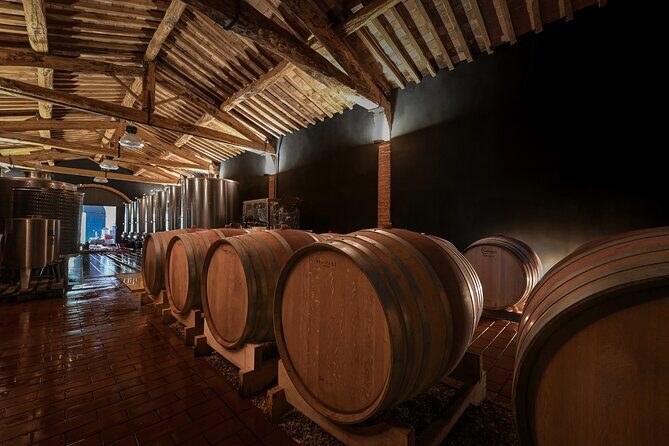
In many wine tastings, you taste first and learn later—if at all. Here, the order makes more sense. You start in the vines, then move into the cellar process, and only then do you sit down for the tasting room sequence. That flow helps you understand what you’re tasting and why it might feel different from the next glass.
I also like that the winery frames things in terms of cause and effect. You’re not just being told that wine is good. You’re learning what growers do (and why) so the vine can produce grapes in step with its biological rhythm. Then you’re walked through cellar decisions that shape quality at each stage: fermentation, maceration, and ageing, to name just a few.
And since it’s small-group, you can actually ask follow-up questions without feeling like you’re competing for attention. In the reviews, guides like Maya and Christian come up again and again for being warm and engaging—exactly the kind of hosting style that makes a tour feel like a conversation rather than a lecture.
The main trade-off is time. This is about 2 hours 30 minutes, ending back at the meeting point. It’s long enough to feel satisfying, but it’s not the kind of half-day that turns into a slow drift through multiple tastings.
Other Tuscan winery tours we've reviewed in Siena
Price and what you really get for $90.51
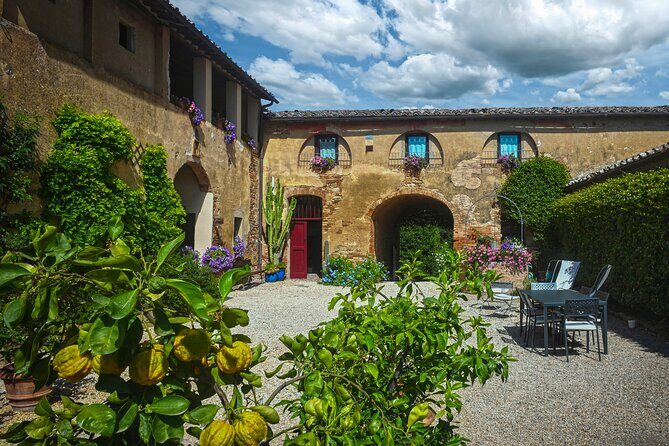
At $90.51 per person, you’re paying for more than a tasting flight. The structure is built around three parts that work as a teaching arc:
- vineyard explanation with an admission ticket included
- cellar explanation with an admission ticket included
- tasting of 5 organic wines plus food pairing, also included
So you’re not just buying drinks. You’re buying guided interpretation plus a set meal-style pairing component. On top of that, you’ll taste wines that come from the winery itself, and the food pairing includes a seasonal element plus Organic Extra Virgin Olive Oil. That combination matters because it helps you taste with your palate fully awake, not just your curiosity.
Is it expensive? Compared to a basic tasting bar, yes. Compared to a guided small-group tour that includes winery entry and a multi-wine tasting with pairings, it starts to look like a straightforward deal.
Getting to Azienda Agricola La Lastra (and why the 4:00 pm start helps)
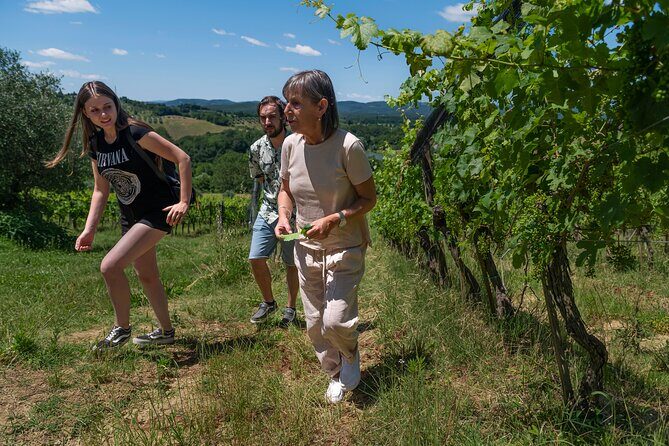
The meeting point is Az. Agr. La Lastra, Str. della Befana 2/A, 53100 Siena SI, Italy. The tour starts at 4:00 pm and returns to the meeting point at the end.
A late-afternoon slot is practical for a few reasons. First, Siena’s afternoons can be busy, and having a planned departure means you’re not trying to guess timing. Second, vineyard light in the later day usually makes the walk more pleasant—especially if you’re going in season and want good views without mid-day heat.
Logistics-wise, plan for getting out to the winery from Siena center. A short taxi ride is the easiest option mentioned by people who did the trip, with one estimate putting it around €12 from the city center (July 2025). Prices move, but the point is: budget for transport so you’re not scrambling.
Finally, you’ll have a mobile ticket approach, so you’re not worrying about printing anything. Confirmation is provided at booking time, which reduces stress the day before.
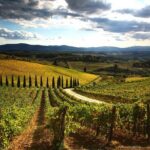
Stop 1 at the vineyard: organic agronomy and the vine’s biological cycle
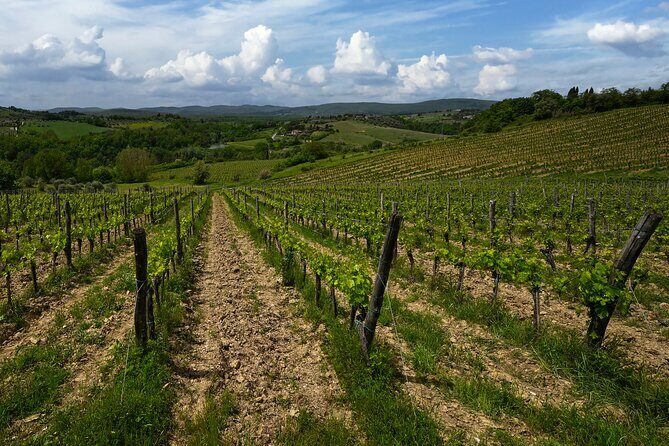
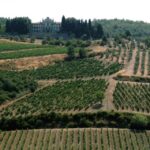
Your tour begins at Azienda Agricola La Lastra, with the first stop focused on the vineyard. This segment runs about 30 minutes.
What you can expect here is an explanation of agronomic techniques using simple, clear words. The emphasis isn’t on fancy theory. It’s on how cultivation choices relate to the vine’s biological cycle and to how the winery preserves and regenerates rural resources.
Why this matters for you: it changes how you interpret what comes next. If you understand what growers are trying to protect or encourage in the vineyard, the cellar steps stop feeling like random technical jargon. You start to see them as part of the same chain.
If you like asking questions, this is a good moment. The vineyard is where you can connect climate, vine health, and organic practices to the end product you’ll taste later. And because the group is capped at 12 travelers, you’re less likely to feel shut out.
Possible drawback: vineyards can be uneven ground, and you’re walking outdoors. Most people can participate, but if you’re dealing with mobility limits or you hate stepping around rocks and dirt, give that extra thought.
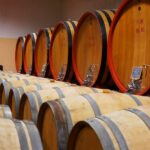
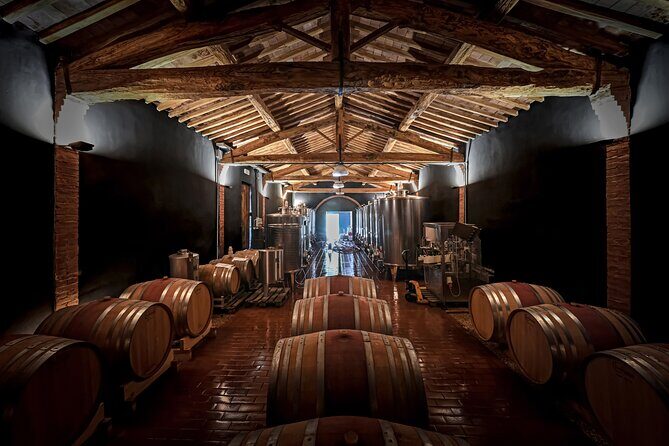
Stop 2 in the cellar: quality winemaking from crushing to ageing
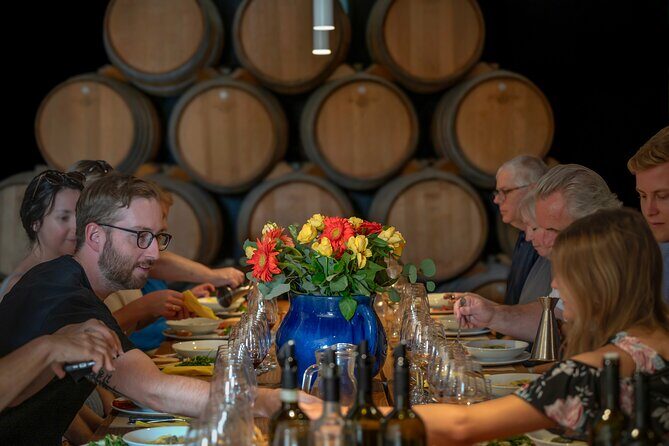
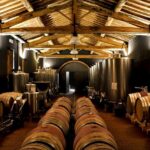
Next comes the cellar lesson, also about 30 minutes, still at Azienda Agricola La Lastra.
Here, the tour gets step-by-step through the grape-to-wine process. You’ll hear how quality is handled at key points, including:
- destemming-crushing
- alcoholic fermentation
- maceration
- malolactic fermentation
- racking
- maturation
- ageing
Even if you don’t call yourself a wine geek, this is useful. It helps you understand why two wines can taste different even if they’re both red, both from Tuscany, or both “dry.” The cellar stages influence aromas, texture, and how flavors settle over time.
I also like that this section frames quality as a sequence. Instead of telling you that the wine is great and stopping there, it shows you where decisions are made. That makes the tasting room more meaningful, because you can connect a flavor you notice to a process you heard about.
And because this is an organized tour (not a self-guided walk), you won’t waste time guessing what you’re seeing. You’ll be guided through it.
Other food & drink experiences in Siena
Stop 3 in the tasting room: 5 organic wines, seasonal pairing, and olive oil
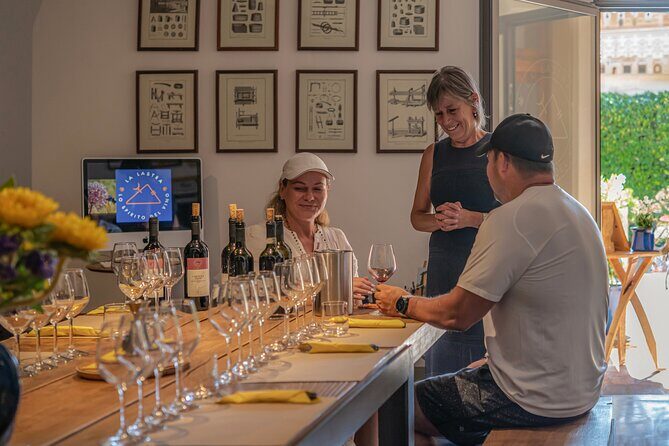
The last stop is the tasting room, and it’s the part most people remember first. It lasts about 1 hour.
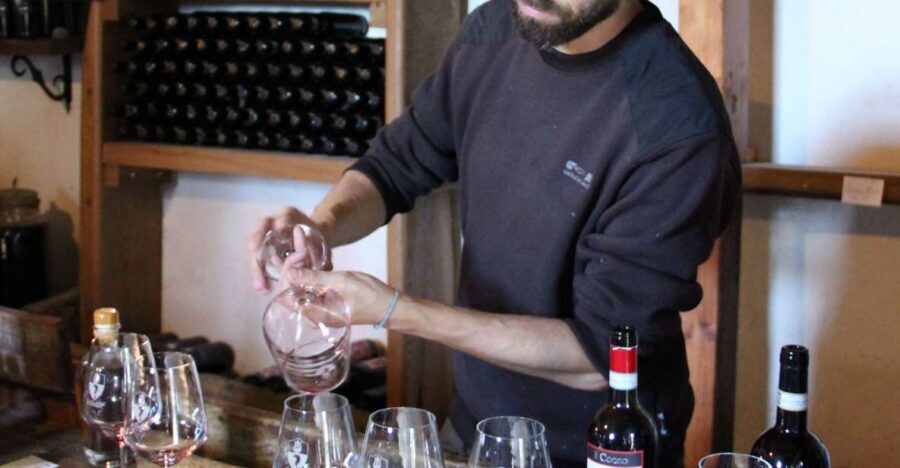
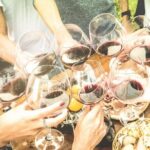
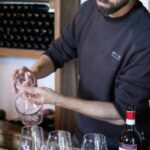
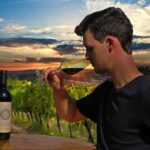
You’ll taste 5 organic wines. The tasting approach focuses on using your senses to catch subtle olfactory and gustatory notes. It’s not just sip-and-move-on; it’s meant to train attention, so you can compare glasses and feel the differences more clearly.
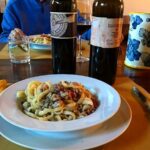
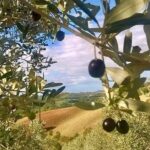
Then comes the pairing element: each glass is accompanied by a seasonal product, plus Organic Extra Virgin Olive Oil.
This is where the experience becomes more “Tuscan meal” than “tourist tasting.” When you taste a wine alongside something made for that moment, the flavors sharpen. You also get a more realistic idea of how these wines might be enjoyed locally—paired with food that belongs to the season, not an international buffet concept.
Also, the setting can be memorable. In some accounts, the tasting area courtyard includes cats roaming around, and one particularly named cat comes up with a “watch this” vibe. You might not plan your afternoon around cats, but it’s the kind of detail that makes a small winery feel alive.
A small practical note: tasting five wines can add up quickly. Pace yourself, take a breath between pours, and don’t feel pressured to guess like a sommelier. The point is to notice what you notice.
The guides and the small-group advantage
This is capped at 12 travelers, and that changes the whole feel. You’re not a face in the crowd. You can ask “why” questions—about organic farming choices, cellar stages, or how to read a wine label after tasting.
In the feedback, guides such as Maya and Christian (and sometimes others like Gianluigi or hosts mentioned as Alexandra) are described as engaging and personable, including moments where the host answers lots of questions without rushing. That aligns with the tour structure, because each stop is designed to feed into the next one. When the guide can respond to your curiosity, the learning sticks.
The tour is also offered in English, which is a big deal in a country where you might otherwise end up nodding along without catching the details. You’ll be able to follow the explanations about biological cycles and cellar steps without playing catch-up.
What you’ll actually learn (and how to use it after the tour)
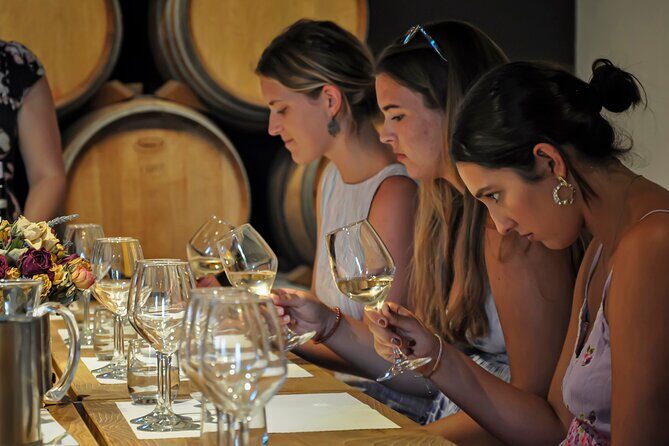
This tour does something most tastings don’t: it gives you language for what you’re noticing.
By the time you reach the fifth wine, you can likely do more than say it’s good. You’ll have a mental map of what the winery cares about:
- vineyard decisions tied to the vine’s cycle
- cellar steps linked to quality and how the wine develops
- tasting as a sensory practice (smell, then taste, then compare)
Use that when you’re tasting later in Siena. Instead of only chasing labels, you can listen for structure: fermentation influence, texture cues, and how ageing might show up in how the flavors linger.
And if you plan to buy a bottle (many people do), you’ll know what you liked and why. That makes the purchase more personal, and easier to pack home confidently.
Food pairing: why the seasonal bites make the wines clearer
The tasting is paired with seasonal products—plus Organic Extra Virgin Olive Oil. Even if you don’t usually care about food pairings, this part helps you understand the wine style in context.
Food and olive oil can do a few things at once:
- they reset your palate between pours
- they highlight acidity and texture
- they show how the wine behaves when flavors compete or cooperate
A seasonal component also keeps it grounded. It’s harder to fake a pairing when it’s tied to what’s actually in season. That’s one of the reasons this feels more authentic than a standard “tour menu.”
And yes, people seem to love the way the food is served with the tasting flow. The combined experience is the reason some folks call it an afternoon highlight in their Siena stay.
Best for whom (and who should pick a different kind of wine outing)
You’ll probably enjoy this tour if you:
- want organic wine context beyond marketing
- enjoy learning in a structured way, but not at a rushed pace
- like the idea of tasting five wines with food pairing
- prefer a small-group atmosphere where you can ask questions
- are comfortable walking outdoors briefly between stops
You might want a different option if you:
- want a purely scenic drive-by with minimal walking
- dislike multi-wine tastings (you’ll taste five, plus food pairings)
- are looking for a full day of winery activities rather than a tight 2h30 framework
What to do after the tasting (so it doesn’t end at the cellar door)
Once you’ve tasted and learned the process, your next move in Siena is simple:
- pick one wine you can picture with a meal
- buy the bottle(s) that matched the sensory notes you enjoyed most
- save your notes mentally before you get too chatty with friends—your preferences will be clearer right after tasting
Also, if you’re planning other wine stops that day, don’t overbook. The best use of this tour is to treat it as your anchor learning experience—then let later tastings be fun, not confusing.
Should you book this Siena guided winery tour?
I’d book it if you want an afternoon that’s both educational and genuinely enjoyable, with a small-group feel and a tasting that includes food and Organic Extra Virgin Olive Oil. The structure—vineyard to cellar to tasting room—makes the learning feel logical, and the five-wine set gives you enough range to find what you actually like.
Skip it only if you’re chasing a low-key, mostly seated experience, or if a multi-wine tasting is more than you want in one go.
If you’re in Siena and you want a real Tuscan winery day without the big-tour vibe, Azienda Agricola La Lastra is the kind of outing that turns into a story you can tell later.
FAQ
What time does the Siena wine tour start?
The tour starts at 4:00 pm.
How long is the guided winery tour and wine tasting?
It runs for about 2 hours 30 minutes.
Where do we meet for the tour?
You meet at Azienda Agricola La Lastra, Str. della Befana, 2/A, 53100 Siena SI, Italy.
What language is the tour offered in?
The experience is offered in English.
How many wines will I taste?
You’ll taste 5 wines during the tasting room portion.
Is the tour small group?
Yes. It has a maximum of 12 travelers.
What’s included with the tasting?
The tasting includes five wines plus a seasonal product pairing and Organic Extra Virgin Olive Oil.
Is there a minimum age?
Yes, the minimum age is 18 years.
Do I need a printed ticket?
No. You’ll use a mobile ticket.
Can I get a full refund if I cancel?
Yes. Free cancellation is available if you cancel up to 24 hours in advance of the experience start time.