REVIEW · SIENA
Siena: private tour of the treasure chest of Tuscany
Book on GetYourGuide →Operated by Florence Tours by Made of Tuscany · Bookable on GetYourGuide
Siena’s best stories fit in two hours. This private walk through the historic center helps you understand why the city feels medieval without trying too hard—starting with the sweeping shell-shape Piazza del Campo and then moving on to the Duomo di Siena, where Gothic marble details look even better in person. I like that the guide connects major sights to the living traditions behind them, especially the Palio talk that makes the whole place click fast.
One consideration: with a 2-hour pace, you get smart highlights rather than long stays inside every corner. If you want lots of lingering, shopping time, or museum-style stops, plan extra time on your own after the tour. I also really appreciated the competence of guides like Valentina, who clearly explains the background and answers questions without getting lost in vague facts.
In This Review
- Key highlights you’ll actually remember
- Why Siena Feels Like Medieval Life, Not a Costume
- Piazza Salimbeni: Your Easy Start Point
- Piazza del Campo and Palazzo Pubblico: Siena’s Main Stage
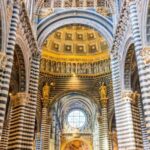
- Duomo di Siena Area: Gothic Beauty With Real Materials Behind It
- Facciatone Photo Stop: A Small Break That Helps Your Memories
- The Palio Legends: The Real Reason Siena Feels Personal
- Sweets, Shops, and Slow Flavor Stops (Even If You Don’t Stop Long)
- Price and Value: What You’re Paying For
- What to Bring and How to Plan Your Day
- Who This Private Siena Tour Is Best For
- Should You Book This Siena Private Tour?
- FAQ
- How long is the Siena private tour?
- Where do I meet the guide?
- Is this a private tour?
- What languages are available?
- Does the tour run in rain?
- What should I bring?
Key highlights you’ll actually remember
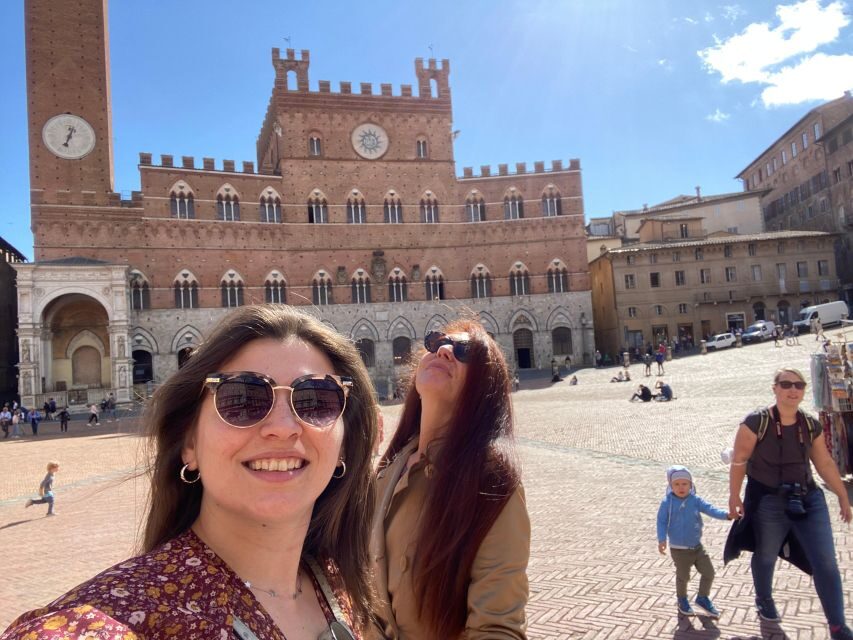
- Piazza del Campo: a guided look at the shell shape, Palazzo Pubblico, and the Torre del Mangia
- Duomo di Siena focus: Gothic beauty with clear context for what you’re seeing
- Palio legends and contrade culture: the stories that explain Siena’s loyalties and symbols
- Fonte Gaia: a famous sculptural stop tied to Renaissance art expectations
- Facciatone photo moment: an easy win for getting the cathedral facade from the right viewpoint
Why Siena Feels Like Medieval Life, Not a Costume
Siena isn’t trying to be modern. That’s the point. The streets keep their old feel, and the key spaces still work the way they did centuries ago: as gathering places, for power, for ceremony, for rivalry. On this private 2-hour tour, you’re not just looking at architecture—you’re learning how Siena’s identity was built and maintained.
What I especially like is the way your guide ties the visuals to stories. Piazza del Campo isn’t just a pretty square; it’s the stage where civic life happened. The Duomo isn’t only a pretty church; it’s a symbol wrapped in materials and design choices, including white marble, green serpentine marble from Prato, and red Sienese marble. When you connect those dots, the whole city reads better.
The tour also leans into legends. Siena’s past gets explained through what people say happened—like the story of Seno and Aschio, tied to the symbol of the Capitoline wolf. Even if you treat it as legend rather than strict history, it helps you understand why the city is heavy with meaning everywhere you turn.
Other private tours in Siena
Piazza Salimbeni: Your Easy Start Point
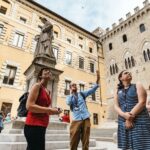
You meet at Piazza Salimbeni 1, in front of the statue of Sallustio Bandini. This is a practical meeting spot because it’s not buried in a side alley. You can also use it to get oriented before the tour begins—Siena’s center is best handled on foot, and a solid start makes the next 2 hours feel smoother.
Because the group is private, you’re not squeezed between strangers or forced into a pace that doesn’t fit. You can ask questions and get answers in English, German, Italian, Spanish, or French, depending on what you book. That matters in Siena, where details can be subtle and the stories are where the city really becomes memorable.
If you’re the type who likes to walk without constantly checking your phone, this starting location helps you settle in right away.
Piazza del Campo and Palazzo Pubblico: Siena’s Main Stage
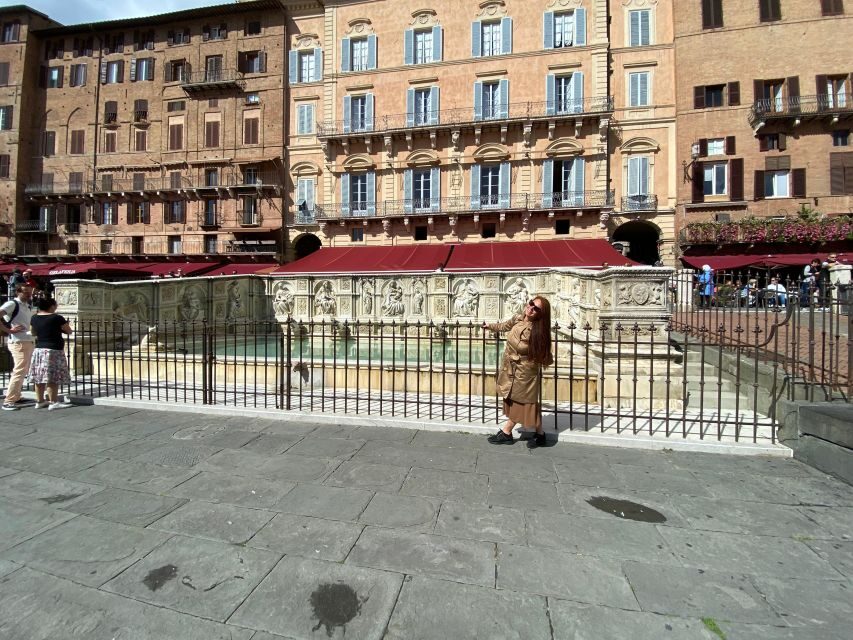
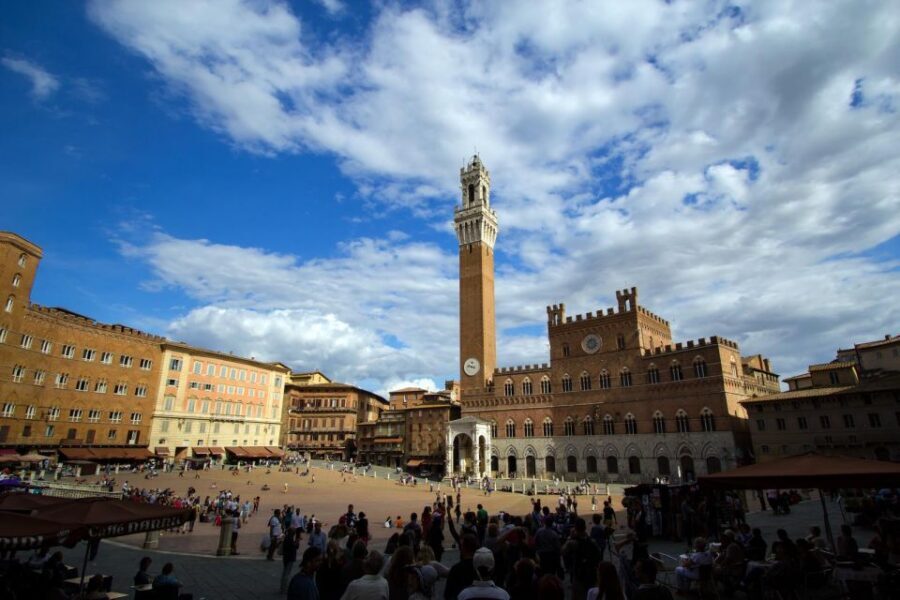
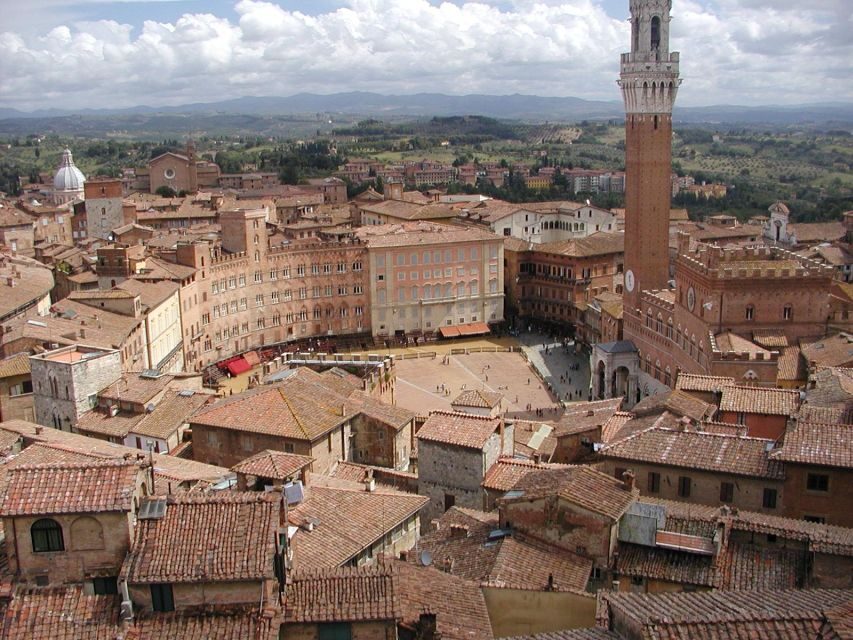
Your tour then heads to Piazza del Campo, with a guided portion of about 30 minutes. This is the heart of Siena for a reason. The square’s characteristic shell shape gives you an instant sense of how crowds and ceremonies were meant to work. From here, power and identity show up in stone.
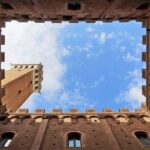
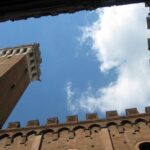
Your guide will point out the Palazzo Pubblico and the Torre del Mangia. Even if you’ve seen towers before, this one works differently because it sits inside Siena’s civic story. The Torre del Mangia isn’t just an object to photograph; it’s part of the skyline logic of the square.
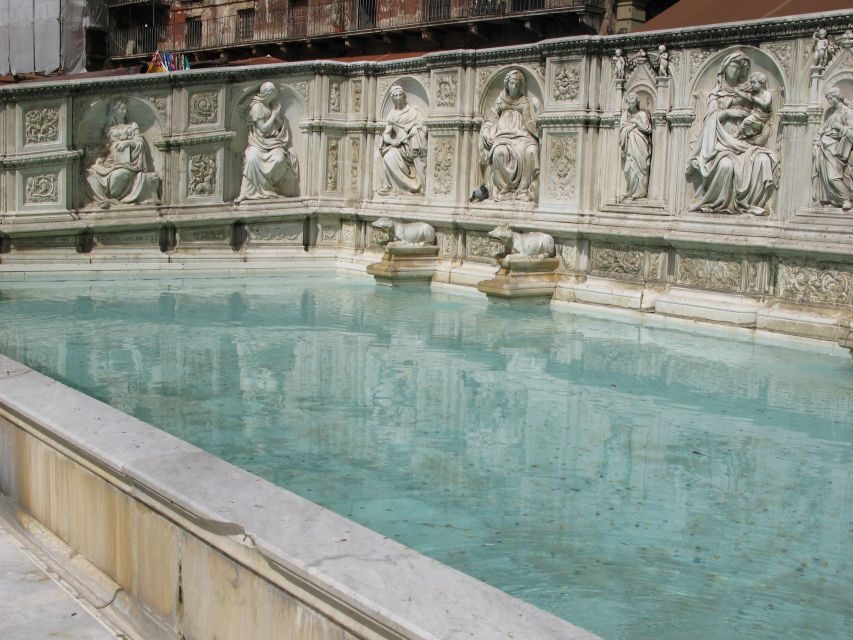
A smart bonus here is Fonte Gaia. It’s a model of Renaissance sculpture, and it gives you a “pause and look” moment that doesn’t require museum tickets or extra time. It’s the kind of stop where you understand why art and daily life mixed here. You’ll also get time to take in the square’s layout so you know where you’re standing and why it matters.
A potential drawback of this section: Piazza del Campo can be a busy place at certain times. The tour is planned for walking and guided viewing, but if you’re easily distracted by crowds, bring patience and focus on the guide’s landmarks so you still feel like you’re moving through the story.
Duomo di Siena Area: Gothic Beauty With Real Materials Behind It
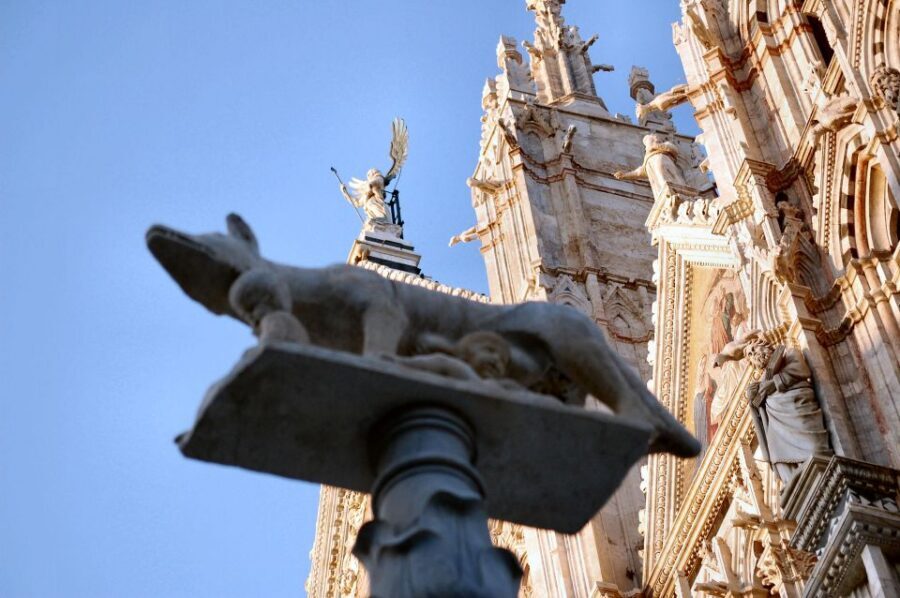
Next you reach Piazza del Duomo, Siena, again with around 30 minutes of guided time and walking. This is where the tour becomes more than “sightseeing checklist.” Your guide explains what you’re seeing and why Siena built the cathedral the way it did.
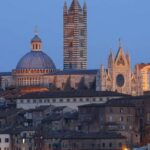
You’ll hear about the Duomo being Gothic in style, and the story includes the specific marbles used: white marble, green serpentine marble from Prato, and red Sienese marble. That detail is useful because it turns the building from a single look into a mix of choices. When you know different stone colors are part of the plan, you start noticing the transitions and how they catch light.
The cathedral square also rewards slow looking, even during a guided stop. Since this tour is short, I’d treat this as your “get the big picture” moment. If you want deeper time—like reading more inscriptions, studying side details, or sitting—plan to return later on your own.
One more practical note: comfortable shoes are a must. This is a walking tour through historic stone streets and open squares where the ground can feel uneven. You’ll enjoy the cathedral area more if your feet are happy.
Facciatone Photo Stop: A Small Break That Helps Your Memories
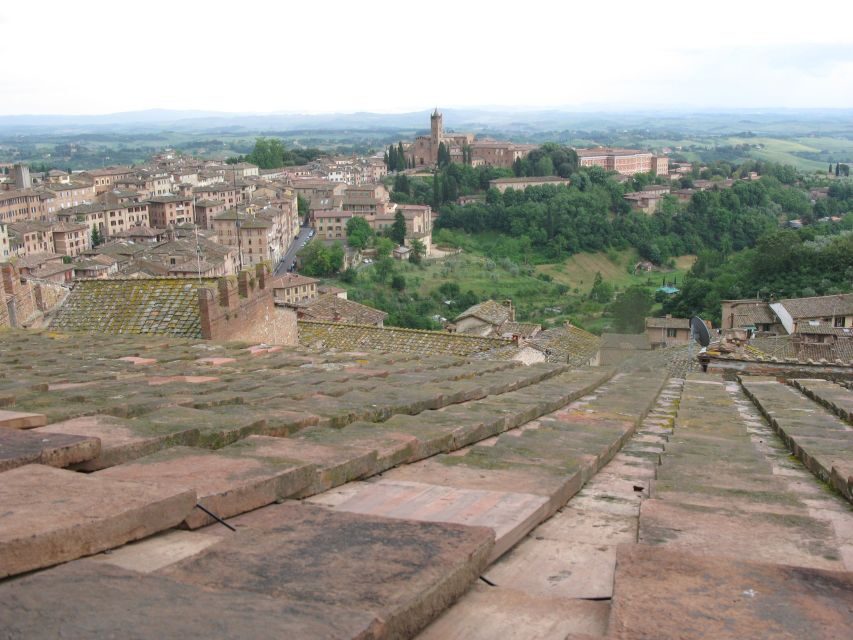
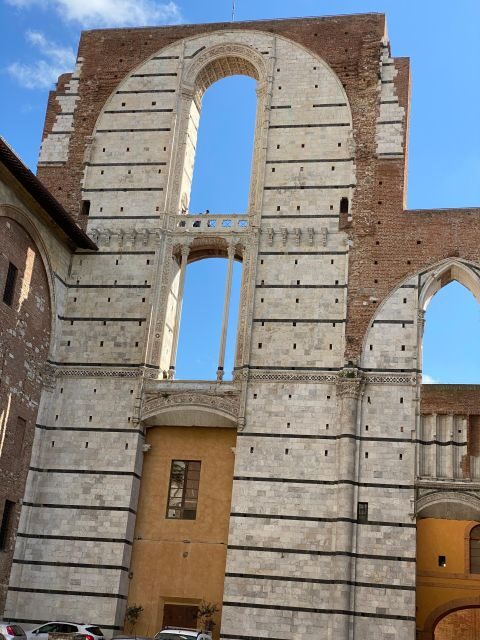
After cathedral square, you have a 15-minute Facciatone stop. This is listed as a photo stop with sightseeing and a bit of guided guidance.
Why this works: a lot of cathedral experiences fail because people take random photos from random spots. A short, focused photo stop helps you get a better angle without turning the rest of the tour into a picture-taking marathon. You’ll still have time to absorb what’s around you, and then you’ll be free to wander afterward with photos that match what you learned.
This is also where the tour’s “treasure chest” idea makes sense. The big headline sights are the Duomo and Piazza del Campo, but the Facciatone moment helps you collect a clear visual takeaway.
The Palio Legends: The Real Reason Siena Feels Personal
Here’s the heart of the experience: stories about the Palio and Siena’s contrade. You’ll hear that Siena’s customs and popular traditions center on a horse race that takes place twice a year. It’s not treated like a casual event; it’s a big deal to the people of Siena.
Your guide explains how supporters divide themselves into contrade (districts), and how those districts come with legends, fervor, and ancient symbols rooted in popular tradition. This isn’t just trivia. It’s a framework for understanding why you’ll see certain symbols repeatedly as you walk around.
Even the origin legend matters for context. The tour shares the story involving Seno and Aschio, sons connected to Remus, and ties that to the symbol of the Capitoline wolf seen across the city. Again, it’s presented as stories—so keep your focus on meaning over strict proof. The payoff is that you start seeing the city as a place where people keep telling their own stories in public.
If you like cultural context—rather than just architecture—this Palio section is what makes the tour feel worth doing. Otherwise, Siena can become a blur of stone and squares. With these explanations, it becomes a map of identity.
Sweets, Shops, and Slow Flavor Stops (Even If You Don’t Stop Long)
As you move through Siena’s narrow alleys, you’ll pass artisan shops, wineries, and typical sweet places. The tour includes the idea of Siena’s classic sweets—panforte, ricciarelli, and cavallucci.
You don’t need to buy anything to enjoy this part, but knowing what you’re looking for makes the street scenes more fun. A quick glance at shop displays becomes part of the cultural story instead of background noise.
If you do want to buy sweets, here’s a practical approach: treat it like a post-tour reward. The tour is only 2 hours, and you’ll get more out of it if you’re not mentally juggling purchases while listening.
Price and Value: What You’re Paying For
The price is $209.58 per person for a private 2-hour experience. That sounds steep until you think about what’s included: a local expert guide, a private group, live guided time, and a structured route through Siena’s key medieval sights.
So where’s the value? You’re not paying for a seat on a bus and a rushed group photo. You’re paying for someone who can explain the why behind what you see—Palio traditions, contrade symbolism, and architectural details like the marbles used in the Duomo. In a place like Siena, that guidance turns “pretty” into “understandable.”
Two hours also means you can fit this into a day without losing your whole afternoon. You’ll likely spend additional time on your own after the tour, but the guided portion acts like a fast orientation course for the city’s logic.
If you’re traveling solo or as a couple and prefer private time, this price may feel fair. If you’re on a tight budget and only want basic highlights, you could find cheaper group walking options. But if you want clarity, pacing that fits you, and a guide who can handle questions, this one makes sense.
What to Bring and How to Plan Your Day
This experience runs in shine or rain. Siena weather can shift, so plan like you’re in the middle of a film set: light can change quickly, and stone streets can feel slippery when wet.
Bring comfortable shoes. That one piece of advice matters because the tour mixes open squares with narrow historic lanes. If your feet are tired, you’ll miss details—especially in the cathedral area, where the marble and design choices are the real story.
In terms of timing, the tour lasts about 2 hours. If you have a tight schedule, aim for a time when you’re not already exhausted. You’ll get more out of the Palio explanations and the guided landmarks when you’re mentally fresh.
Who This Private Siena Tour Is Best For
This is a strong fit if you:
- Want a guided route that hits Siena’s biggest symbols without wasting time
- Like cultural context, especially Palio and contrade stories
- Prefer a private group where questions and pacing are easier
- Appreciate architectural details, like the Duomo’s Gothic style and marble choices
It’s less ideal if you:
- Want long free time in museums or churches beyond a quick guided look
- Plan to sprint through photos and don’t care about stories
- Need step-by-step accessibility planning that isn’t specified here
Should You Book This Siena Private Tour?
Yes, if your goal is to understand Siena in a short time and leave with both strong photos and real context. The guide-led focus on Piazza del Campo, the Duomo area, and the Palio legends makes the city feel coherent instead of random.
I’d especially consider booking if you value explanation—like what guide Valentina is praised for: clear background and good answers. For $209.58 per person, you’re buying focused time with a local expert, not just walking beside a landmark.
FAQ
How long is the Siena private tour?
The tour lasts 2 hours.
Where do I meet the guide?
You meet at Piazza Salimbeni 1, in front of the statue of Sallustio Bandini.
Is this a private tour?
Yes. It’s listed as a private group experience.
What languages are available?
The live guide is available in English, German, Italian, Spanish, and French.
Does the tour run in rain?
Yes, the activity takes place in shine or rain.
What should I bring?
Wear comfortable shoes, since the tour involves walking.