REVIEW · SIENA
Guided tour of Castiglione della Pescaia
Book on Viator →Operated by Maremmagica · Bookable on Viator
Morning walks here pay off fast. I like how a guided look at Castiglione della Pescaia turns a simple stop into a real sense of place, from medieval streets to the coastal rhythm just beyond. The two things I really enjoyed were the professional certified guide who keeps the story clear, and the way the town’s layout makes the views and seaside mood feel like part of the history. One consideration: this runs early and is listed for moderate physical fitness, so it helps if you’re comfortable with an on-foot morning.
In about 2 to 3 hours, you’ll focus on the medieval village and the local history that shaped it. I also like that it’s a private format up to 15 people, so you can ask questions without feeling like you’re being pushed along in a crowd. The only real drawback I’d watch for is weather: the experience notes it depends on good conditions, so plan to be flexible if rain or wind moves in.
In This Review
- Key points to know before you go
- Entering Castiglione della Pescaia from the medieval side
- The 2 to 3 hour guided walk: what you’ll actually do
- Medieval village history you can use while walking
- From old streets to coastal vibes: the town’s built-in contrast
- Timing it right: 8:00am starts feel made for orientation
- Price and value for a private group up to 15
- What’s included (and what you’ll need to handle)
- Who should book this guided medieval village walk?
- Before you go: small practical tips that help a lot
- After the tour: keep the day coastal and food-first
- Should you book this Castiglione della Pescaia guided tour?
- FAQ
- What is the duration of the guided tour of Castiglione della Pescaia?
- What time does the tour start?
- How much does the tour cost, and what group size is it for?
- What languages is the tour offered in?
- What’s included in the price?
- What is the cancellation policy?
Key points to know before you go
- Medieval focus, not a checklist: You’re walking for stories and local context in the old village.
- Certified guide value: You get a professional, certified tourist and environmental guide.
- Private group up to 15: It’s only your group, so pacing can feel more relaxed.
- Good morning timing: Start time is 8:00am, which helps before the day gets crowded.
- Private touring means fewer constraints: No mix-and-match strangers in the same briefing.
- Weather matters: If conditions are poor, the tour can be rescheduled or refunded.
Entering Castiglione della Pescaia from the medieval side
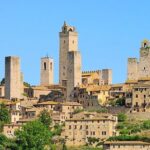
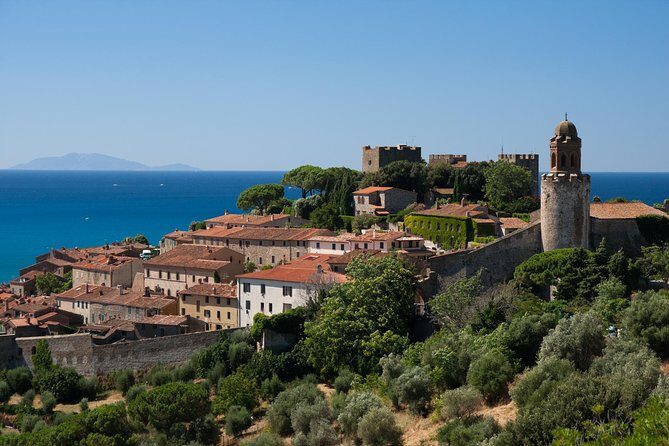
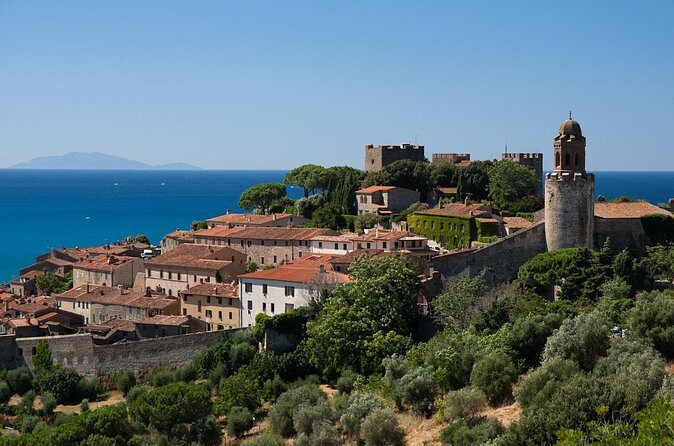
Castiglione della Pescaia is one of those Tuscan coast towns where the “real” story isn’t just in museums. It’s in how the old village sits above daily life, and how the sea keeps influencing the town’s character. Even if you arrive expecting beaches first, the guided angle nudges you to look upward and outward—why the settlement grew where it did, and how people lived around the water.
What I like most is that the history here doesn’t feel heavy. It’s delivered through streets, buildings, and how the town is arranged. You start to notice patterns fast: where vantage points would matter, how the medieval core protected people, and how daily life connects to the coastline below.
Also, this is Maremma coastline energy—practical, salty, and food-friendly. That matters because the history you learn on a walk sticks better when you can picture the people who ate, fished, traded, and traveled.
Other guided tours in Siena


The 2 to 3 hour guided walk: what you’ll actually do
This is structured as a guided walking experience centered on the medieval village of Castiglione della Pescaia—history plus the local “secrets” that make a place feel specific rather than generic. You meet at 58043 Castiglione della Pescaia, Province of Grosseto, and the tour ends back at the same spot.
With a total time of 2 to 3 hours, the pace is usually ideal for first-time visitors. Long enough to get oriented and learn the town’s logic, but not so long that you’re done with the day before lunch.
Here’s how I’d frame the flow you can expect:
- You’ll begin with an overview that sets the medieval context and explains what you’re looking at.
- Then you move through the historic quarter, where the guide points out the details that change what a street “means.”
- You finish having a better map in your head—so you can wander after the tour without feeling lost.
One thing to keep in mind: the exact street-by-street route isn’t spelled out in the info you get. So treat this as a guided experience for the medieval village area, rather than a guaranteed stop sequence like you’d see with major landmarks.
Medieval village history you can use while walking
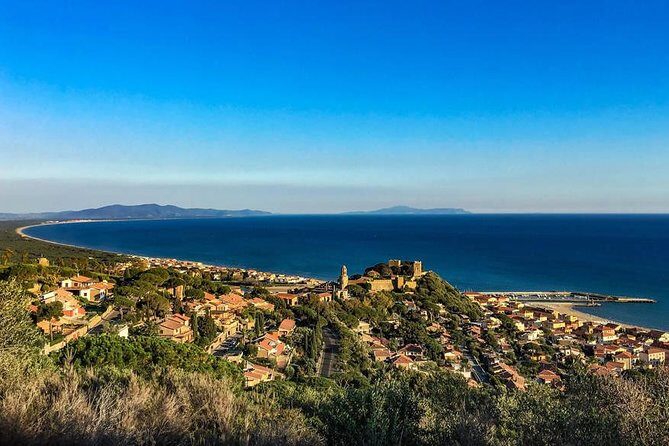
I like guided history that helps me see, not just hear. That’s what this style of tour is built for: the guide connects the history and secrets of the medieval village to the physical town you’re standing in.
When you’re learning about a medieval settlement, the best guide moments usually come from small, practical questions—like why a place was built in a certain spot, what protected it, and how people organized daily life in tight streets. A good environmental-and-tourism certified guide also tends to explain why the local setting mattered, not just when things happened.
The big win is that after the walk, the village feels readable. You’ll notice:
- which areas feel defensive (higher ground, tighter geometry)
- which corners feel like community spaces (places that naturally gather foot traffic)
- how the town’s older parts connect to the modern ones
That’s also why this kind of tour is worth it even if you’re not a big “history person.” If you can learn to read a town’s layout in a couple of hours, you get more out of the rest of your day.
From old streets to coastal vibes: the town’s built-in contrast
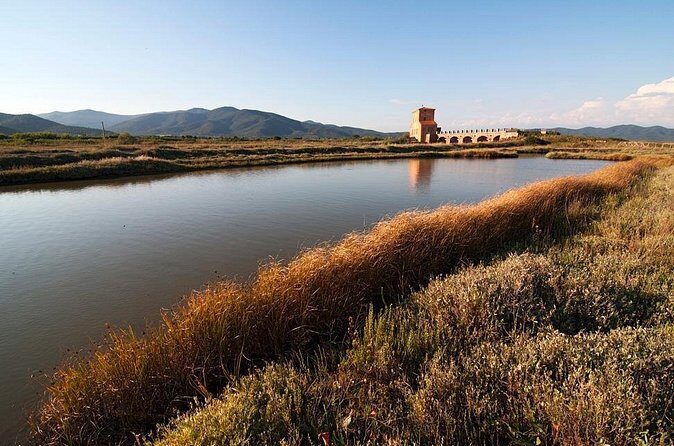
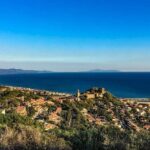
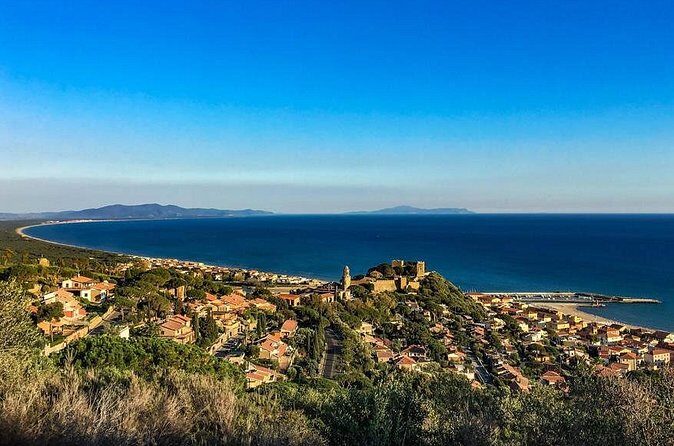
Castiglione della Pescaia has a satisfying “two-level” feeling: medieval village energy above, and seaside life below. Even when your guide is focused on the medieval core, you’ll still be in a town where the water influences everything.
In practical terms, this means you can enjoy the story, then immediately enjoy the setting. After a walk through old lanes, it’s easy to switch gears to the coastline: the promenade, harbor atmosphere, and beach life.
From my perspective, the best moments in towns like this are the transitions—where you step out of narrow lanes and suddenly the air feels lighter. If your route includes viewpoint edges, you’ll likely get that sense of why the town earns its views. And even if you don’t linger long at the sea during the 2–3 hour window, you’ll leave the medieval section with a clearer reason to go exploring lower down.
Also: the reviews around the town’s food culture point to a very real advantage here. You’re in a place where fish and salads are natural choices, and restaurants feel integrated into the promenade and everyday coastal life rather than stuck behind tourist gloss.
Timing it right: 8:00am starts feel made for orientation
The tour starts at 8:00am, and that’s not a throwaway detail. Early tours give you two benefits:
- Your brain absorbs history better when you’re not fighting heat and crowds.
- You get your bearings before you start making choices about beaches, food, and sightseeing.
Even if you plan to relax later, that morning clarity matters. A guided walk is most valuable when you can translate it into decisions—where to go next and what to look for without second-guessing.
One more practical note: the experience lists moderate physical fitness. That doesn’t mean you need to be an athlete, but it does suggest you’ll be on your feet for the duration of the walk. If you’re managing mobility issues, consider how steady you can be on uneven stones and uphill stretches typical of medieval quarters.


Price and value for a private group up to 15
The price is $173.64 per group (up to 15 people), for 2 to 3 hours. That pricing model is what makes this one interesting value-wise.
How to think about it:
- If you travel as a small group, the cost per person can be very reasonable compared to per-person ticket pricing.
- If you’re a larger group (closer to the 15-person limit), it’s even better value—because you’re effectively splitting the guide and tour fee across more people.
- If you’re traveling solo, it’s still a fair option only if you specifically want a private, guided pace rather than joining a larger public tour.
Also, because it’s described as private—only your group participates—you’re not dealing with the friction of different interests. That’s especially helpful on a history-focused walk, where questions and pacing can make the difference between hearing facts and actually getting the town.
As for booking timing, this one is commonly reserved about 45 days in advance on average. If your dates are fixed, that’s your hint to plan ahead rather than waiting for a last-minute gamble.
What’s included (and what you’ll need to handle)
You’re getting a professional and certified tourist and environmental guide. That’s the core value driver here: the guide is the product.
Not included is transportation to reach the starting point. So you’ll want to plan your route to Castiglione della Pescaia and be ready for the meet location there. The info also says it’s near public transportation, which helps if you’re not driving.
You’ll also get a mobile ticket and the tour is offered in English.
Who should book this guided medieval village walk?
This tour fits best if you want:
- a guided orientation to Castiglione della Pescaia’s old center
- history explained in a walking, street-level way
- a private group format (up to 15 people) that feels flexible
It’s less ideal if you’re looking for a long beach day or a pure “top sights in one shot” itinerary. This one is about understanding the medieval village. You’ll get enjoyment right away, but the full payoff comes when you then explore on your own with better context.
It also works well for couples, friends, and families who want guided time without being swallowed by a big group. And since it’s English-led, it’s a solid choice if you prefer not to play guesswork with your own translation skills.
Before you go: small practical tips that help a lot
Even without a detailed packing list, a morning walking tour has a few obvious needs. I’d plan for:
- comfortable walking shoes with good grip
- sun protection (start time is early, but coastal Tuscan weather can still warm up fast)
- water in your day bag
Because it’s described for moderate physical fitness, you should also judge whether the walking pace and likely medieval streets work for you.
One more detail: service animals are allowed, and the experience is near public transportation. That’s useful if you’re building your day around a simple, low-stress arrival.
After the tour: keep the day coastal and food-first
Once you’ve gotten your medieval orientation, the best thing is to shift into leisure mode. Castiglione della Pescaia is set up for it.
Based on the town’s reputation, you can lean into:
- a promenade stroll with places to eat and drink
- harbor views around motorboats and sailboats
- time down at the beach, where parts can be equipped with sunbeds and umbrellas for rent
- a meal that leans fish and salads, which fit the coastal mood naturally
If you want a quick lunch idea, the restaurant Alga (listed at Via Montebello 27) comes up as a go-to for good taste and sweets. It’s also a useful name to remember because the area around it gets referenced as a meeting point between the borgo and the aquatic reserve.
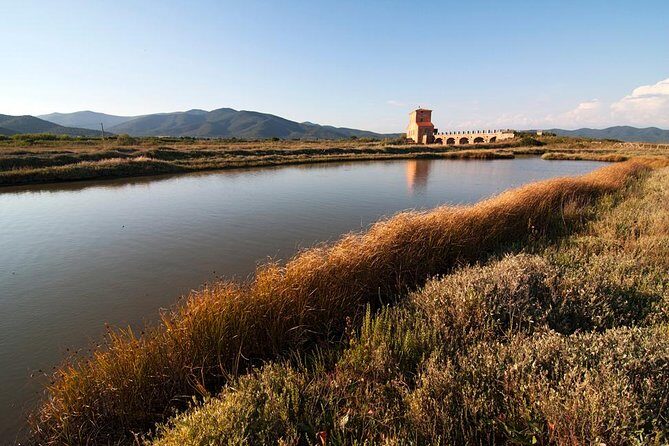
Speaking of which: if you want to extend the day beyond the medieval streets, look into the aquatic reserve area mentioned by locals and visitors as a calm meeting spot. It’s a nice contrast to the old village, and it’s the kind of place that makes the “coastal plus nature” feel click.
And if you’re craving one extra high viewpoint: the town’s castle is tied to the identity of Castiglione della Pescaia. Even if you don’t spend long there during the guided portion, putting it on your self-guided list can pay off, especially when you want panoramic photos without a rushed schedule.
Should you book this Castiglione della Pescaia guided tour?
I’d book it if you want an easy, structured way to understand the medieval heart of a coastal Tuscan town. The private group setup, the certified guide, and the fact that it’s only 2 to 3 hours make it a low-risk add-on that improves the rest of your day.
Skip it only if your goal is mainly beach time, long drives to big sights, or a fully itemized itinerary of specific landmarks. This is for people who like walking, learning, and then using that knowledge to wander smarter.
If your dates are tight, book early—this one often gets reserved well ahead. And if weather looks shaky, be ready with Plan B, since the experience is tied to good conditions.
FAQ
What is the duration of the guided tour of Castiglione della Pescaia?
The tour lasts about 2 to 3 hours.
What time does the tour start?
The start time is 8:00 am.
How much does the tour cost, and what group size is it for?
It costs $173.64 per group, with up to 15 people per group.
What languages is the tour offered in?
The tour is offered in English.
What’s included in the price?
The price includes a professional and certified tourist and environmental guide.
What is the cancellation policy?
You can cancel for a full refund up to 24 hours before the experience’s start time. The tour also depends on good weather; if it’s canceled due to poor weather, you’ll be offered a different date or a full refund.