REVIEW · SIENA
Siena Highlights Private Walking Tour With A Guide (Private Tour)
Book on Viator →Operated by Guydeez · Bookable on Viator
Siena rewards slow walking. This private route through Siena’s biggest public spaces and power centers gives you the story behind what you’re seeing, from the Palio to the Cathedral square.
I like that it stays focused on the places that shape the city’s identity, not a long checklist of random stops. It’s designed as a guided city walk that helps you read Siena like you live there.
What I like most: you get a customized guide-led experience with just your group, and the route covers major landmarks plus lesser-seen palaces. I also appreciate that each stop is timed so you’re not stuck in one spot, while still getting enough context to understand what matters.
One consideration: it’s a walking tour with lots of steps, and it’s not a monument-entry day. Also, tickets and food aren’t included, so if you want more inside time or special entries, you may pay extra.
In This Review
- Key highlights worth planning for
- Why This Siena Highlights Tour Works (Even If You Only Have a Few Hours)
- Piazza del Campo: The Square That Explains Siena’s Attitude
- Basilica Cateriniana di San Domenico: Saint Catherine’s Legacy in Stone
- Via Camporegio: The Street Where Siena Feels Lived-In
- Palazzo Tolomei Garzoni: Noble Power, Up Close (Without a Crowd Crush)
- Palazzo Salimbeni: Monte dei Paschi and Siena’s Money Story
- Palazzo Pubblico and Museo Civico: Where Siena’s Governance Lived
- Piazza del Duomo: UNESCO-Listed Cathedral Square at Human Scale
- Siena Cathedral: Italian Gothic Details You’ll Actually Notice
- Price, Logistics, and How to Get True Value
- Who This Tour Suits Best
- Should You Book This Siena Highlights Private Walking Tour?
- FAQ
- How long is the Siena highlights private walking tour?
- What does the tour cost?
- Is this tour private and exclusive?
- What languages do the guides speak?
- Is this a walking tour inside monuments?
- Where do we meet, and is free cancellation available?
Key highlights worth planning for
- Private, exclusive guide time: No mixing with other groups.
- Palio context at Piazza del Campo: You’ll understand what makes the square so important.
- Duomo-area orientation: You get a guided, UNESCO-style overview in one stretch.
- Palaces beyond the postcard set: Palazzo Tolomei, Salimbeni, and Palazzo Pubblico add depth.
- Guides who adapt: Stories from Andrea and others show real flexibility when plans go sideways.
- A city walk, not a museum binge: It’s mainly about what you can see and learn on the move.
Why This Siena Highlights Tour Works (Even If You Only Have a Few Hours)
A good Siena tour helps you connect dots fast. You’ll start in the places where the city’s government, pride, and money all made decisions, then you’ll move through side streets and civic buildings so the Duomo area doesn’t feel like an isolated stop.
This is priced at $108.14 per person for about 3 hours, which is a fair ask when you’re getting a private guide and a structured route. With a private format, the value isn’t just the information—it’s the pace. You can ask a question, linger for photos, or slow down if the walk feels like a lot.
The itinerary is also built around what’s easiest to enjoy on foot. Most stops are short (around 20–30 minutes), which keeps momentum high and helps you avoid the tired “we’ve seen it all” feeling that hits long group tours.
Finally, the tone is practical. Guides cover the big themes—Siena’s families, its civic life, and the meaning of places—so the city starts to make sense, not just look pretty.
Other walking tours we've reviewed in Siena
Piazza del Campo: The Square That Explains Siena’s Attitude
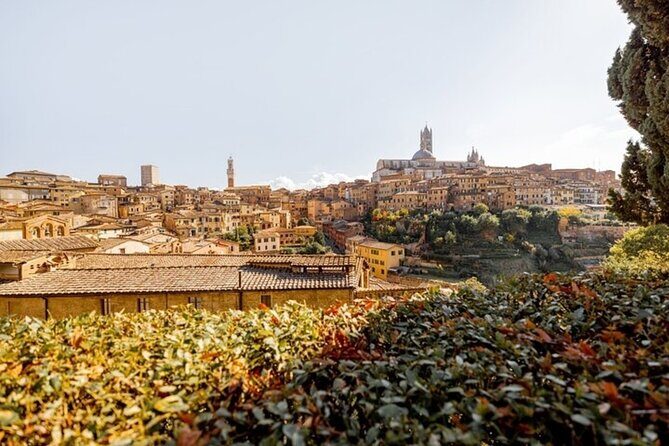
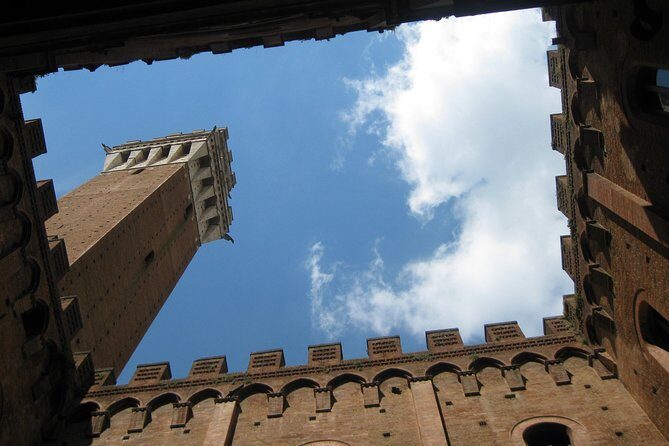
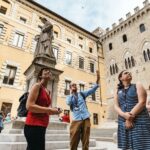
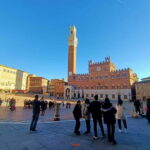
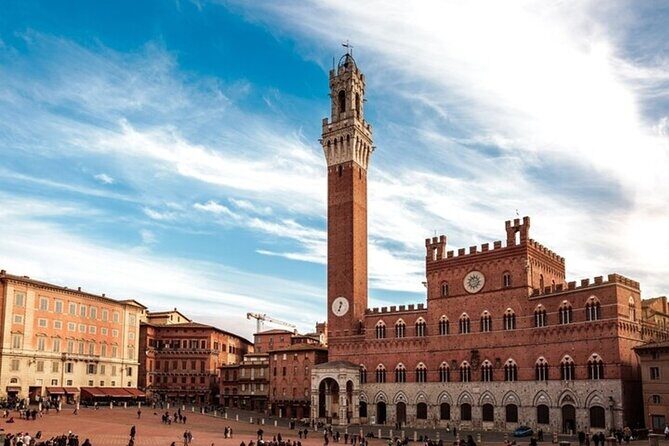
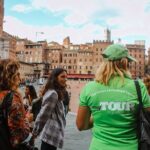
You’ll begin at Piazza del Campo, Siena’s best-known medieval main square. This is where the city’s identity shows up in architecture, tradition, and street-level energy.
Your guide will point out the Palazzo Pubblico and the Torre del Mangia (so you know what you’re looking at). You’ll also get the essential context for the Palio horse race—not just the headline version, but why the square matters for the tradition and how the whole setting supports it.
This is one of the stops where a guide pays for itself. The buildings aren’t self-explanatory. With the right explanation, you’ll notice details you would miss walking past.
A heads-up: Piazza del Campo is a major focal point, so it’s visually packed. If you’re the type who likes wide, quiet photo time, ask your guide for the best moment to step back and frame the square.
Basilica Cateriniana di San Domenico: Saint Catherine’s Legacy in Stone
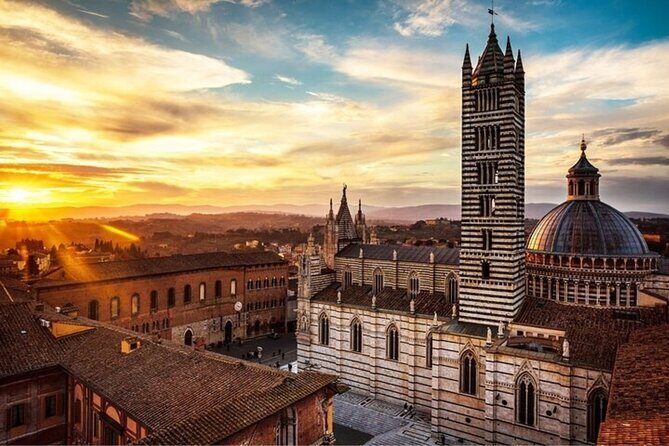
Next up is Basilica Cateriniana di San Domenico, connected to Saint Catherine of Siena, one of Italy’s patron saints. Even if you don’t consider yourself a church person, this stop helps you understand why Siena takes spirituality so personally.
Expect a guided look at the church’s architecture and what you can find inside—artworks and religious relics—plus explanations about Catherine’s life and lasting impact. A good guide makes the art feel less like decoration and more like a set of messages the city kept repeating over generations.
This is also where you can slow down a bit. A short basilica stop can work as a reset before you move back into the urban maze of streets and palaces.
The only caution: since the tour is described as a city walk and not a monument-entry tour, don’t plan this as a long, deep museum-style visit. You’ll get guided highlights, but it won’t replace a full, ticketed cathedral or basilica day.
Via Camporegio: The Street Where Siena Feels Lived-In
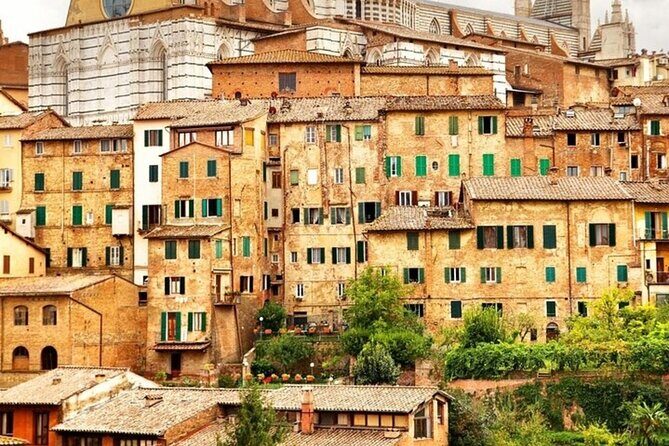
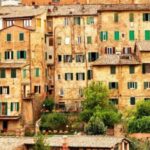
Then you head to Via Camporegio, a street known for medieval-style architecture and those narrow alley corners that make you look down instead of up.
This is a “change of pace” stop. You’ll stroll, not sprint, and the guide will connect the street to daily life in Siena—how people moved, lived, and organized their world beyond the big squares.
I like stops like this because they stop the tour from becoming only sightseeing. You start noticing the texture of the city: the way passages funnel you, how streets relate to landmarks, and how the city’s layout affects walking routes.
If your goal is to get a feel for Siena beyond the obvious monuments, this street stop is a big part of the payoff.
Palazzo Tolomei Garzoni: Noble Power, Up Close (Without a Crowd Crush)
At Palazzo Tolomei Garzoni, you’ll shift from public square drama to the private world of noble families. Your guide will talk about the palace’s history and who once lived there.
This stop matters because it balances the story. Siena isn’t only civic halls and grand churches. It’s also family power—families that shaped territory, influence, and the city’s internal map.
One subtle win here is that palaces can be easy to misunderstand on your own. From the outside, they look like impressive facades. With the guide’s framing, you start seeing what made these buildings meaningful: status, political weight, and long ties to the city.
If you’re someone who loves architecture but doesn’t want a full history lecture, this is a good “short but focused” stop.
Other guided tours in Siena
Palazzo Salimbeni: Monte dei Paschi and Siena’s Money Story
Next is Palazzo Salimbeni, a Renaissance palace tied to the Monte dei Paschi di Siena, described as one of the oldest banks in the world. Your guide will explain the palace’s significance and what role it played.
This is a clever stop for anyone who thinks the tour should stay only with medieval Siena. Money is a form of power, and Siena’s civic identity isn’t separable from finance and institutions.
I also like that this stop adds variety. After church art and civic buildings, a banking-history angle makes the city feel less one-dimensional.
Again, expect outside-focused sightseeing and guided context. If you want deep interior access, you’d need to plan that separately.
Palazzo Pubblico and Museo Civico: Where Siena’s Governance Lived
Then you arrive at Palazzo Pubblico e Museo Civico, Siena’s historic town hall. Your guide will help you read the building’s medieval architecture and explain the political history tied to it.
This is one of the most important stops on the route because it ties together everything else. The Palio tradition makes more sense when you understand what the city’s civic culture has valued. The family influence makes more sense when you see how governance was organized.
Also, this is a good moment to ask questions. The information can connect to flags, family territory, and why certain buildings were built with such confidence.
A practical tip: because this stop is about politics and art inside museum space is referenced, pay attention to how your guide handles what’s visible. If you want maximum indoor time, ask your guide early whether there’s time for extra viewing once you’re inside.
Piazza del Duomo: UNESCO-Listed Cathedral Square at Human Scale
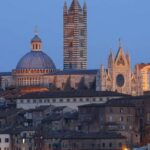
Next comes Piazza del Duomo, a UNESCO World Heritage site. This is where the tour becomes a visual payoff.
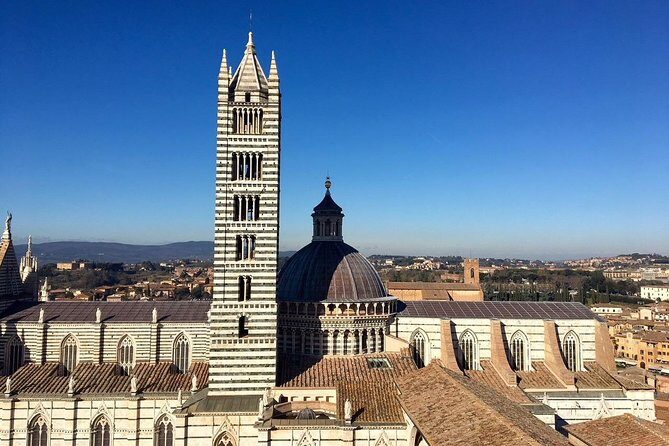
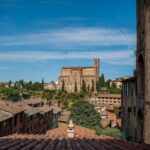
Your guide will walk you through the overall composition: the Siena Cathedral (Duomo di Siena), the Baptistery of San Giovanni, and the way the square frames the Torre del Mangia area in the broader civic setting. Even if you’ve seen photos, having someone point out relationships between buildings helps you orient fast.
This stop is ideal for first-time visitors who feel overwhelmed. The Duomo area can look like one big masterpiece, and the guide breaks it into parts so your brain can store it.
If you’re coming for architecture, this square should feel like the tour’s center of gravity. If you’re coming mainly for ambiance, it still delivers—the whole space is designed to be walked through and looked at from multiple angles.
Siena Cathedral: Italian Gothic Details You’ll Actually Notice
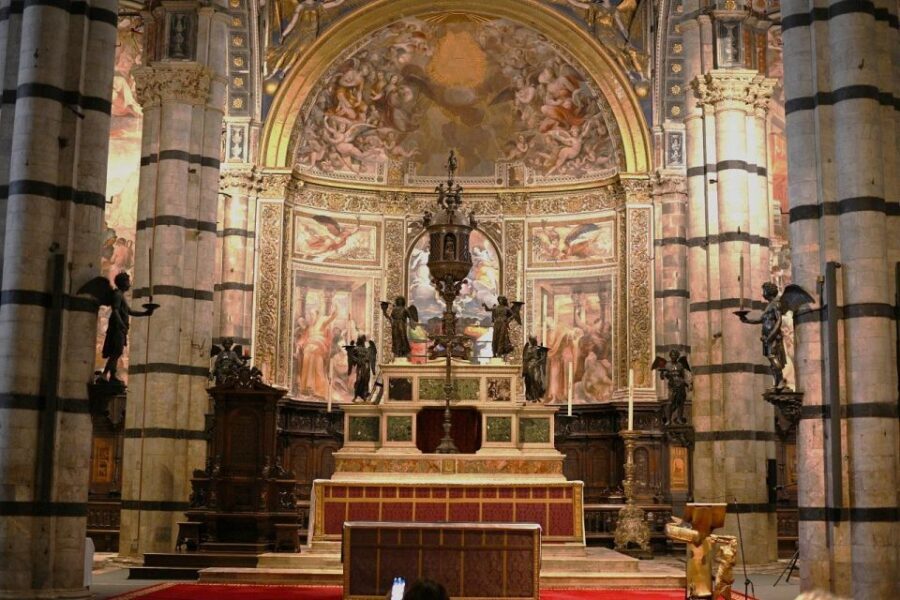
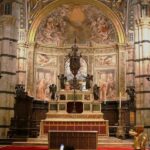
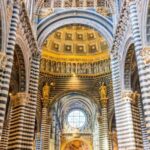
Finally, the tour focuses on Siena Cathedral itself. You’ll admire its intricate facade with sculpture and mosaics, then step inside for the interior highlights.
A guided stop here is mostly about attention. It trains you to spot details you might ignore if you were just passing through: artistic motifs, how different parts of the facade tell different stories, and the religious significance behind what you’re seeing.
This stop is also where a guide can tailor the pace to your interest. If you want quick wow-factor viewing, your guide will keep things moving. If you want slower looking, you’ll have a chance to get closer to the art and structure.
Just remember: this is not described as a long, ticket-driven deep dive. It’s timed, guided, and meant to complement the whole route.
Price, Logistics, and How to Get True Value
At $108.14 per person for about 3 hours, the real value here is the private time and the route design. You’re not paying to stand in line or cover one monument; you’re paying for interpretation—how Siena fits together.
That interpretation is strongest because the stops are connected:
- civic buildings (government),
- religious sites (Saint Catherine’s legacy),
- palaces (family and institutional power),
- and streets (daily life texture).
Included essentials are straightforward: a walking tour, a private/exclusive format, and a guide who speaks English, Spanish, or Italian. You’ll also get help from the team to book tickets for desired visits, while listed stops are noted as admission ticket free.
What’s not included matters too:
- Tips (optional),
- drink and food,
- tickets to attractions (if you decide to add anything beyond what’s included),
- and transport during the tour.
If you want to maximize value, plan for light snacks and water on your own. And if you know you’ll want extra interior time at a specific site, ask your guide early how the schedule can flex.
Also, a heads-up from real-world pacing: some guides have led walks where people logged 10,000+ steps and even 15,000 steps in about three hours. Wear real walking shoes, not fashion sneakers.
Who This Tour Suits Best
This Siena highlights walk is ideal if you want:
- a structured introduction to the city in a short window,
- a guide who can explain the Palio and Siena’s civic culture,
- and a route that mixes big squares with palaces and calmer streets.
It’s also a solid choice if you prefer private pacing. One review story included Andrea adjusting plans when weather delayed the group and helping during a stressful medical situation by arranging transport and translating throughout. That kind of calm responsiveness is worth something when you’re traveling with family, older relatives, or anyone who might need a slightly slower rhythm.
If your ideal day is long museum time inside major attractions, this might feel a bit light. This tour is described as a city tour and not a tour inside the monuments. You’ll get guided highlights, not a full-blown indoor marathon.
Should You Book This Siena Highlights Private Walking Tour?
I’d book it if you want Siena to feel understandable fast. The mix of Piazza del Campo, the Duomo square, and the civic/palace stops gives you a strong mental map. The private format means you’re not stuck waiting for a big group to catch up, and the guide can shape the walk to your interests.
Skip it (or plan something else alongside it) if you want a long, ticket-heavy, inside-only itinerary. And if walking distance is a concern, go in with the expectation that you may rack up a lot of steps, then talk to the guide about pacing early.
If you can handle a guided walk and you care about meaning—not just photos—this tour looks like a strong value for a first or second visit to Siena.
FAQ
How long is the Siena highlights private walking tour?
It’s about 3 hours long (approx.).
What does the tour cost?
The price is $108.14 per person.
Is this tour private and exclusive?
Yes. It’s a private tour/activity, and only your group will participate.
What languages do the guides speak?
The tour is offered with an in-person guide who speaks English, Spanish, or Italian.
Is this a walking tour inside monuments?
It’s a city tour and described as not being a tour inside the monuments. You’ll see and learn through guided stops while walking.
Where do we meet, and is free cancellation available?
You meet at Viale Curtatone, 15, 53100 Siena SI, Italy, and the tour ends back at the meeting point. Free cancellation is available up to 24 hours in advance for a full refund.