REVIEW · SIENA
Siena: Wine tasting Experience with Tuscan Sparkling Wines
Book on GetYourGuide →Operated by Perlage Enoteca · Bookable on GetYourGuide
A short stop in Siena can teach you a lot fast. This Tuscan sparkling wine tasting turns a simple pour into a real education, set in Enoteca Perlage’s classic old-town space. I like how the flight links grapes and methods to Tuscany’s different growing areas, from Chianti hills to the coast. You’re not just drinking; you’re learning what to notice and why it matters.
What I really like is the tight focus: you taste three different sparkling wines in about an hour, so you can actually compare them. Another big plus is the format—small group of up to 10—so you can hear the guide and ask questions without shouting over anyone’s clinking glass.
One consideration: the experience includes local delicacies with your pours, but it’s not built as a full aperitivo meal. If you’re expecting more food or a larger amount of wine for the price, you might leave wanting just a little more.
In This Review
- Key things to know before you go
- Enoteca Perlage in Siena: the right setting for sparkling wine basics
- The 1-hour flow: what you’ll actually do (and what you’ll learn)
- Your first pour: Sangiovese sparkling and the Chianti connection
- Trebbiano and Vermentino: the tasting trick that sharpens your palate
- Champenoise, Charmat, Ancestral: bubbles with different personalities
- The pairing with local delicacies: why food is part of the lesson
- Price and value: is $41 fair for 3 wines in Siena?
- Practical tips: how to get the most from your hour
- Getting there: Enoteca Perlage near Piazza del Campo
- Who should book this sparkling wine tasting?
- Should you book? My honest take
- FAQ
- How long is the Siena sparkling wine tasting?
- Where does the tasting start?
- What’s included in the tasting?
- Which grape varieties will you taste?
- Which sparkling wine methods are included?
- How big is the group?
- What languages are available for the instructor?
- Is it suitable for children?
- What are the cancellation rules and payment options?
Key things to know before you go
- Enoteca Perlage in Piazza Indipendenza puts you close to central Siena, easy to reach on foot.
- 3 wines in 1 hour means fast, useful comparisons between styles.
- You’ll taste Tuscan grapes used for still wines: Sangiovese, Trebbiano, and Vermentino.
- The tasting covers three production approaches: Champenoise, Charmat, and Ancestral.
- You get pairings with local delicacies, so flavors make sense beyond the glass.
- The guide teaches in English, French, and Spanish, for a smoother experience.
Enoteca Perlage in Siena: the right setting for sparkling wine basics
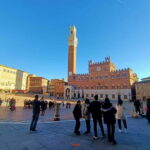
Siena is all stone streets and easy wandering, but a wine tasting needs one thing: good conversation space. This one happens at Enoteca Perlage in Piazza Indipendenza, near the taxi rank and about 20 meters from Piazza del Campo. That location matters. You’ll spend less time hunting and more time learning.
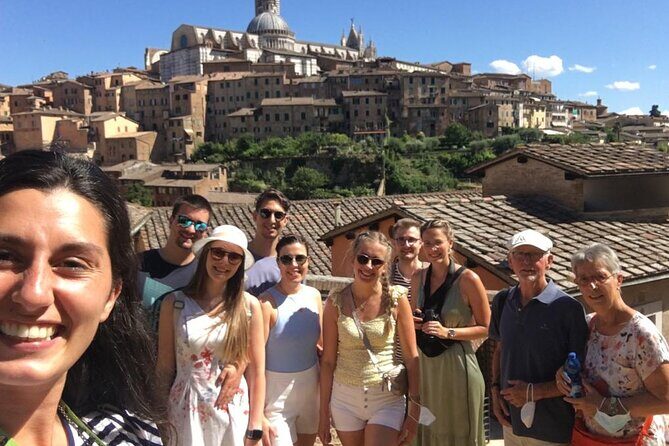
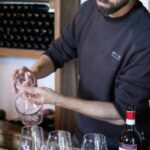
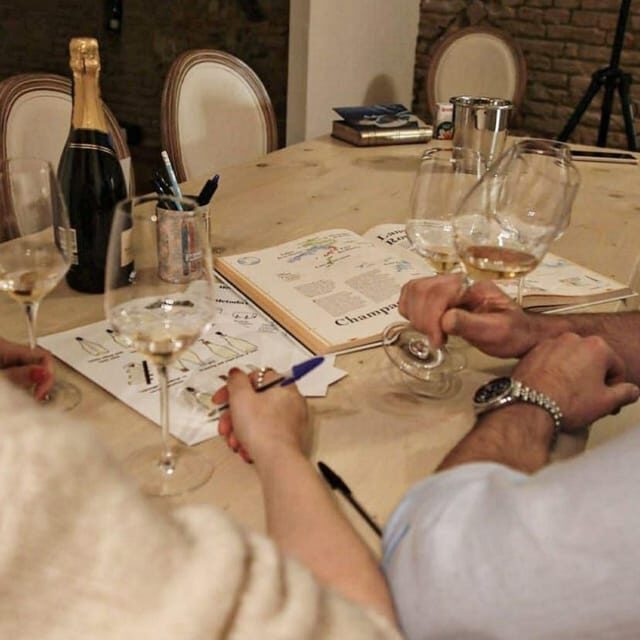
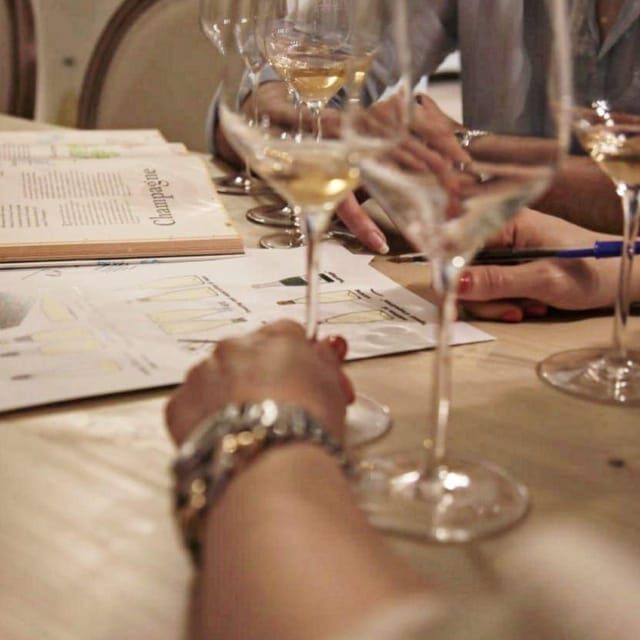
Inside, the setup is intimate and table-based. You’re seated at a nicely set table, and the tasting stays organized enough that you won’t feel like you’re standing around waiting for the next pour. The group stays small (up to 10), which makes a difference with wine education—if you can’t hear, the whole lesson drains out.
Also worth noting: the instructor is there for your questions, not just for announcements. And since the languages offered are English, French, and Spanish, you can expect the explanations to land clearly. If you’re new to sparkling wine, this is a friendly way in. If you already know your bubbles, it still gives you sharper comparison points.
Other Tuscan winery tours we've reviewed in Siena
The 1-hour flow: what you’ll actually do (and what you’ll learn)
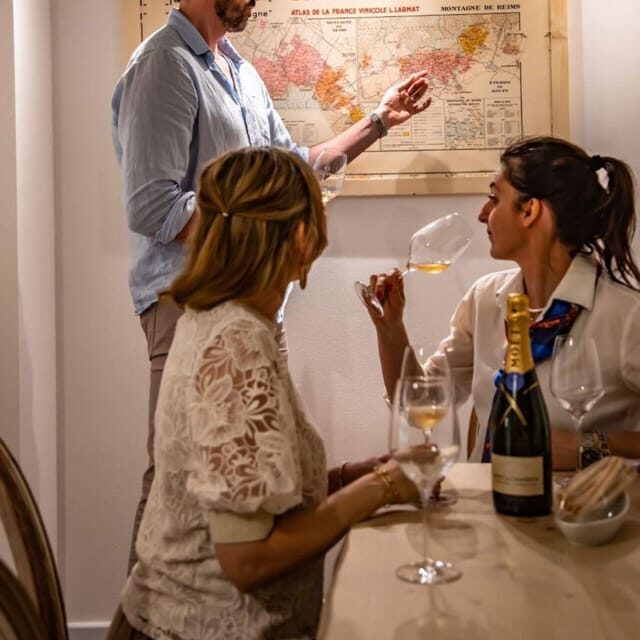
This is a 1-hour tasting, so the pacing is purposeful. You’ll start with a welcome at the venue, then the educator explains how sparkling wine can reflect both grape choice and the way bubbles are made. This is the core idea you’ll carry home: two bottles can be made from grapes from the same region, yet taste noticeably different because the production method changes how flavors and texture show up.
Across the flight, you’ll taste three sparkling wines. The grapes are historically significant Tuscan varieties used for still wines—Sangiovese, Trebbiano, and Vermentino. That alone is a great lesson because it breaks the common assumption that sparkling wine is only about a single “default” grape or a single winemaking style.
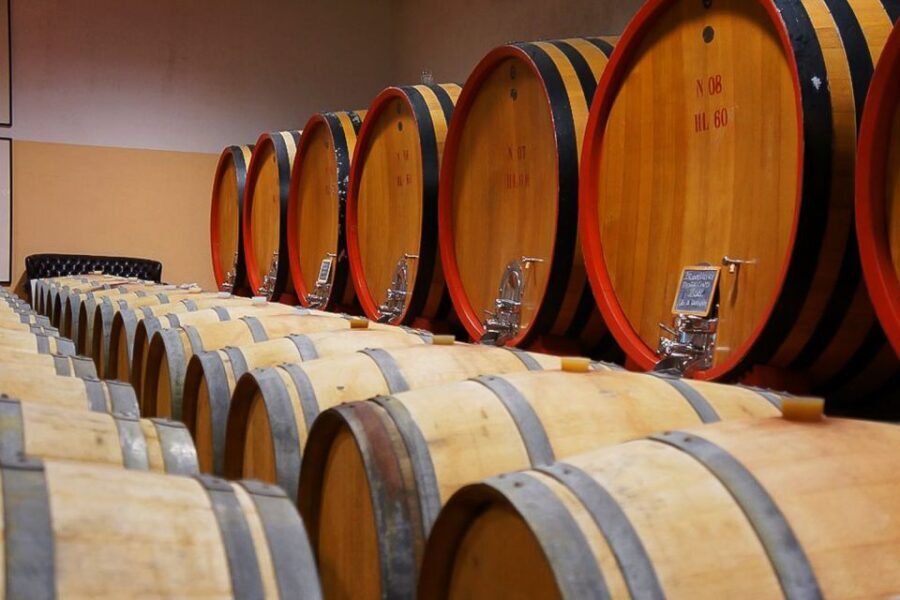
Then comes the production-method education: you’ll experience the Champenoise Method, Ancestral Method, and Charmat Method through what’s in your glass. The educator doesn’t treat these as fancy labels. The goal is to show you what those methods do to the final wine so you can recognize the differences later.
You’ll also get local delicacies paired alongside the tastings. This is practical. Food can highlight acidity, texture, and flavor direction—so you learn faster than you would by sipping alone. Finish it with the final toast, and you’re left with a simple takeaway: you can make smarter choices when you see a bottle from Tuscany.
Your first pour: Sangiovese sparkling and the Chianti connection
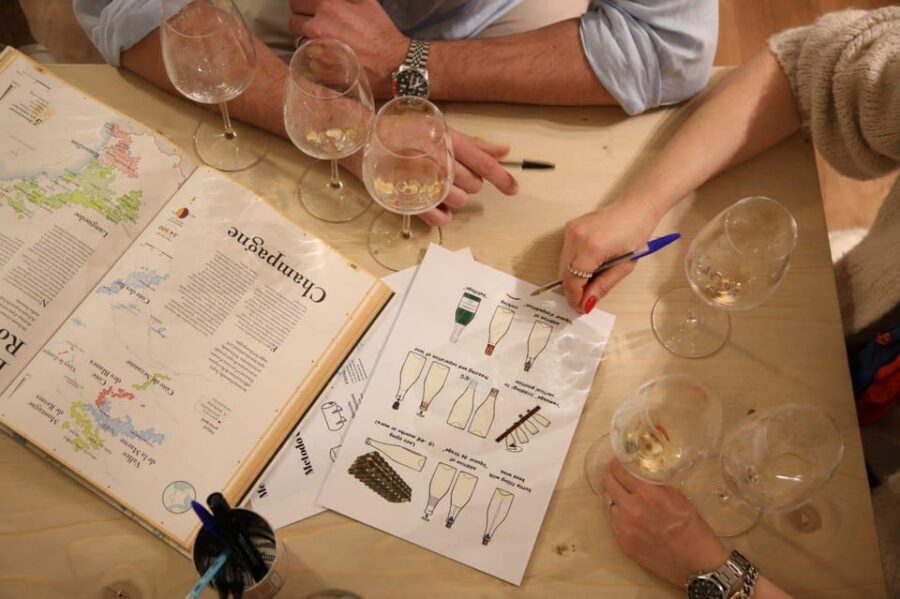
Let’s talk about Sangiovese, because it’s one of Tuscany’s most identity-heavy grapes. In still wine it’s famous for structure and personality. In sparkling form, it tends to be a great way to learn how bubbles affect the way you perceive acidity and fruit.
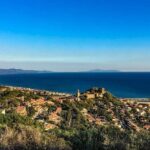
During the tasting, you’ll hear how Tuscany’s regions contribute to what’s in the bottle. The education frames Tuscany as a patchwork, which helps you understand why the same grape can feel different depending on where it’s grown. The context given includes areas like the Chianti Classico hills and beyond, down toward warmer coastal zones (like Maremma).
For you, the value here is clear: you’re not memorizing wine trivia for trivia’s sake. You’re learning a comparison framework. When you taste Sangiovese as sparkling wine, pay attention to:
- The balance of freshness versus fruit
- How the bubbles feel (light and lively or more gentle and round)
- Whether the wine seems more savory, more citrusy, or more fruit-forward
Even if you’re a total beginner, you can still do this. The educator’s job is to guide your attention so you’re not just guessing.
Trebbiano and Vermentino: the tasting trick that sharpens your palate
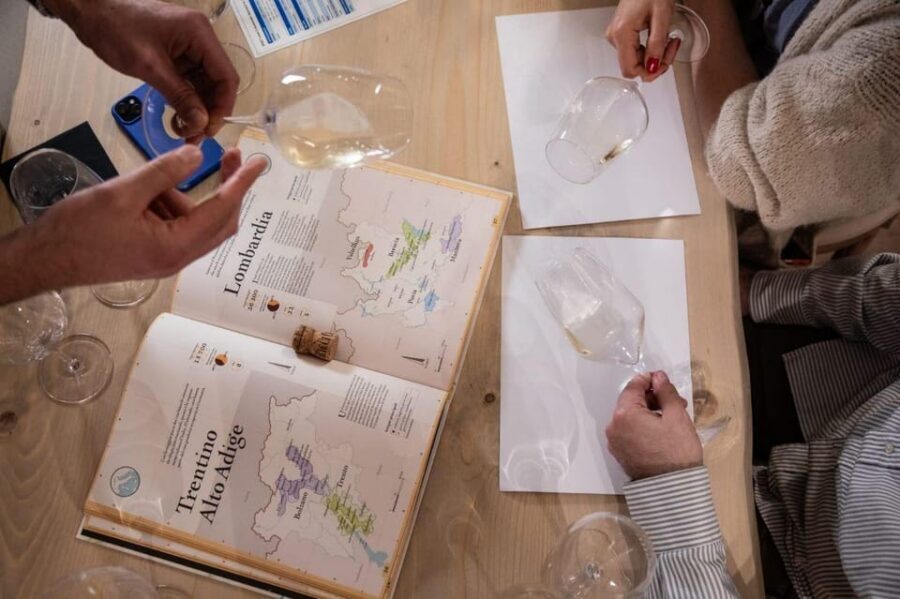
If Sangiovese gives structure, Trebbiano and Vermentino help you learn range.
Trebbiano in still wines often shows a clean, approachable profile, and when it becomes sparkling it can feel especially crisp. In the tasting, it’s a useful counterpoint to Sangiovese because it helps you notice what changes when the grape’s flavor contribution shifts. That means you can start recognizing whether a bottle’s personality comes mostly from the grape or from the method.
Vermentino brings a different kind of brightness. Think in terms of aromatic lift and a more coastal style sensibility. In Tuscany, that matters because Vermentino is strongly associated with areas where the climate and sea influence can shape the final wine’s character. In the education, this idea gets tied back to the broader story of Tuscany’s different terroirs, including coastal regions like Maremma.
What I recommend you do during these pours: don’t rush to decide which one is best. Instead, ask yourself which glass feels most refreshing, which feels most textured, and which one tastes most driven by aroma. The guide’s explanations are there to help you connect your instincts to winemaking decisions.
Champenoise, Charmat, Ancestral: bubbles with different personalities
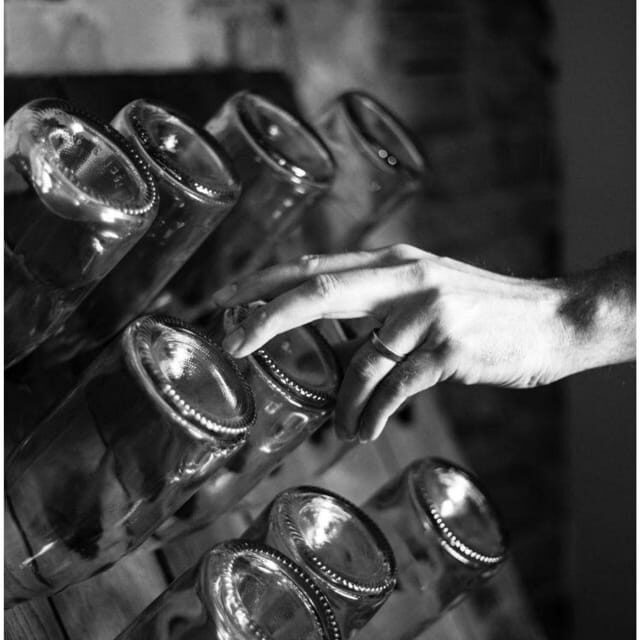
The best part of a method-focused tasting is that it gives you “future recognition.” Once you understand what to look for, shopping gets easier.
Here’s how the experience lines up based on what’s included:
- Champenoise Method (traditional method)
- Charmat Method
- Ancestral Method
Rather than turning this into a chemistry class, the educator keeps it tied to sensory differences. When you taste wines made by different methods, you’ll likely notice changes in:
- Bubble size and how the wine feels on the palate
- The way flavors develop as the wine opens in your glass
- The overall “texture” impression—whether it feels more crisp and direct or more developed and rounded
Your practical goal should be simple: learn the “clues” that help you avoid buying only by label. After tasting these styles side by side, you’re better equipped to choose a bottle that matches what you want at dinner—fresh and easy, or more complex and structured.
Other food & drink experiences in Siena
The pairing with local delicacies: why food is part of the lesson
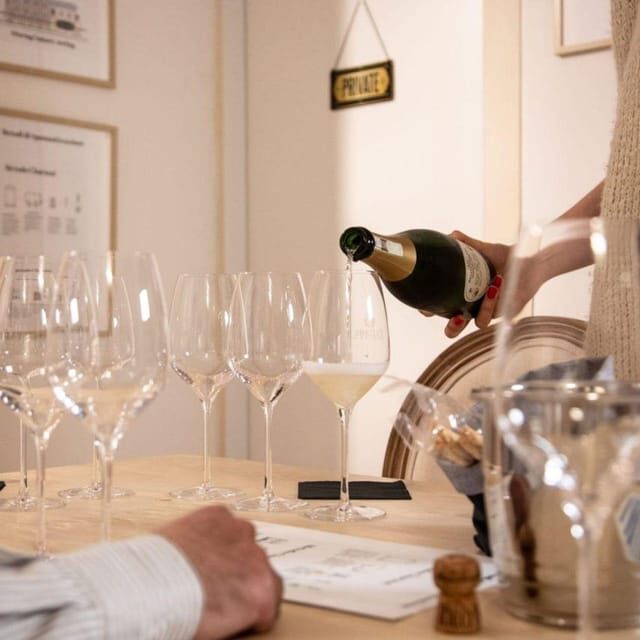
This tasting doesn’t throw bubbles at you in a vacuum. You’ll be paired with local delicacies, and that’s smart. Sparkling wine is all about balance: acidity, bubbles, and flavor intensity. Food helps translate those elements into something you can recognize quickly.
You might find that certain bites bring out fruit notes, while others sharpen acidity or make the wine feel more rounded. The pairing also helps you learn how sparkling wine works beyond the obvious “drink it because it’s festive” mindset.
One note to keep expectations aligned: there’s a comment in the vibe of the experience that some people would like a more substantial aperitivo setup and/or a larger wine amount. This doesn’t mean it’s a bad tasting. It just means the value is mainly in the education and the three-wine flight—not in becoming a full meal.
Price and value: is $41 fair for 3 wines in Siena?
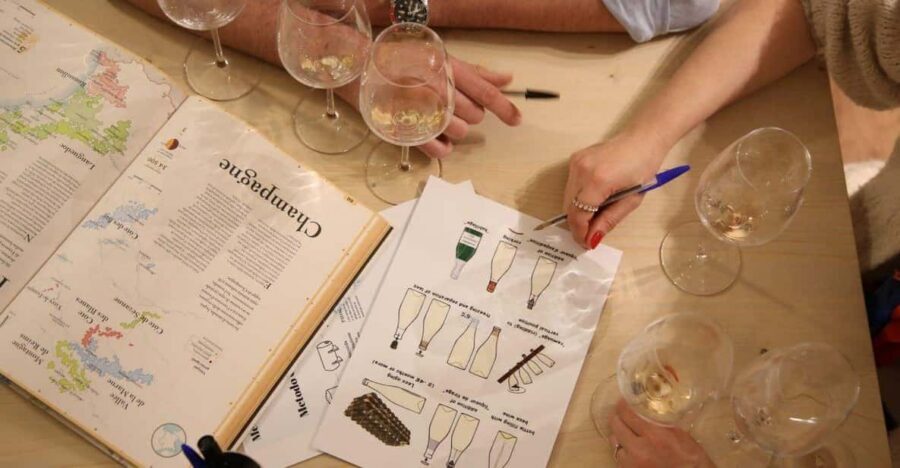
At $41 per person for a 1-hour experience, this is priced like a focused specialty tasting, not a casual toast-and-go. And the math works out because you’re getting:
- 3 sparkling wines
- A guided explanation of grapes and production methods
- Pairings with local delicacies
- A small group format that supports actual conversation
So where does the value come from? It’s not just the number of glasses. It’s the comparison. One of the hardest parts of learning wine is figuring out what to notice without guidance. Here, the educator is doing that for you—explaining how Tuscany’s grapes and techniques show up in the glass.
If you love wine, you’ll use that information for future purchases. If you’re new, you’ll leave with a simple ability to judge what you like and why, instead of just liking the prettiest label.
Practical tips: how to get the most from your hour
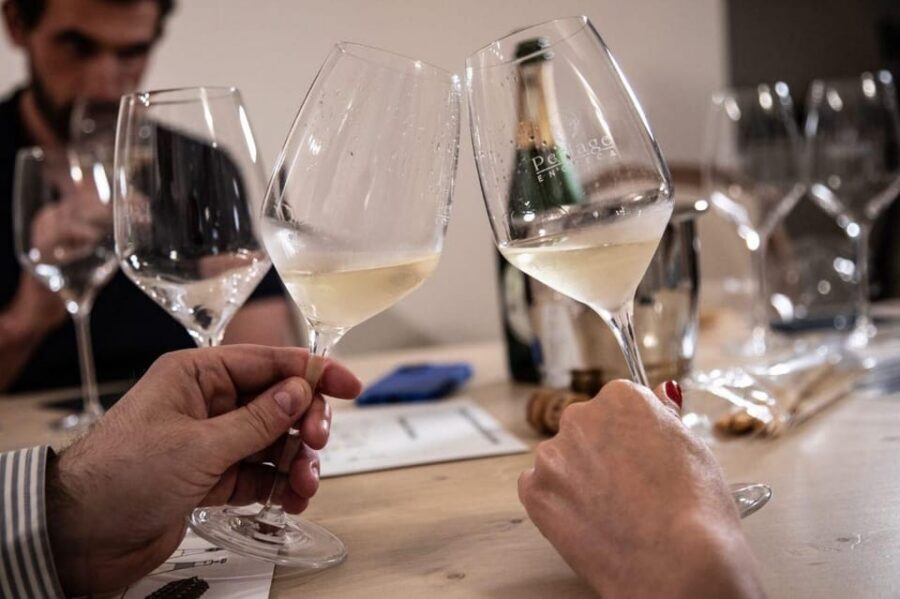
You don’t need to be a wine expert to benefit, but a few small habits help:
- Arrive on time so you don’t feel rushed through the first explanations.
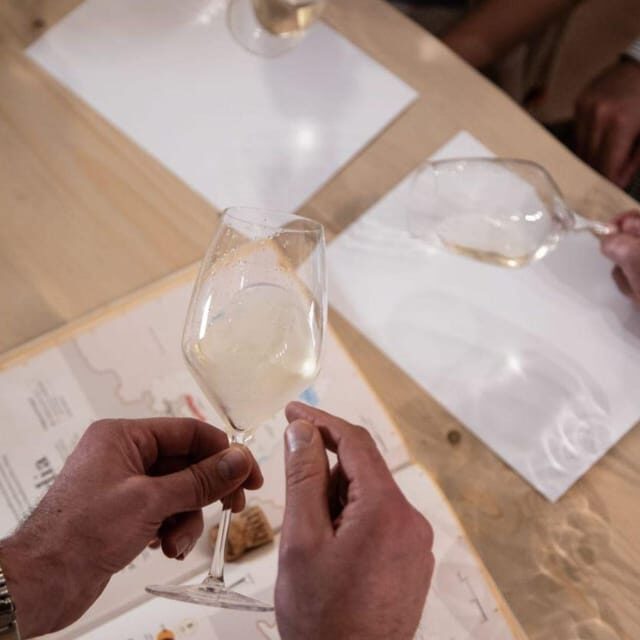
- Take a moment before the first sip to smell the wine. That tiny pause makes method differences easier to notice.
- Sip, swallow, then look for the food pairing connection. If you jump straight from wine to your phone, the education gets harder.
- If you want to compare styles later, keep a mental checklist: freshness, texture, aroma, and finish.
- Since there are three pours, drink water between tastings if you can. It keeps your palate awake for the last method.
Also, keep in mind: this experience is not suitable for children under 18. If you’re traveling as a family, plan differently and save this one for the adults.
Getting there: Enoteca Perlage near Piazza del Campo
Your meeting point is Enoteca Perlage in Piazza Indipendenza, in front of the taxi rank, about 20 meters from Piazza del Campo. That’s close enough that you can usually walk from central streets without stress.
Why this matters: wine tastings are timed. Being close to Piazza del Campo means you can plan with confidence, especially if you’re also doing other Siena sights that day.
Who should book this sparkling wine tasting?
This is a strong fit if you want a short, high-learning stop in Siena.
Book it if:
- You want a guided way to understand Champenoise vs Charmat vs Ancestral
- You like Tuscany and want to see sparkling wine made from grapes like Sangiovese, Trebbiano, and Vermentino
- You’d rather compare three wines thoughtfully than spend hours in a bigger group setting
It’s also a great first wine tasting if you’ve never done one. The small group format and the clear education approach make it approachable.
And it’s worth considering even if you already drink wine. Side-by-side tastings are one of the fastest ways to tighten your palate and stop guessing.
Should you book? My honest take
If you want a compact Siena experience with real learning baked in, book it. The price-to-content ratio is solid: three wines, clear method education, and pairings, all in an easy 1-hour format at Enoteca Perlage.
Only skip or rethink if you’re mainly chasing a longer “party aperitivo” with lots of food and a larger volume of wine. This is about instruction and comparison, not a full meal.
If your goal is to leave with better wine choices and a practical understanding of how Tuscan sparkling wines work, this tasting is exactly the kind of stop that pays off later.
FAQ
How long is the Siena sparkling wine tasting?
It lasts 1 hour.
Where does the tasting start?
You meet at Enoteca Perlage in Piazza Indipendenza, in front of the taxi rank, about 20 meters from Piazza del Campo.
What’s included in the tasting?
You’ll taste 3 sparkling wines, with local delicacies, and you’ll be guided through the production methods and grape choices.
Which grape varieties will you taste?
The tasting includes sparkling wines made from Sangiovese, Trebbiano, and Vermentino.
Which sparkling wine methods are included?
The experience includes the Champenoise Method, Charmat Method, and Ancestral Method.
How big is the group?
It’s a small group limited to 10 participants.
What languages are available for the instructor?
The instructor is available in English, French, and Spanish.
Is it suitable for children?
No, it’s not suitable for children under 18.
What are the cancellation rules and payment options?
You can cancel up to 24 hours in advance for a full refund. You can also reserve now and pay later.
If you want, tell me your travel dates and whether you prefer sweeter or drier sparkling wines—and I’ll suggest what to pay attention to during the three pours.