REVIEW · SIENA
Private Vespa Tour in Chianti
Book on Viator →Operated by Tuscany Private Tour · Bookable on Viator
Chianti by Vespa feels like time travel. This private tour puts you on a scooter for countryside roads, with the flexibility to pause at villages and viewpoint spots you actually want, not just a rushed checklist. I like that the day mixes motion and stillness: ride, park, walk, look, repeat.
What I love most is the combination of the Vespa experience plus real guide time on foot. Guides like Tommasso (and other local guides including Martina and Stefani) bring the towns to life with history you can picture as you stroll, not just facts tossed at you.
One thing to plan for: this isn’t a casual scooter ride for beginners. You need experience with scooters or motorbikes, a valid driving license, and you must be at least 18 to drive. During the briefing, staff will evaluate your skills and decide whether you’ll rent a Vespa (and if not, the start of the tour uses another vehicle up to availability).
In This Review
- Key things I’d plan around
- Private Vespa Tour in Chianti: what the day feels like
- Scooter skills and safety: the make-or-break detail
- Where you start: Castellina in Chianti at 10:00
- The big rhythm: ride, stop, walk, eat
- Stop 1: Radda in Chianti and the feel of a fortified wine town
- Stop 2: Panzano in Chianti for Roman roots and fortress stories
- Stop 3: Montecalvario and the Etruscan footprint near Castellina
- Castellina’s medieval defense story: why walls mattered here
- Lunch and wine tasting: the payoff at the end
- Who the guides are and why that matters
- Price and value: where you should feel the money working
- Practical tips to make your day smoother
- Who should book this Chianti Vespa tour
- Should you book it? My straight advice
- FAQ
- How long is the Private Vespa Tour in Chianti?
- Where does the tour start and what time does it begin?
- Is the tour private?
- What language is the tour offered in?
- Do I need scooter or motorbike experience?
- What is the minimum age to drive?
- Will I definitely ride a Vespa?
- What stops are included during the tour?
- Is lunch and wine tasting included?
Key things I’d plan around
- Vespa riding with staff evaluation: you’ll get a briefing, then your driving comfort determines whether you ride the Vespa you planned for
- Freedom to choose stops: you can pick villages and viewpoints during the ride
- On-foot history time: short walks where guides explain what you’re seeing and why it matters
- Radda in Chianti + Panzano in Chianti: two distinct towns with very different vibes and timelines
- End with lunch and wine tasting: you get a proper break, not just a quick sip
Private Vespa Tour in Chianti: what the day feels like
This tour is built around one simple idea: Chianti is best enjoyed at human speed, with wheels under you. You’ll ride a Vespa through the countryside roads that connect the hill towns, then step off to explore key places up close. The feel is part adventure, part guided stroll, and that mix is exactly why this works so well.
Because it’s private, you’re not stuck doing everything on the group clock. Your guide can steer the pace, and you can ask to spend a little more time at a view or a specific village moment you care about. It’s not just driving around for pictures; it’s driving to places.
Other Chianti wine tours we've reviewed in Siena
Scooter skills and safety: the make-or-break detail
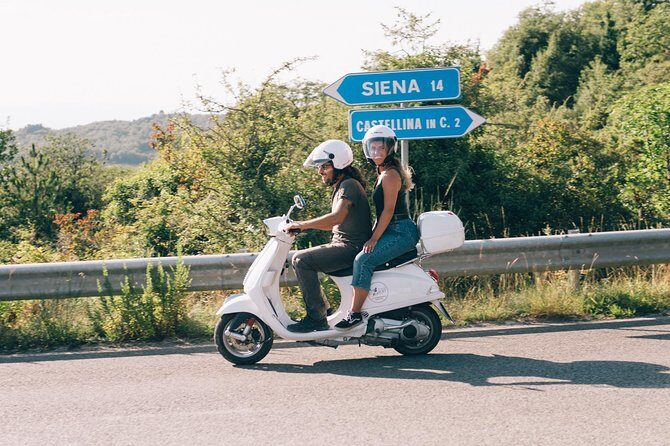
Let’s talk about the practical side, because this matters on a Vespa tour. You’ll be required to have experience with scooters or motorbikes, and you’ll need a valid driving license. The minimum age to drive is 18.
Before the riding starts, staff lead a Vespa briefing and evaluate your skills. They decide if you’ll rent the Vespas, and that decision is final. If you’re not cleared to rent a Vespa, the tour starts with a different vehicle based on availability. So you should show up ready to ride, not hoping for last-minute courage.
If you’re comfortable on two wheels and can handle narrow turns and stop-and-go moments, you’ll likely love this. If you’re brand-new to scooters, plan for the possibility you won’t be on the Vespa you expected.
Where you start: Castellina in Chianti at 10:00
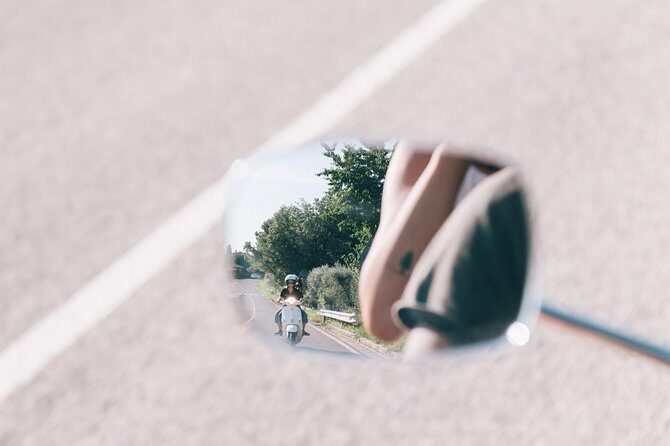
Your tour begins at Tuscany Private Tour Via, Viale IV Novembre, 35, 53011 Castellina in Chianti (SI), and it starts at 10:00 am. The day runs about 5 hours total, which is long enough to feel like you left the city, but short enough to avoid that late-afternoon fatigue.
Because the meeting point is in Castellina in Chianti, you’re starting from the same region you’ll explore by bike—so you don’t lose time getting situated far away from the action.
You also get a mobile ticket, and the tour runs in English. That last detail sounds basic, but it helps a lot once you’re listening while you ride and walk. When the guide can explain clearly, you notice more than you would on your own.
The big rhythm: ride, stop, walk, eat
A Vespa tour can easily become either all driving or all walking. Here, the day is intentionally balanced. You ride between towns, then you pause for stops that are timed (at least for the first two towns), and you get on-foot time to understand what you’re seeing.
The structure also helps you pace your energy. You can enjoy the road without worrying about finding parking, and then you can relax during the guided town time. When it’s done right, you feel like you’re moving with purpose rather than commuting.
Stop 1: Radda in Chianti and the feel of a fortified wine town
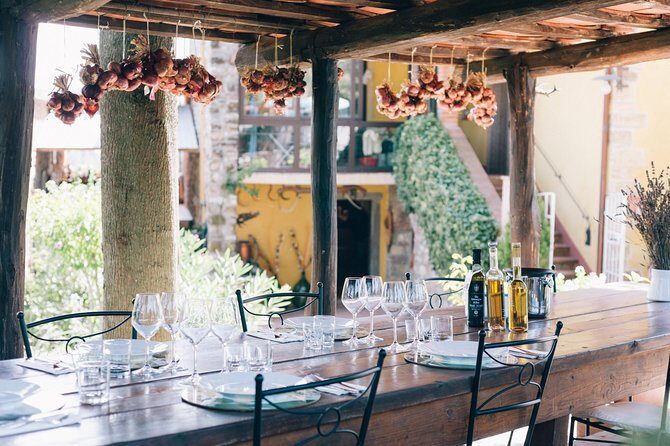
Radda in Chianti is your first major stop, around 45 minutes. Even without trying to memorize dates, you get the sense that this place is layered—ancient settlement hints, feudal growth, and later wine-era transformation.
The area around Radda has been inhabited since long before the current town shape, with evidence pointing to early villages and later Etruscan presence. In the centuries after the Western Roman Empire, rural agglomerations formed and survived as villages over time—names you’ll hear echoed in the local story include Castelvecchi, Monterinaldi, Volpaia, and Radda itself.
In the medieval period, the tour’s Radda stop links to the rise of feudal society and the growth of the town villages through castle building. The area is also tied to major power shifts, including recognition by emperors and changing control between larger regional forces. You’ll also hear about how Radda faced raids and occupations during conflict periods, including attacks by Sienese forces and the involvement of French troops.
Why this stop matters for you:
- You’re not just seeing a pretty hill town. You’re seeing how a wine-producing center grew out of defense and politics.
- The guide’s walk helps you connect the visible town form to the historical role it played in the region.
What to watch for (so you get more out of those 45 minutes):
Keep your eyes up. Even if you don’t go deep into architecture, looking at how the town sits and how roads funnel through it gives you a strong clue about why fortification mattered here.
Other Vespa and Fiat 500 tours we've reviewed in Siena


Stop 2: Panzano in Chianti for Roman roots and fortress stories
Next comes Panzano in Chianti, around 20 minutes. This is a shorter stop, so the value is in focus: you’ll spend enough time to absorb the town character and key historical references, without turning it into a long detour.
Panzano’s story goes back to Etruscan times, with evidence connected to a stele near the parish church of San Leolino. Even though details about the stele’s fate aren’t part of a typical stop for tourists, the guide context helps you understand that the “oldest layers” are in the ground, not just in buildings.
During Roman times, the area was densely inhabited, and even the local place names carry that inheritance. By the early medieval period, the parish church of San Leolino (connected to Flacciano) shows up in records, and later references connect the church of Santa Maria placed in a castle.
Panzano also has a fortress-and-conflict timeline. You’ll hear about it being included in Florence’s organized countryside structure, later sacked and damaged during struggles between Florentine and opposing forces, and then again affected by raids and occupations. It became a strategic bulwark during one invasion period and tied into the republic’s administrative needs.
Why this stop is worth it, even at 20 minutes:
- It adds contrast. Radda feels like a major wine-and-town power center; Panzano feels more like a strategic node in a network.
- The guide can point out how the town’s role shaped what you see today.
If you want maximum value from a short visit, keep your questions practical: ask what’s most important to notice in town in the time you have.
Stop 3: Montecalvario and the Etruscan footprint near Castellina
The tour’s third segment centers on the Etruscan presence near the Castellina area. You’ll hear about two specific sites: the mound of Montecalvario, an Etruscan tomb dated to the 7th–6th century BC, and the Necropoli del Poggino near Fonterutoli.
This part of the day changes the tone. Instead of medieval street scenes, you’re thinking about older settlement patterns and what people built—and why—long before the towns you walk through today existed in their current form.
You’ll also get context from the excavation story in the broader Castellina area, where the presence of a larger Etruscan town has been suggested near Salinvolpe. You don’t need to be a specialist to appreciate the idea: the region wasn’t empty between eras. People lived, planned, and buried their dead here for centuries.
If you like tours that help you mentally map time onto place, this stop works. It turns the countryside ride into something more meaningful than a scenic drive.
Castellina’s medieval defense story: why walls mattered here
Even if the day’s focus is partly Etruscan, Castellina’s medieval defense story is the glue holding the region together. You’ll hear how the area became influenced by Florence, how agreements between regional powers shaped military control of castles, and how Castellina sat on a direct road linking rival cities.
By the 14th century, Castellina played a core role in the Lega del Chianti, divided into thirds. The Terziere di Castellina administered territory that slopes toward the Valdelsa. Eventually, conflict reached the town again—Castellina was sacked and burned during an era when Milanese forces, including troops led by Alberico da Barbiano, fought in the region.
After that, the town fortified itself. Work continued over time, and the involvement of major architectural figures is part of the Castellina story. Later still, the Aragonese period brought another assault, with differing outcomes—some defenses resisted, while the second invasion led to conquest before control shifted again.
Why you should care as a visitor:
Because when you understand that this town was built and rebuilt around control of roads and borders, the walls and town layout suddenly make sense. You stop seeing random stone and start seeing strategy.
Lunch and wine tasting: the payoff at the end
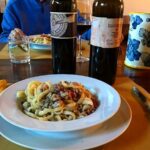
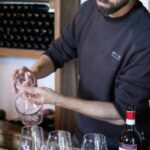
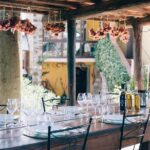
After the riding and walking, you’ll stop to savor an Italian lunch and wine tasting. This is one of the tour’s strongest points, because it’s where Chianti becomes personal instead of historical.
A good lunch on a wine tour does two things. First, it breaks up the day so you’re not pushing through tired legs. Second, it gives you a natural reason to slow down and taste what the region is known for—right when the countryside story is still fresh in your head.
In the experience you’re getting here, lunch isn’t just a meal. It’s the moment the day’s theme clicks: you ride through villages shaped by centuries of power, then you enjoy a modern expression of Chianti culture.
Who the guides are and why that matters
The experience leans heavily on the guide’s ability to connect what you see to what came before. In particular, I’d give extra credit to guides named Tommasso, Martina, and Stefani, because their role isn’t just narration. They lead personal on-foot tours where you can ask questions, and they explain with enthusiasm about why specific places mattered.
That kind of guiding makes a difference on a Vespa tour. When you’re moving, your brain is collecting cues fast—street angles, viewpoints, town size, road curves. A strong guide helps you interpret those cues instead of letting them blur together.
Price and value: where you should feel the money working
No exact price is included here, so I’ll judge value by what you actually get. This is a private 5-hour tour with Vespa-style countryside riding, guided stops in multiple towns, on-foot history time, and an end-of-day lunch plus wine tasting. Add in the fact that group discounts are offered, and the structure starts to look efficient if you’re traveling with at least one other person.
Here’s the value logic I’d use:
- You’re paying for a local guide who handles the flow and interpretation
- You’re paying for transportation that would be annoying to replicate on your own (especially in a place where driving scooters isn’t automatic for visitors)
- You’re paying for the meal and tasting, which is a big part of why people book Chianti days
If you’re the kind of traveler who hates waiting in lines and prefers direct, guided experiences, this tends to feel like a fair trade. If you only want to drive slowly and take photos with zero talking, you might want to compare it to self-guided options.
Practical tips to make your day smoother
You don’t need a lot of gear, but you do need comfort. A Vespa day means you’ll be wearing the same clothes through multiple stops, and you’ll be exposed to sun and road breeze.
Bring:
- Comfortable shoes for walking segments in villages
- Sunglasses and sun protection
- A light layer in case the hill air feels cooler during breaks
Also, be ready to adjust your expectations about the scooter. If staff decide you’re not a fit to rent a Vespa based on the briefing, the tour start may use a different vehicle. That’s not a failure—it’s the safety system working.
Finally, pay attention when your guide talks. The historical context is short, targeted, and it helps you notice the town’s layout and defensive feel instead of just collecting pretty scenery.
Who should book this Chianti Vespa tour
This tour fits best if you:
- Can handle scooter riding and want that freedom on real roads
- Want a guided day with stops that make sense, not random hops
- Enjoy history when it’s tied to what you see, and not delivered like a lecture
- Want lunch and wine tasting included, so the day ends on a high note
It may be less ideal if you’re:
- New to scooters and worried about skills
- Expecting a slow sightseeing drive with no riding demands
- Looking for a purely museum-style experience
Should you book it? My straight advice
I’d book this if you want Chianti with movement and meaning—Vespa roads, guided town walks, and an end-of-day lunch and wine tasting. The private format makes the stops feel flexible, not stuck, and the guide talent (including Tommasso, Martina, and Stefani) shows up most when you’re on foot learning how each town fits into the region’s bigger story.
If you’re a confident scooter rider and you’re ready for the briefing evaluation, this is one of the better ways to experience Chianti beyond slow car drives. If you’re on the fence about driving comfort, be honest with yourself at check-in—you’ll get the safest outcome, even if it changes which vehicle you start on.
FAQ
How long is the Private Vespa Tour in Chianti?
The tour lasts about 5 hours.
Where does the tour start and what time does it begin?
It starts at Tuscany Private Tour, Via Viale IV Novembre, 35, 53011 Castellina in Chianti (SI) at 10:00 am.
Is the tour private?
Yes. It’s a private tour, so only your group participates.
What language is the tour offered in?
The tour is offered in English.
Do I need scooter or motorbike experience?
Yes. The tour requires experience with scooters or motorbikes, and you’ll also be asked for a driving license.
What is the minimum age to drive?
The minimum age to drive is 18.
Will I definitely ride a Vespa?
Staff lead a briefing and evaluate your skills, then decide whether you can rent Vespas. If not, the tour will start with a different vehicle based on availability.
What stops are included during the tour?
You visit Radda in Chianti, Panzano in Chianti, and the Castellina area sites tied to Montecalvario and the Necropoli del Poggino.
Is lunch and wine tasting included?
Yes. The tour includes an Italian lunch and a wine tasting stop.