REVIEW · SIENA
Montepulciano: Dining Experience at a Local’s Home
Book on GetYourGuide →Operated by Cesarine · Bookable on GetYourGuide
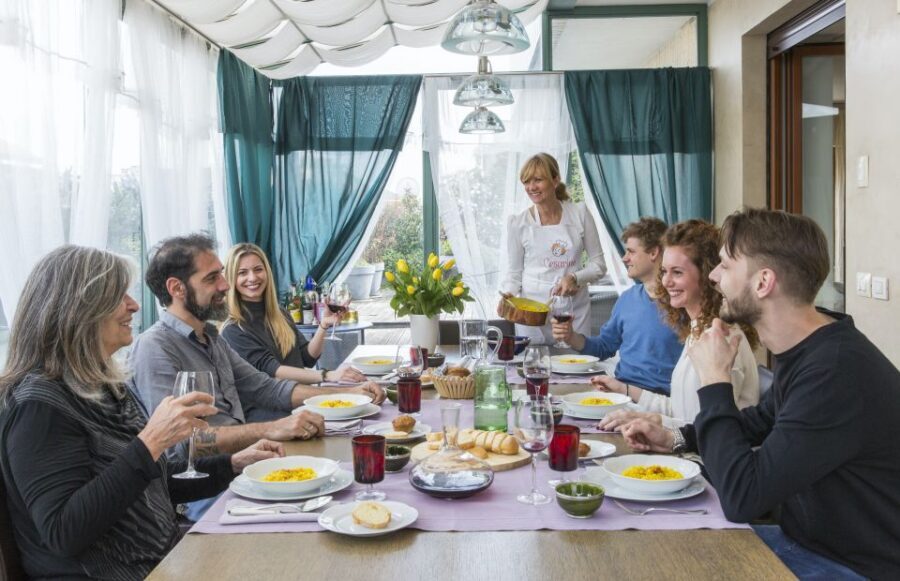
Dinner at a real home, not a hall. That’s the whole point here: a Cesarina welcomes you, cooks with you as an audience, and feeds you like family in Tuscany’s wine country. In about 2.5 hours, you’ll watch an exclusive cooking demo and then share an authentic meal with drinks included, right where locals live and cook.
I especially love two things. First, the food feels hands-on and practical, not just showy—one host focused on gnocchi in a way that made it easy to understand and fun to eat. Second, you get actual conversation with the people in the kitchen, including stories and holiday talk that make Montepulciano feel personal instead of staged.
One thing to consider: the address is only shared after booking, and the experience happens in a private home. That means you’ll want to be on time, follow the doorbell instructions, and expect a more “lived-in” setup than a typical restaurant.
In This Review
- Key things I’d mark on your list
- Entering a Cesarina Home Dinner in Montepulciano
- The 2.5 Hours: Cooking Demo, Then Three-Course Shared Dinner
- What You’ll Eat: Tuscan Classics, Wine, and Dessert That Lands
- Why the Cooking Demo Feels Different Than a Class
- Real Hospitality: The Conversation Part of the Meal
- Menu Fit for Dietary Needs (Ask Early)
- When to Schedule: Noon Lunch vs Evening Dinner
- Price and Value: What You’re Really Paying For
- Practical Tips So You Enjoy It From the Start
- Who Should Book This Montepulciano Home Dinner
- Should You Book This Dinner at a Local’s Home?
- FAQ
- Where do I meet the host?
- What time does the dinner usually start?
- How big is the group?
- What’s included with the meal?
- Is there a cooking demo?
- Can dietary needs be accommodated?
- Is free cancellation available?
Key things I’d mark on your list
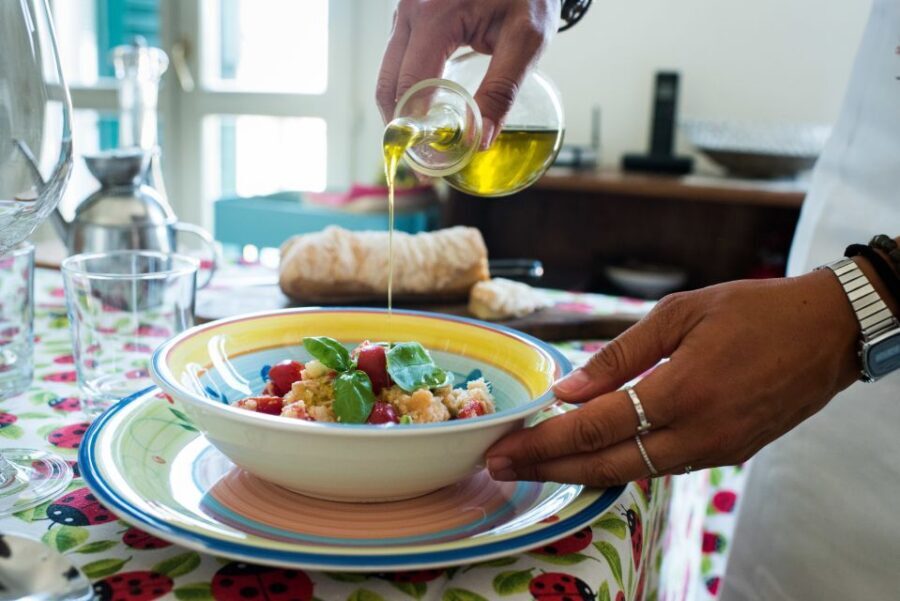
- A small group of 8 means you actually get to talk, not just hover with a camera
- Exclusive cooking demo before you eat, so each course has context
- Real Tuscan table time with family-style conversation, sometimes including meeting the host’s family
- Drinks included: water, regional red and white wine, plus coffee
- Gnocchi and tiramisu energy shows up often, with hosts adapting dishes to the session
Entering a Cesarina Home Dinner in Montepulciano
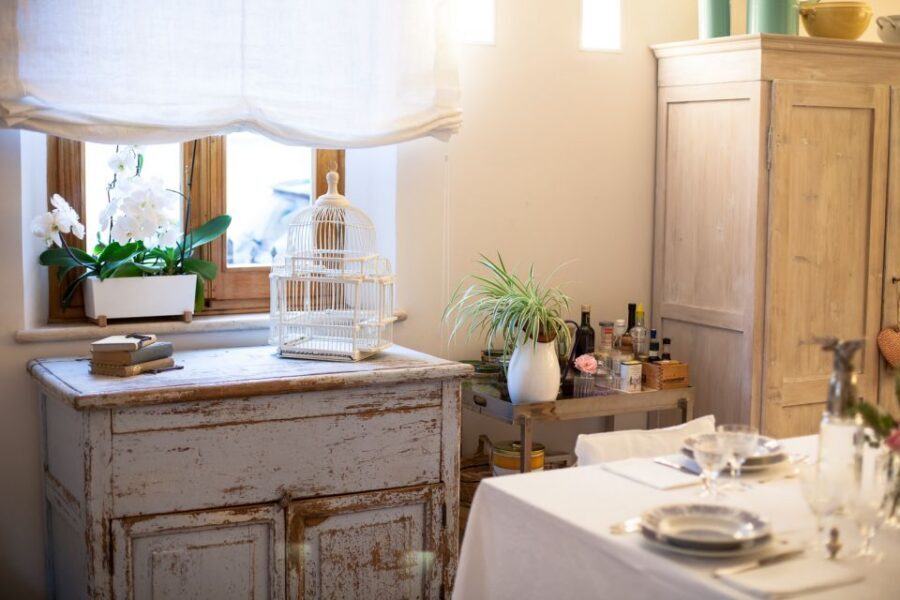
This isn’t a tour bus stop where everyone lines up and waits. You’re coming to someone’s house, in or near Montepulciano, and you’ll meet your host at their front door. When you arrive, you ring the doorbell and your Cesarina host welcomes you for an authentic Italian food experience.
That home setting changes the mood fast. You’re not in a loud dining room trying to hear a script. You’re inside a kitchen and a dining space that already belongs to real life—where conversation can start before the first plate hits the table.
Also, plan for how you’ll get there emotionally. The exact address isn’t sent upfront. After booking, customer care contacts you by email with the host’s full address and mobile number, so you’re not left guessing when it’s time to find the place.
Other Montepulciano wine tours we've reviewed in Siena

The 2.5 Hours: Cooking Demo, Then Three-Course Shared Dinner
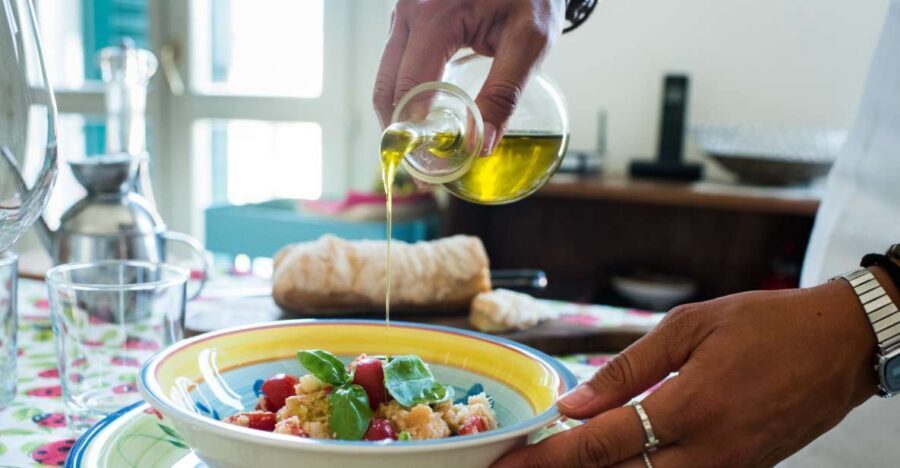
The full experience runs about 2.5 hours, and the pacing matters. It usually starts around 12 noon or 7pm, depending on the session you pick. If you want a different time, the schedule is flexible with an advance request.
Here’s how the evening typically flows:
- Welcome and set-up at the home
You’ll arrive, get settled, and likely get a quick sense of the menu and what’s coming next. Since the host is cooking live, this helps you pay attention to what you’re tasting later.
- Exclusive cooking demo
You watch the cooking show firsthand. One host taught gnocchi and made the steps feel approachable, while others focused on building flavor through ingredients like meats, cheeses, and produce. You’re not learning recipes from a printed card; you’re watching a real Tuscan cook at work.
- Shared three-course meal
After the demo, you sit down for a structured meal: three courses, shared table style. Drinks are included throughout—water, regional red and white wine, and coffee at the end.
Small group size is a big deal here. The activity is limited to 8 participants, so you’re more likely to ask questions, chat between courses, and actually get your host to respond like a person instead of a performer.
What You’ll Eat: Tuscan Classics, Wine, and Dessert That Lands
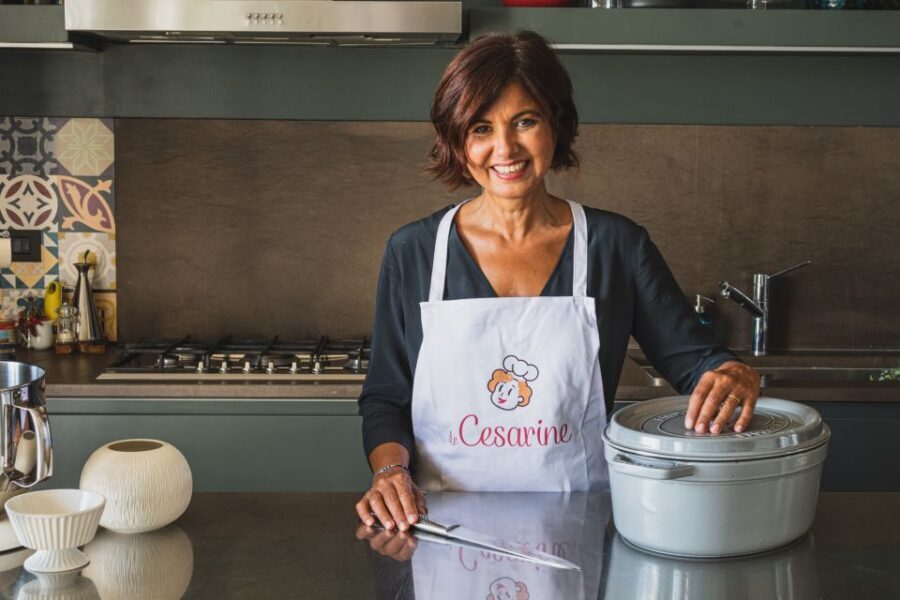
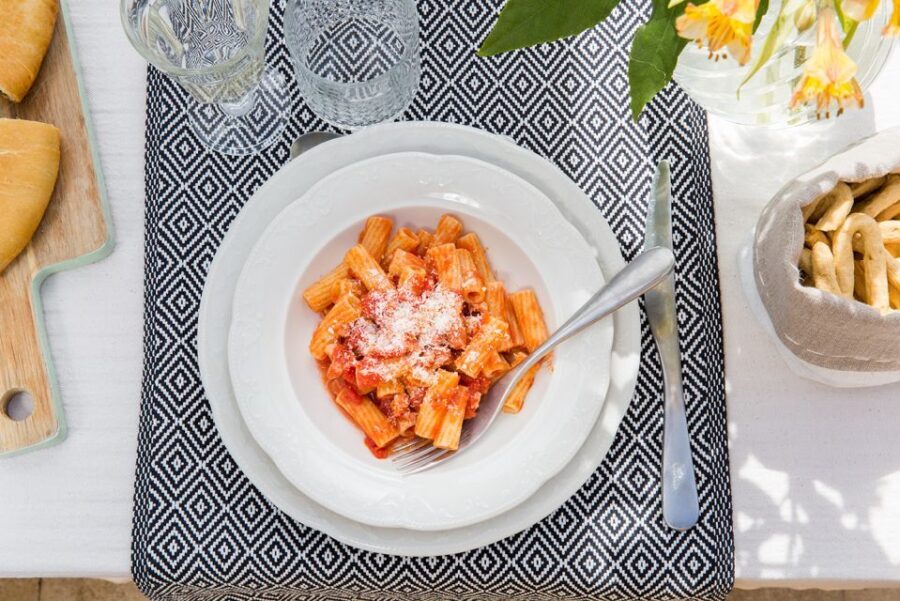
You should come hungry, with a relaxed attitude. This is built as a plentiful home dinner, not a light tasting flight. The menu is authentic Tuscan cooking, and it’s the kind of food that tastes right because it’s familiar to the region’s everyday table.
The courses can vary slightly by host and by day, but you can expect the core vibe: comfort food, generous portions, and flavors that feel like they come from family cookbooks passed down through generations.
Some specific dishes show up in the experiences I saw described:
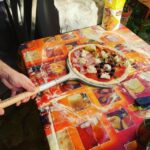
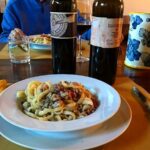
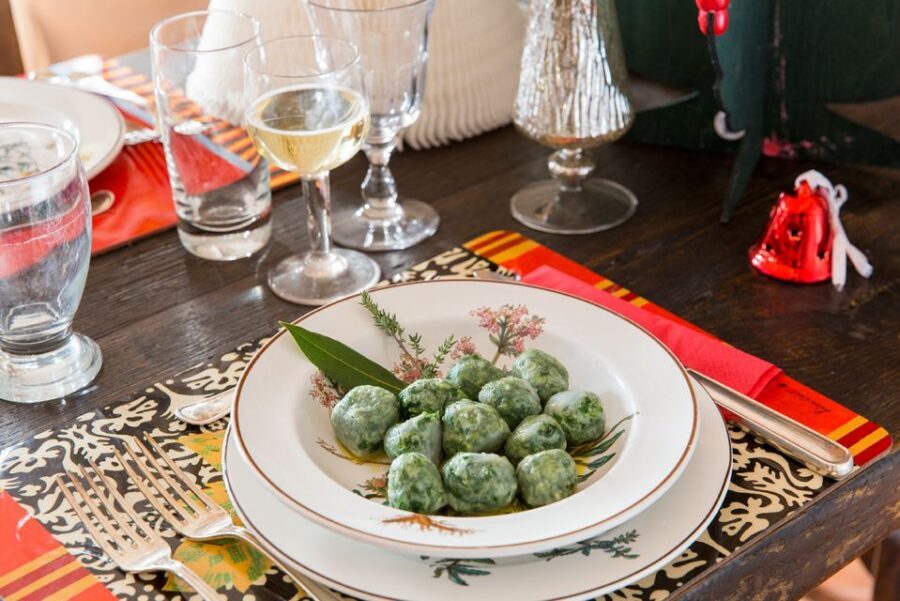
- Gnocchi (often the star of the cooking demo and/or a main course)
- Meatballs paired with vegetables like fresh peppers
- A tiramisu finish that many people seem to remember long after
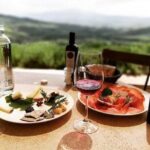
- Appetizers like a ham-and-cheese pastry, salamis and cheese platters, and panzanella salad
- Meat-and-bean style comfort combinations that lean hearty, Tuscan, and satisfying
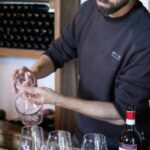
One nice detail: the wine isn’t generic. You get a selection of red and white wines from regional cellars. That matters because the host isn’t just pouring something to be polite; they’re pairing drinks with the meal they’re serving and the regional cooking they’re showcasing.
And yes, coffee is included. In Italy, that “last cup moment” is part of the ritual, not an afterthought.
Why the Cooking Demo Feels Different Than a Class
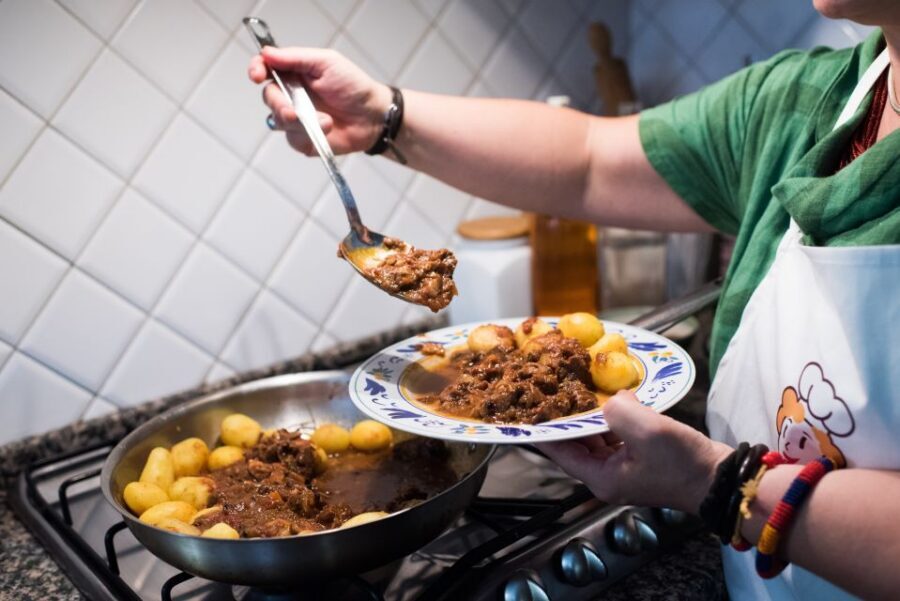
A standard cooking class often turns into a hands-on workshop. This one is different. You watch an exclusive cooking show, then you eat what you saw.
That format can be a win if you’re short on time and want real flavor knowledge without turning your vacation into a kitchen shift. You still learn. You just learn by watching technique and ingredient decisions, then tasting the result.
For example, when gnocchi is part of the demo, it’s not only about eating it. It’s about understanding texture, timing, and how the sauce and sides support the dish. When a host is a trained chef, that practical guidance can translate into “now I know why it tastes like this.”
If you’re a foodie who likes to ask questions, this setup gives you a natural rhythm. You’ll see something happening in the pan, ask what makes it work, and later notice that detail on your plate.
Real Hospitality: The Conversation Part of the Meal
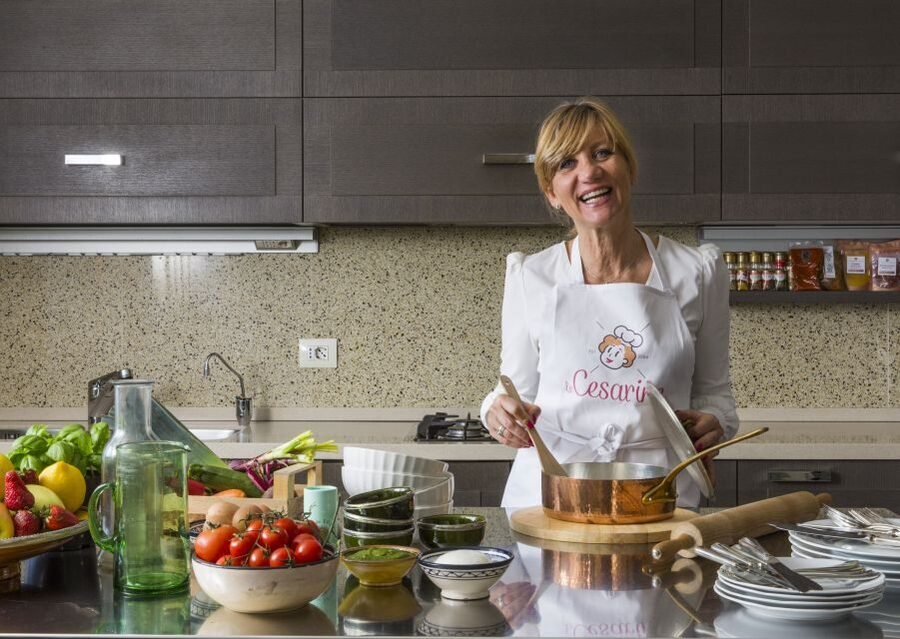
The best part of this experience is not just the food. It’s the people around it.
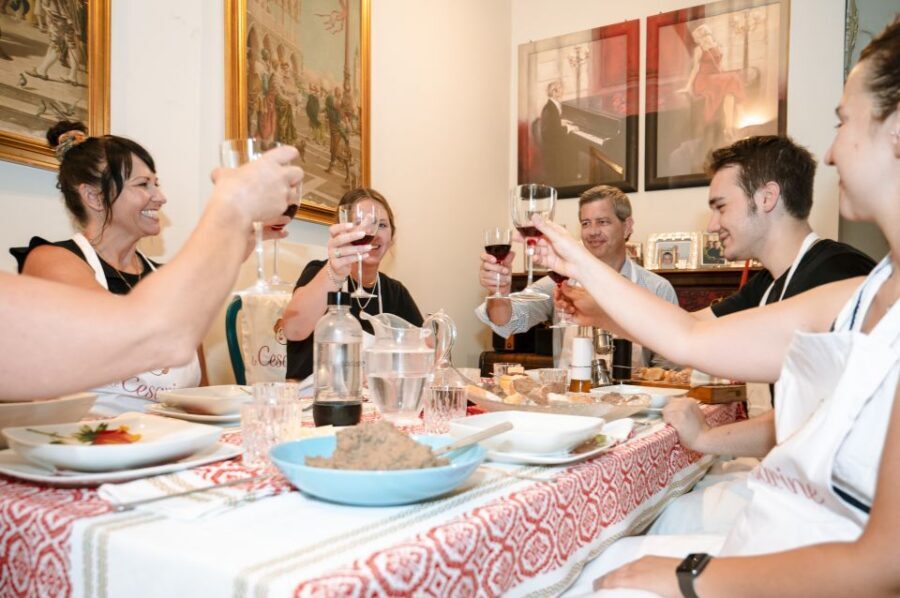
Hosts in this program are Cesarinas, and the reviews you’ll read online tend to come back to one theme: warmth. You’ll feel welcomed quickly, and the host often takes time to talk about holidays, food traditions, and daily life. In at least one described dinner, guests even met the host’s family, which turns the night into something closer to a memorable evening at an Italian home than an organized activity.
You might also notice the English support, too. The instructor is listed as speaking English and Italian, which helps if you’re visiting with friends who don’t speak Italian well. The experience can work smoothly even if your Italian is basic, because the host can explain what’s happening while you taste.
If you want to get the most out of the conversation, bring one or two topics. Ask what they buy at the market for the dishes you’re eating, what a common holiday meal looks like, or why certain ingredients show up again and again in Tuscan cooking. The whole point is learning how people actually cook and celebrate.
A few more Siena & Tuscany tours and experiences worth a look


Menu Fit for Dietary Needs (Ask Early)
This experience can cater to different dietary requirements, but you’ll need to confirm directly with the service organizer after booking. That’s important because home cooking still has to follow real constraints: what’s already planned, what ingredients are available, and what the host can safely prepare.
So when you book, don’t wait until the day of the dinner to raise concerns. Send dietary details early so the host has time to adapt the menu. If you’re vegetarian, avoid certain ingredients, or follow a religious dietary pattern, this is the moment to be specific.
When to Schedule: Noon Lunch vs Evening Dinner
Most sessions begin at 12 noon or 7pm, though times can shift if you request it in advance. Your pick depends on how you want your day to feel.
A noon lunch can pair well with a morning of exploring Montepulciano’s streets and viewpoints. It’s also nice if you prefer a lighter pace in the evening, since you’ll be done relatively earlier.
A 7pm dinner turns the home experience into an evening ritual. One account described it with a sunset moment, which makes sense in Tuscany where late light can make even a simple evening feel special.
Either way, arrive with calm. Since the dining happens at a home, getting settled smoothly helps you enjoy the whole sequence, from demo to courses.
Price and Value: What You’re Really Paying For
There’s no price number here, so I’ll talk value instead.
You’re paying for three things that usually cost extra on your own:
- A private home setting with a real host and kitchen access
- A structured meal with drinks included, including regional wine and coffee
- A small group experience limited to 8 people, which keeps the attention on you and your table
Compare that to a normal restaurant meal in Tuscany. Sure, you can find great food. But you’ll usually pay separately for wine, and you won’t get the cooking demo context or the chance to ask questions at a real kitchen pace. Here, the explanation and the eating happen in the same flow.
If you love food and conversation, this can feel like a fair trade. If you only want a quick meal and you don’t care about wine or learning how dishes come together, then it may feel like more than you need.
Practical Tips So You Enjoy It From the Start
Keep these details in mind and you’ll have an easier time:
- Be prompt. The address is private, and you’ll meet at the host’s home. Being late makes the host’s kitchen schedule harder.
- Bring curiosity, not performance. Ask about the dishes you’re tasting. When gnocchi shows up, it’s a great topic because it’s technical and personal.
- Use the wine thoughtfully. Wine is included (water too), so pace yourself. Save your best questions for between courses, not while you’re halfway through a toast.
- Plan for a relaxed evening. This is a shared dinner with conversation time. It’s not a quick-photo stop.
- Confirm dietary needs early. You’ll need to coordinate with the organizer so the host can adjust menus.
If you’re with a friend who worries about language, take comfort in the fact that English and Italian support is built in.
Who Should Book This Montepulciano Home Dinner
This experience is a strong fit for you if:
- You want authentic Tuscan cooking with context, not just food
- You like small group dinners where you can talk
- You enjoy wine and want it paired with the meal thoughtfully
- You’d rather eat in a home than search for the “best restaurant” every night
It’s maybe not the best match if:
- You want a big, high-energy group vibe
- You dislike wine and long table conversation
- You need a fully predictable itinerary with public attractions and fixed landmarks (this is centered on the home and the host)
Also, at least one person is required for the activity to take place, so double-check your group plans are solid.
Should You Book This Dinner at a Local’s Home?
I think you should book it if you’re in Montepulciano for more than a day and you want one meal that feels genuinely local. The combination of an exclusive cooking demo, a shared three-course dinner, and included regional wines makes it more than a nice meal. It’s a real evening of Tuscan life around food.
If you’re the kind of traveler who remembers how a dish was made, who can talk about ingredients, and who enjoys meeting the people doing the cooking, this will land well. And if you’re a cautious planner, you’ll still like the flexibility: sessions run at set times (noon or 7pm) but can be requested for change, and you can cancel up to 24 hours in advance for a full refund. Reserve now and pay later is offered too, which helps if your schedule is still in motion.
FAQ
Where do I meet the host?
The meeting point is the host’s home. After you book, your address details are shared by email, and you ring the doorbell when you arrive.
What time does the dinner usually start?
Dinners typically begin at 12 noon or 7pm. Tour times are flexible with an advance request.
How big is the group?
It’s a small group limited to 8 participants.
What’s included with the meal?
You’ll get a three-course shared menu with drinks included: water, a selection of regional red and white wines, and coffee.
Is there a cooking demo?
Yes. You’ll watch an exclusive cooking show before sitting down to eat.
Can dietary needs be accommodated?
Yes, different dietary requirements can be catered for, but you need to confirm directly with the service organizer after booking.
Is free cancellation available?
Yes. You can cancel up to 24 hours in advance for a full refund.