REVIEW · SIENA
Chianti: Wine and Olive Oil Tasting with Cellar Tour
Book on GetYourGuide →Operated by Fattoria Santo Stefano · Bookable on GetYourGuide
One-hour wine lessons in rural Tuscany. I love the Chianti cellar tour and the way you taste extra-virgin olive oil right where it’s made. The one possible catch: it’s a tight, 1-hour format, so if you want a long sit-down meal or hours of wandering, plan for extra time afterward.
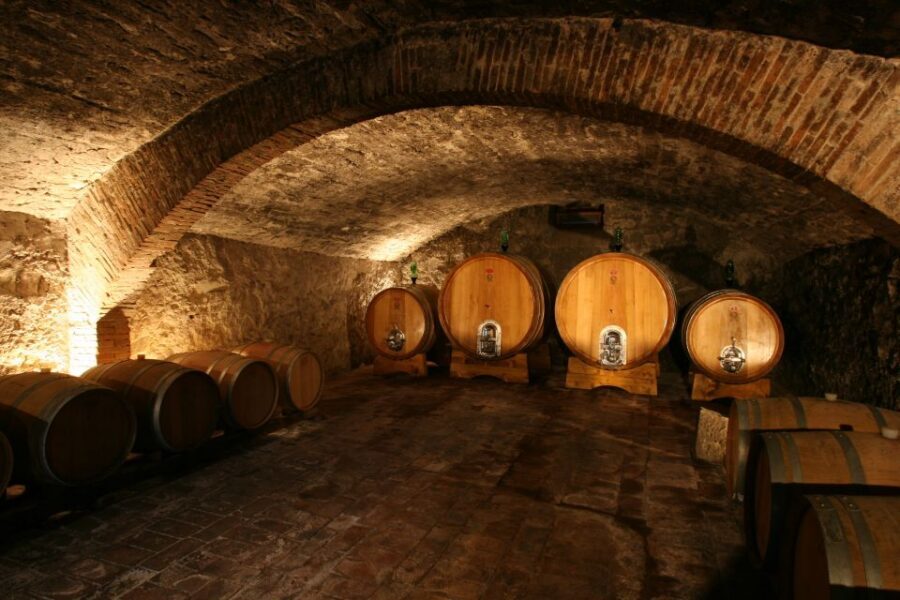
You’ll walk through both modern and old-school parts of the operation, from fermentation tanks to an 18th-century barrel room. I also like that it’s a private group, which makes it easier to ask questions without feeling rushed.
Wear comfortable shoes, because cellars and historic floors can be uneven. And come hungry-ish: you’ll leave with wine, olive oil, and local food alongside your tastings.
In This Review
- Key highlights you’ll care about
- Finding Fattoria Santo Stefano in Greve in Chianti
- The 1-hour schedule that actually works
- Entering the farmhouse grounds and getting oriented fast
- Cellar stop one: fermentation tanks for Chianti
- Cellar stop two: the 18th-century barrel room
- Orciaia: where extra-virgin olive oil is stored
- The small shop tasting: wine, olive oil, and local food
- What makes the value feel right at about $39.86
- Who this tour suits best (and who should plan differently)
- Practical tips so you enjoy the cellar parts
- Should you book the Chianti and Olive Oil Cellar Tour?
- FAQ
- How long is the Chianti and Olive Oil Tasting with Cellar Tour?
- What does the tour include?
- Is transportation included?
- Where does the tour meet?
- Does the tour end at the same place?
- Is there a skip-the-ticket-line benefit?
- What languages is the tour guide available in?
- What should I wear?
Key highlights you’ll care about
- Stainless steel and cement tanks for fermentation, plus a feel for how Chianti gets made
- An 18th-century barrel cellar with French oak used for six months of aging
- Vinsanto inside the same cellar setting, produced in small barrels
- Orciaia oil storage where extra-virgin olive oil is held right after harvest and pressing
- A tasting that includes local food, not just sips in a glass
- Private, guided pacing in English or Italian, usually far more conversational than big tours
Finding Fattoria Santo Stefano in Greve in Chianti
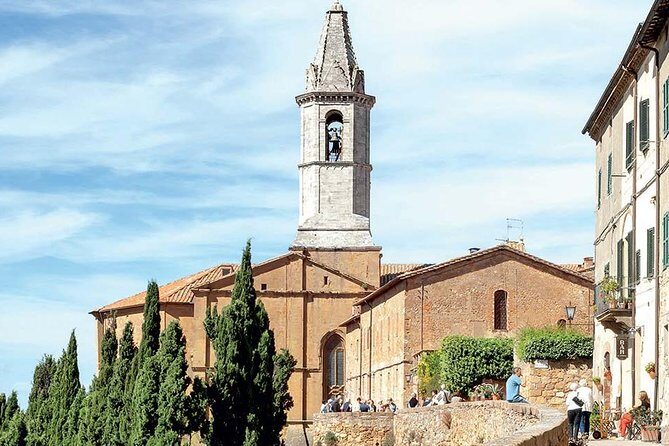
This is a countryside stop centered on Fattoria Santo Stefano at Via Collegalle 3, 50022 Greve in Chianti. If you’re using Greve as your base, it’s a straightforward meeting point and the activity ends back there, so you won’t have to solve a second “where do we end up?” puzzle.
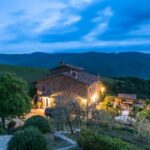
The vibe is all Tuscan farmhouse: working grounds, real production spaces, and that simple sense that food and wine aren’t just for tourists here. You’re not just viewing labels; you’re looking at the tools and storage that shape what ends up in the glass.
Other Chianti wine tours we've reviewed in Siena
The 1-hour schedule that actually works
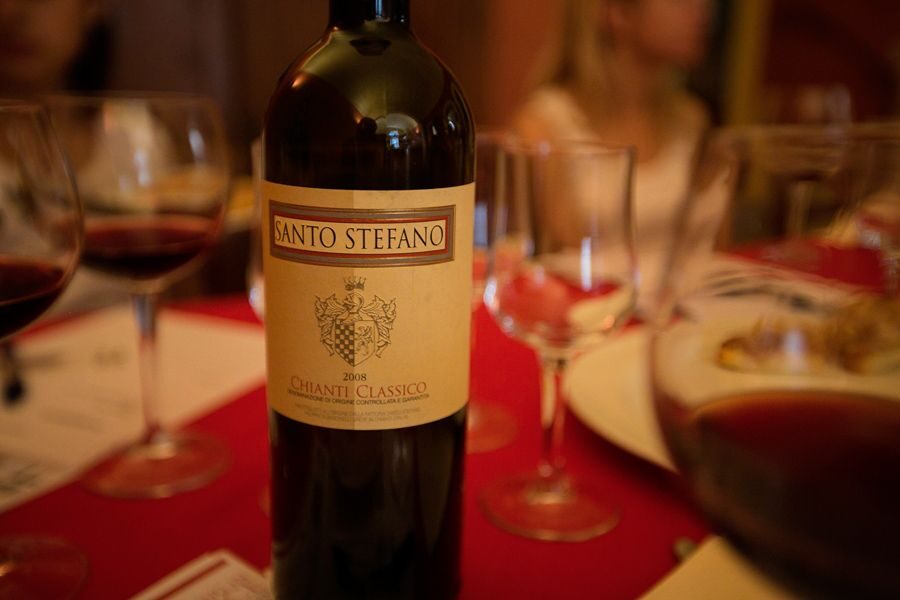
One hour is a good length for a tasting. You’ll move through the property in a logical order, learn the basics as you go, and still have time to feel full instead of exhausted.
Here’s the pacing you can expect:
- A short welcome and history of the farmhouse and its production
- A cellar tour through fermentation tanks and then into the older barrel rooms
- An oil focus at the Orciaia area
- Back to the small shop for wine and olive oil tasting with local food
If you’re doing multiple activities in a day, this one fits nicely. If you’re hoping for a slow, leisurely afternoon, you might want to add a little extra free time for strolling once the tasting ends.
Entering the farmhouse grounds and getting oriented fast
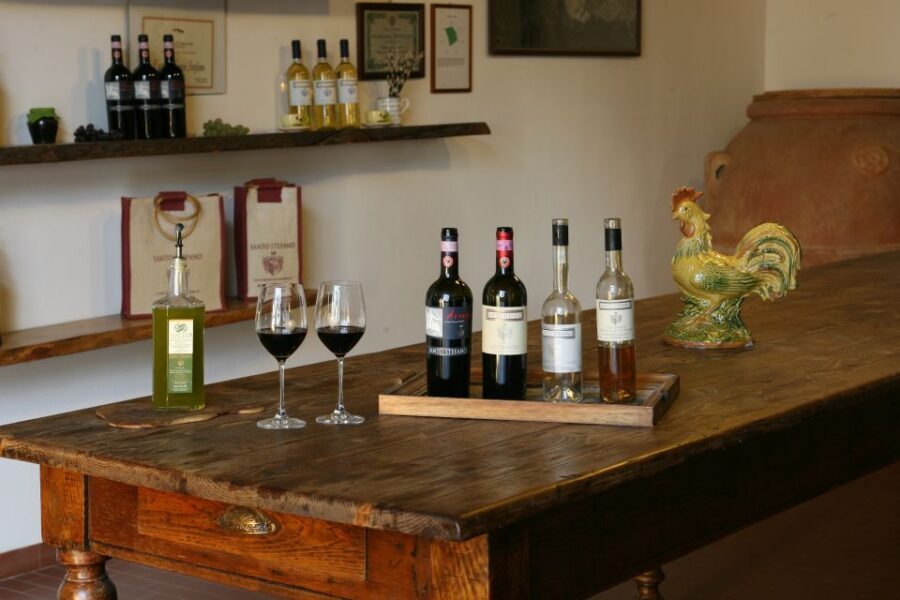
At the start, your guide covers the farmhouse setting and how the building supports local food and wine production. It’s not just trivia. The point is to help you understand what you’re about to see: where fermentation happens, where aging happens, and how olive oil ties into the same seasonal rhythm.
You’ll also get practical context for what to look for as you walk through. For example, you’ll be shown both the newer tanks used for fermentation and the older barrel storage where the flavor changes over time.
Cellar stop one: fermentation tanks for Chianti
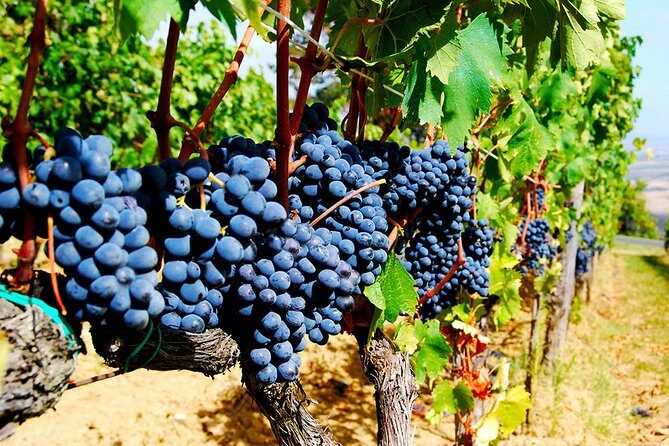
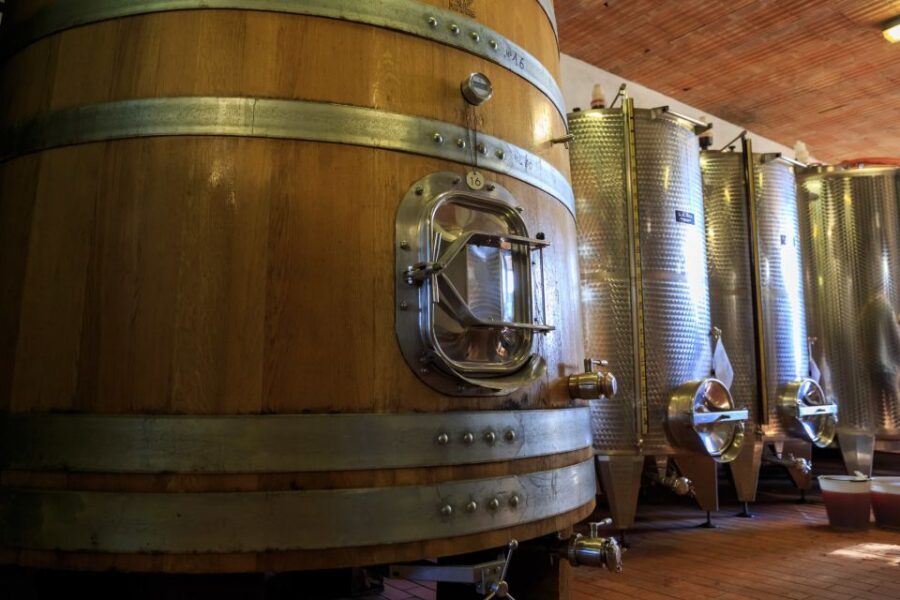
The first real “wow” moment is stepping into the larger wine cellar with stainless steel and cement tanks. This part matters because it shows the modern side of winemaking: controlled fermentation and consistent conditions that help Chianti stay true to its style.
As you tour, focus on the idea of transformation. Tanks are where grape juice becomes wine. You’re seeing the stage of production that’s about turning raw material into a wine base that can later be aged and shaped.
Cellar stop two: the 18th-century barrel room
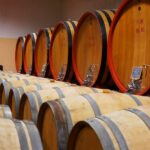
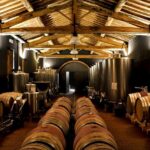
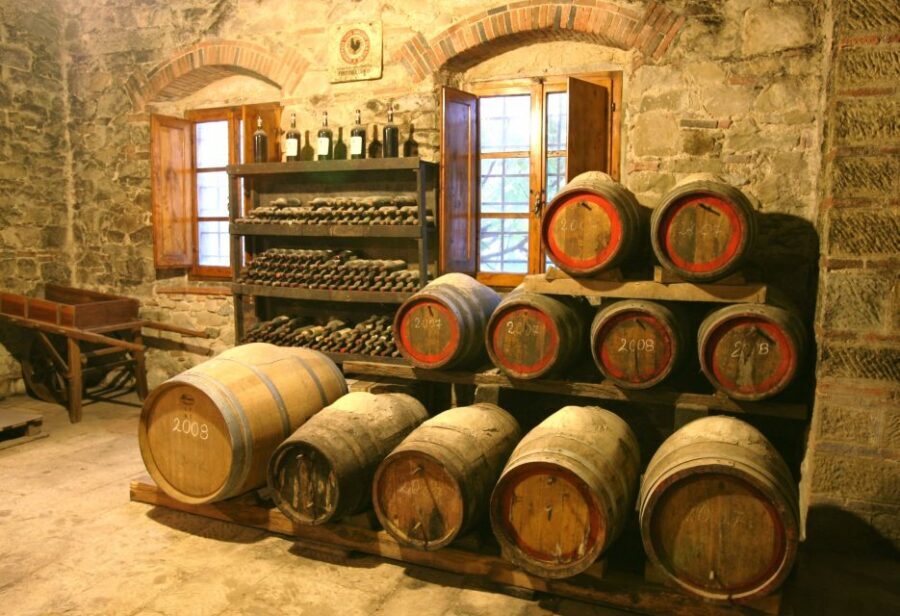
Next comes the smaller, rustic cellar dating back to the 18th century. This is where the large French oak barrels live, and where wine transfers and ages for about six months. That six-month detail isn’t just a timeline—it’s the reason the finished Chianti tends to taste more integrated, with smoother edges and deeper character.
You’ll also see the small barrels used for Vinsanto production. Vinsanto is the amber-colored dessert wine made locally, and the cellar makes it feel like something that belongs to the place, not something imported.
Practical tip: if you’re the type who likes to compare tastes, keep notes on what you notice as the tasting changes from wine to olive oil. The cellar layout helps your brain connect the process to the flavor.
Other Tuscan winery tours we've reviewed in Siena

Orciaia: where extra-virgin olive oil is stored
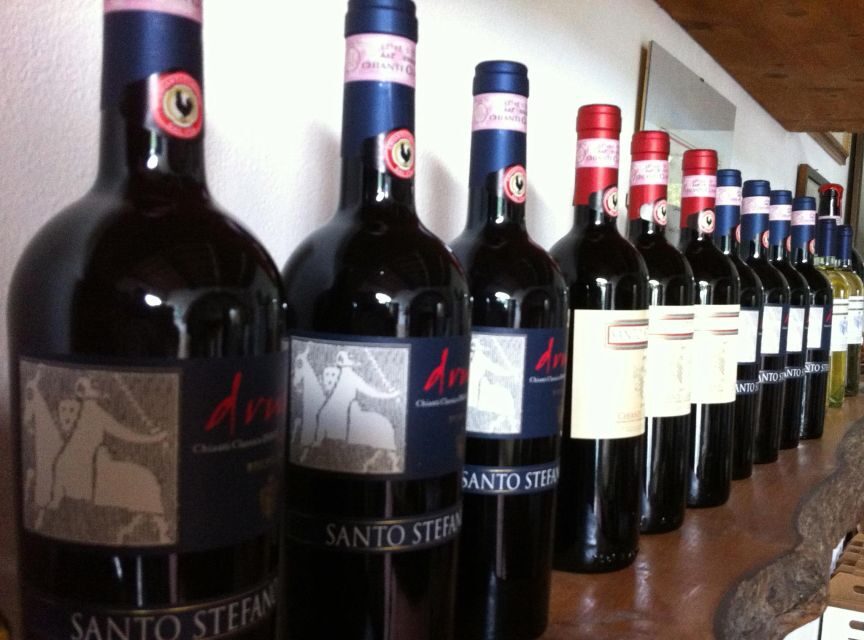
After the wine-focused rooms, the tour shifts to olive oil with a look at the impressive Orciaia. This is where extra-virgin olive oil is stocked directly after harvesting and pressing.
That detail is key: it shows you the immediate post-press stage, when the oil’s character is freshest. Olive oil can change with time and storage conditions, so seeing where it sits (and how it’s handled) gives you a more grounded way to taste it later.
Even if you’re not an olive oil nerd, this is the part that often surprises people. Wine gets the spotlight, but olive oil is its own craft here, tied to the same rhythm of seasonal work.
The small shop tasting: wine, olive oil, and local food
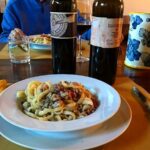
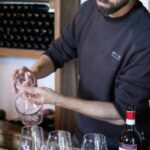
When you return to the small wine shop, the tasting is the payoff. You’ll sample local wine varieties and extra-virgin olive oil, and you’ll also have local food included with the tastings.
I like that the tasting isn’t only about swallowing wine. You get a chance to pair flavors with something to eat, so the experience feels like a meal in miniature. It also makes it easier to tell the difference between what’s in the glass and what’s on your tongue.
How to taste without overthinking it:
- Start with the wine and notice aroma first, not just flavor
- Then switch to olive oil and look for balance—think fruitiness versus bitterness and peppery bite
- Take small bites of the local food between sips so the flavors reset
This is the part where a good guide makes the difference. A live guide in English and Italian helps you ask questions on the fly, and you’ll likely get straightforward explanations that connect production steps to taste.
What makes the value feel right at about $39.86
At $39.86 per person for a 1-hour experience, the value is strongest because you’re getting more than a basic pour-and-go tasting. You’re paying for:
- A guided cellar tour that explains fermentation, aging, and barrel choices
- Wine tasting plus olive oil tasting
- Local food included alongside the samples
- Skip-the-ticket-line convenience
- A private group format that usually feels less rushed and more personal
Yes, it’s not a full afternoon. But that’s also why it’s priced in a way that works for a lot of itineraries. If you’re trying to understand Chianti beyond the souvenir bottle, this gives you a lot of “how it works” in a short window.
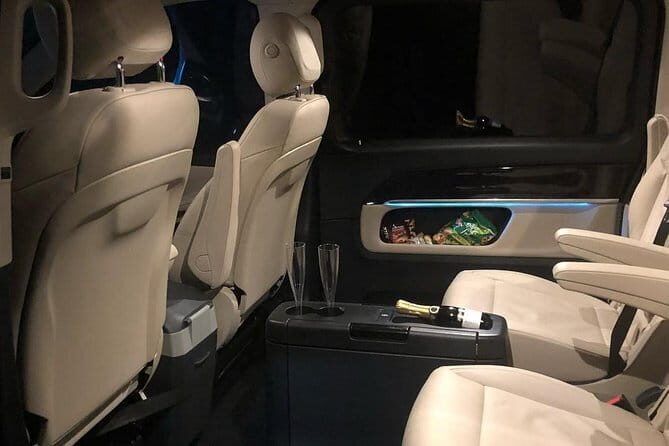
Transportation is not included, but it’s offered as an add-on option. If you’re staying elsewhere in Tuscany and don’t want to mess with driving, that add-on can be worth it. If you’re already close, you can keep the plan simple.
Who this tour suits best (and who should plan differently)
This is a great choice if you:
- Want a hands-on taste of Chianti and olive oil with real production spaces
- Like learning while you walk, not sitting through a lecture
- Prefer a smaller, private feel over crowded tastings
- Are visiting Greve in Chianti and want an easy local activity that ends where it starts
It may not be your best fit if you want:
- A multi-course winery lunch experience
- A long, unstructured wandering session inside multiple estates
- A deeply technical course that lasts several hours
The upside is that you’ll still leave with a solid grasp of the basics, and you can build from there the next day with tastings elsewhere if you want.
Practical tips so you enjoy the cellar parts
Cellars can be cooler and floors can be uneven, so keep it simple:
- Wear comfortable shoes with decent grip
- Bring a light layer if you tend to get cold indoors
- Plan water breaks for later, since wine tasting can add up quickly
Also, because this is a guided and timed format, arrive with a little buffer. You’ll get more out of the tour if you’re not rushing from transportation or parking.
Language is English or Italian through a live tour guide, so if you want to follow closely, you’ll likely be well covered. The private group setup also means your guide can pace to the group’s questions.
Should you book the Chianti and Olive Oil Cellar Tour?
If you want a smart, local, one-hour introduction to how Chianti and extra-virgin olive oil are made, I think you should book it. For the money, you get a real cellar tour plus wine and oil tasting plus local food—built around the working spaces at Fattoria Santo Stefano.
Book this especially if you’re in Greve in Chianti and you’d rather spend your time learning from a guide in the cellars than just buying bottles. Just go in with the right expectation: it’s focused and short, not a long, slow country day. If that fits your style, this is an easy yes.
FAQ
How long is the Chianti and Olive Oil Tasting with Cellar Tour?
The tour lasts about 1 hour.
What does the tour include?
It includes a cellar tour and a wine tasting.
Is transportation included?
No. Transportation is not included, but it may be available as an add-on.
Where does the tour meet?
The meeting point is Fattoria Santo Stefano, Via Collegalle 3, 50022 Greve in Chianti.
Does the tour end at the same place?
Yes, the activity ends back at the meeting point.
Is there a skip-the-ticket-line benefit?
Yes, the tour includes skip the ticket line.
What languages is the tour guide available in?
The live tour guide offers English and Italian.
What should I wear?
Wear comfortable shoes, since you’ll be moving through cellar spaces and historic areas.